
Russia's impact on international order
Russia's Impact on the Fragile Balance of the International Order
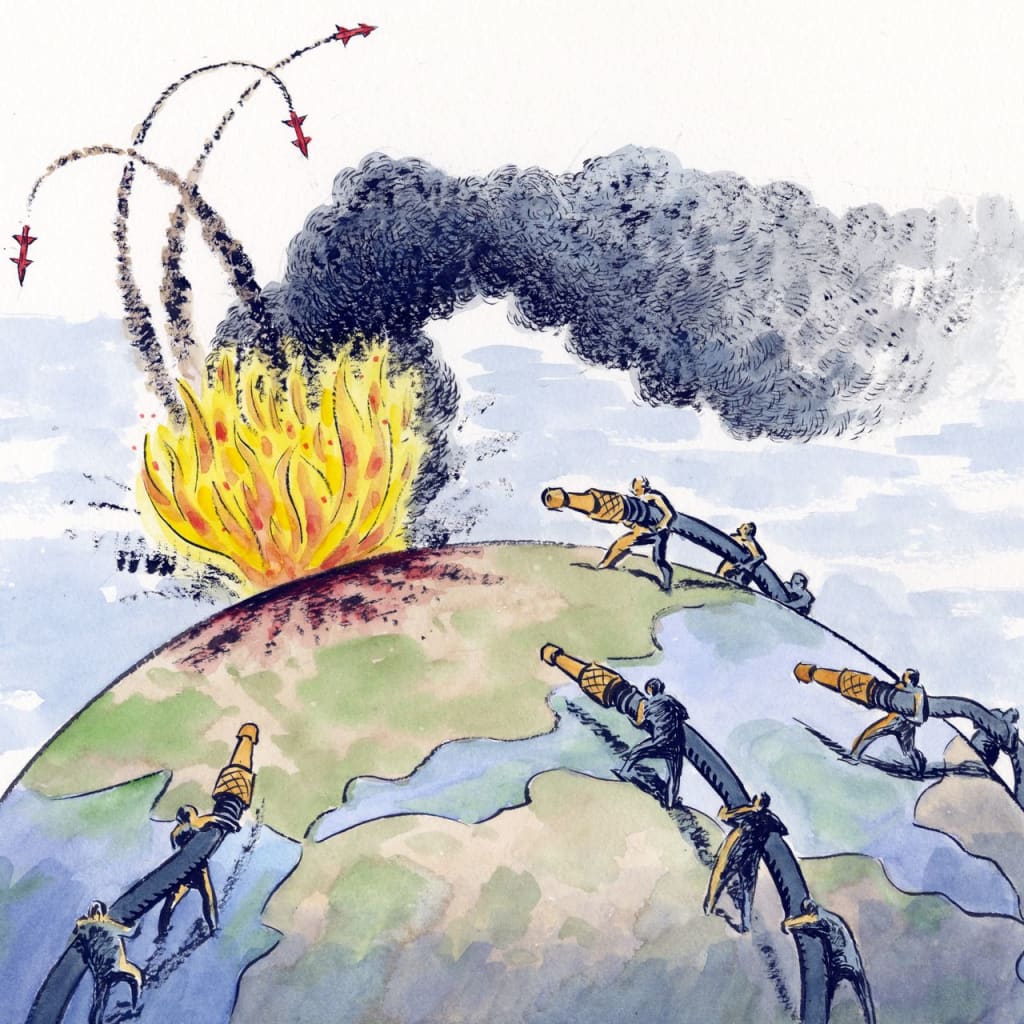
Russia's ongoing war on Ukraine has significant implications for the international order, particularly in Europe. The conflict began in 2014 when Russia annexed Crimea from Ukraine, and has since escalated into a full-blown war, with fighting continuing in eastern Ukraine. The war has not only resulted in a humanitarian crisis but has also raised concerns about the stability of the region and the potential for further conflict.
One of the most significant implications of the conflict is the erosion of the post-Cold War order in Europe. The annexation of Crimea violated international law and the principle of territorial integrity, which has been a cornerstone of the post-World War II order. The annexation has set a dangerous precedent, suggesting that borders can be redrawn by force, and has undermined the credibility of international institutions such as the United Nations and the International Court of Justice.
Furthermore, Russia's actions have challenged the idea of a rules-based international order, which is based on the principles of international law, democracy, and human rights. The war in Ukraine has demonstrated that Russia is willing to use military force to achieve its objectives, which include expanding its territory and influence. This has raised concerns about Russia's intentions and its commitment to international norms and standards.
The war has also highlighted the importance of the transatlantic relationship between Europe and the United States. The conflict has brought Europe and the United States closer together, as they have worked together to support Ukraine and impose sanctions on Russia. However, the conflict has also exposed the limits of European unity and the need for greater cooperation and coordination between European countries.
The conflict has also had a significant impact on the security architecture of Europe. The war has led to an increase in military spending and the deployment of troops in Eastern Europe, which has raised tensions between NATO and Russia. The conflict has also highlighted the need for greater cooperation and dialogue between NATO and Russia to reduce the risk of accidental escalation.
The war in Ukraine has also had a significant humanitarian impact. The conflict has resulted in the displacement of over 1.5 million people, with many fleeing to neighboring countries. The conflict has also resulted in the loss of thousands of lives, including civilians. The humanitarian crisis has highlighted the importance of international cooperation and support for vulnerable populations affected by conflict.
Furthermore, the conflict has raised concerns about the use of hybrid warfare, which combines conventional military tactics with cyber attacks and disinformation campaigns. Russia has been accused of using these tactics in its war on Ukraine, which has raised concerns about the use of similar tactics in other conflicts around the world.
In conclusion, Russia's war on Ukraine has significant implications for the international order, particularly in Europe. The conflict has undermined the post-Cold War order, challenged the rules-based international order, and raised concerns about Russia's intentions and commitment to international norms and standards. The conflict has also highlighted the importance of the transatlantic relationship, the need for greater cooperation and dialogue between NATO and Russia, and the impact of hybrid warfare on modern conflict. The war has had a significant humanitarian impact, and the international community must work together to support vulnerable populations affected by the conflict. Ultimately, a peaceful resolution to the conflict is essential for the stability and security of the region and the world.
About the Creator
The Madness of King Trump
In light of what Trump has done in the wake of his unlawful attack on Venezuela and his unhinged quest to take over Greenland it becomes necessary for the military to refuse any and all orders coming out of the Dept. of Defense and the Trump Administration. Trump has once again proved to the rest of the world his delusions of grandeur have taken over from diplomatic solutions that would improve the quality of life for all populations.
By Dr. Williams7 days ago in Education
Emerging Trends in Hospitality Marketplaces Driving the Next Wave of Growth
Hospitality marketplaces are changing how travel businesses connect with guests. These platforms now shape pricing, visibility, and guest trust. As technology improves and travel habits shift, hospitality marketplaces are becoming more advanced and more selective. Businesses that understand these changes can stay ahead while others struggle to adapt.
By Jason Nissen7 days ago in Education



Comments
There are no comments for this story
Be the first to respond and start the conversation.