
Rooster vs Hen: Key Differences and Roles
Rooster vs Hen

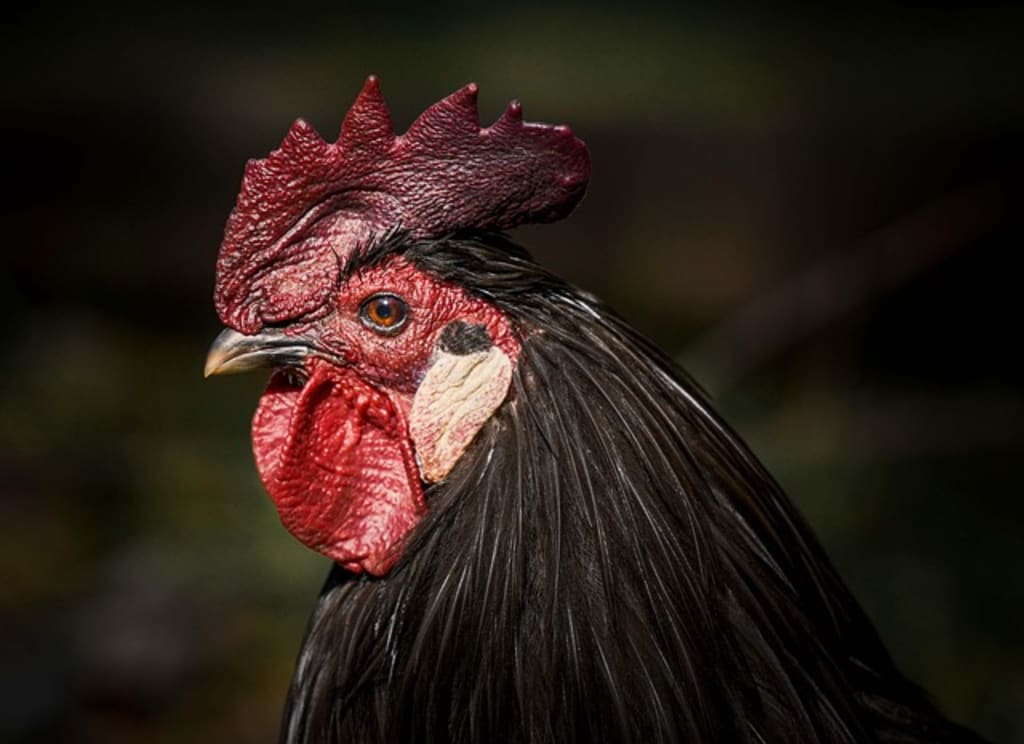
Roosters and hens are the stars of the backyard coop, but what sets these feathered friends apart? Whether you’re a budding farmer, a homesteader, or simply curious about poultry, understanding the differences between roosters and hens is essential. This 2025 guide dives into their unique traits, roles, and contributions, helping you decide which is right for your flock or simply satisfying your curiosity. Let’s explore the rooster vs. hen showdown!
Why Compare Roosters and Hens?
Knowing the distinctions between roosters and hens matters for:
- Flock Management: Balance egg production and flock dynamics.
- Backyard Farming: Choose birds that fit your goals (e.g., eggs vs. protection).
- Animal Welfare: Understand behaviors to provide better care.
- Cultural Interest: Roosters and hens symbolize different qualities in folklore and modern farming.
With urban farming on the rise, this comparison is timelier than ever.
Rooster vs Hen: The Basics
- Hens: Female chickens, known for laying eggs. They’re the backbone of egg production in flocks.
- Roosters: Male chickens, recognized for their crowing and protective instincts. They don’t lay eggs but play other vital roles.
Below, we break down their differences across key categories.
Physical Differences
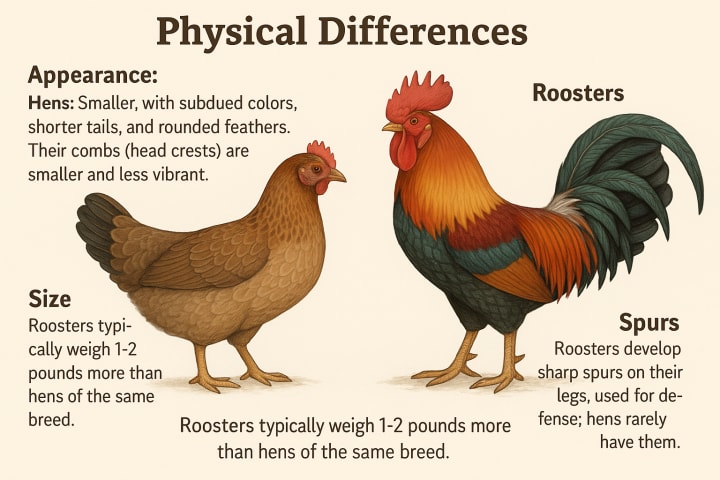
Appearance:
- Hens: Smaller, with subdued colors, shorter tails, and rounded feathers. Their combs (head crests) are smaller and less vibrant.
- Roosters: Larger, with bright, flashy plumage, long flowing tails, and prominent, red combs and wattles.
- Size: Roosters typically weigh 1-2 pounds more than hens of the same breed.
- Spurs: Roosters develop sharp spurs on their legs, used for defense; hens rarely have them.
Behavioral Differences
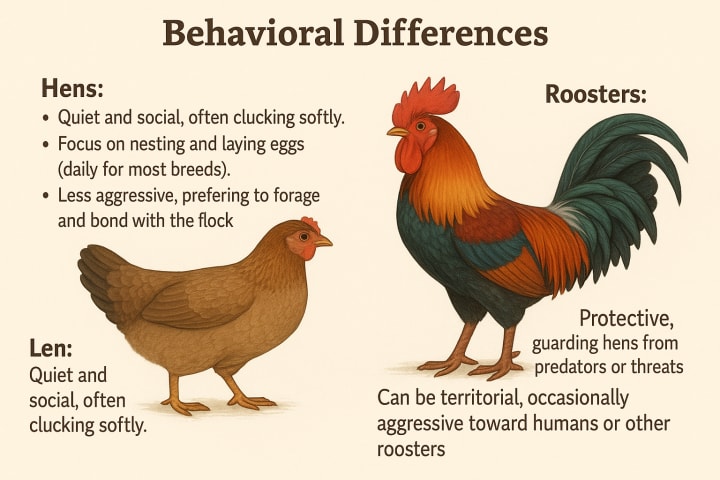
Hens:
- Quiet and social, often clucking softly.
- Focus on nesting and laying eggs (daily for most breeds).
- Less aggressive, preferring to forage and bond with the flock.
Roosters:
- Vocal, with loud crowing (often at dawn but throughout the day).
- Protective, guarding hens from predators or threats.
- Can be territorial, occasionally aggressive toward humans or other roosters.
Roles in the Flock
Hens:
- Egg Production: Lay 200-300 eggs per year, depending on breed and conditions.
- Nurturing: Some hens go “broody,” sitting on eggs to hatch chicks.
- Essential for sustainable egg supply in backyard or commercial farms.
Roosters:
- Protection: Alert the flock to danger and may confront predators.
- Fertilization: Needed to produce fertilized eggs for hatching chicks.
- Flock Leader: Maintain order, guiding hens to food or safety.

Practical Considerations
Hens:
- Ideal for egg-focused flocks; no roosters needed for unfertilized eggs.
- Quieter, making them better for urban or suburban settings.
- Lower feed costs due to smaller size.
Roosters:
- Necessary for breeding if you want chicks.
- Crowing can disturb neighbors (check local noise ordinances).
- May require extra space to manage territorial behavior.
Which Is Right for You?
- Choose Hens If: You want eggs, live in a noise-sensitive area, or prefer a low-maintenance flock.
- Choose Roosters If: You’re breeding chickens, need flock protection, or enjoy their vibrant presence (and don’t mind crowing).
- Mix Both: A balanced flock (e.g., one rooster per 8-12 hens) supports breeding and harmony, but monitor aggression.
Tips for Managing Roosters and Hens
- Space: Provide at least 4 square feet per bird in the coop to reduce stress.
- Health Checks: Monitor combs and feathers for signs of illness (e.g., pale combs).
- Social Dynamics: Introduce new birds gradually to avoid pecking.
- Local Laws: Check zoning rules for rooster limits in urban areas.
- Enrichment: Offer perches and dust baths to keep both happy.
Common Questions
- Do hens need a rooster to lay eggs? No, hens lay unfertilized eggs without a rooster.
- Are roosters always aggressive? Not always, but some breeds (e.g., Rhode Island Red) are more territorial. Training and space help.
- How loud is crowing? Rooster crows can reach 90 decibels, similar to a lawnmower.
Why This Matters
As sustainable living grows, roosters and hens play key roles in food security and eco-friendly farming. Understanding their differences helps you build a thriving flock or appreciate their cultural significance. Whether for eggs, chicks, or charm, these birds are backyard superstars.
Conclusion
Roosters and hens each bring unique flair to the flock—hens with their egg-laying prowess and roosters with their bold protection. By knowing their differences, you can make informed choices for your farm or simply enjoy their quirky charm. Ready to dive into poultry? Start exploring the rooster vs. hen world today!
Call to Action: Have a favorite chicken breed or tip? Share your thoughts in the comments or check out more farming guides!
About the Creator
Sadique Mannan
Sadique Mannan, founder of BeingOptimist. Passionate about tech, travel, and learning. Sharing insights and expertise on technology, education, and product reviews to help others thrive in the digital world.
Keep reading
More stories from Sadique Mannan and writers in Education and other communities.
Can You Unsend a Message on Instagram
Instagram’s direct messaging (DM) feature is a powerful tool for connecting with followers, friends, or brands, but what happens if you send a message you regret? Can you unsend a message on Instagram? Yes, Instagram allows you to unsend messages, removing them from both your chat and the recipient’s inbox. This article explains how to unsend messages, limitations, and best practices for managing DMs, while ensuring your Instagram experience remains secure and engaging. For more Instagram tips, explore why you might not be able to go live (Why Can’t I Go Live on Instagram?) or how to protect your content (Can People Steal Your Posts on Instagram?).
By Sadique Mannan9 months ago in Education
A brief history of chess
The attacking infantry advances steadily, their elephants already having broken the defensive line. The king tries to retreat, but enemy cavalry flanks him from the rear. Escape is impossible. But this isn’t a real war– nor is it just a game. Over the roughly one-and-a-half millennia of its existence, chess has been known as a tool of military strategy, a metaphor for human affairs, and a benchmark of genius. While our earliest records of chess are in the 7th century, legend tells that the game’s origins lie a century earlier.
By Munesh Yadavabout an hour ago in Education
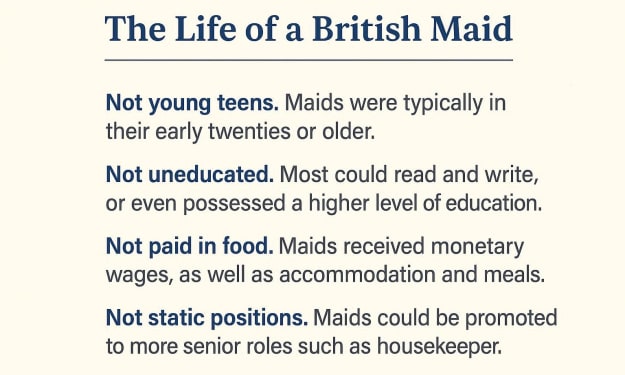
The life of a british maid
It's just before dawn on a Saturday in summer 1906, and 16-year-old Alice Sutton’s mind is already spinning— tonight’s plans could cost her her job. But for now, there's work to do. Alice gets ready slowly, thinking about how her life has changed. Only a week ago, she was the lone servant in a modest home. Now she’s an under-housemaid at Wroxton Abbey in Oxfordshire, England, the grand estate of Sir John and Lady Ann Ashby-Blythe. As one of the lower-ranking indoor servants, she reports to the housemaids
By Munesh Yadavabout 3 hours ago in Education


Comments
There are no comments for this story
Be the first to respond and start the conversation.