
Role And Value Of The Marketing Audit In Glaxosmithkline And Its Sustainability Process
Marketing

Executive Summary:
The marketing audit systemically evaluates and also analyzes the activities of the company and plays an important role in Glaxo Smith Kline GSK. Thus helps in ensuring alignment with the objectives of the country and also ensures that the company is responding to the dynamic nature of the market. GSK fosters long term viability by responsibly inducing sustainability practices and show commitment. This audit helps GSK to identify its weaknesses and improve its efficiency by enabling informed decision making. This approach acts as a booster for GSK in the market and it also fosters a sense of sustained success in the company and aligns its overall goals. GSK is currently working in a competitive environment. Due to the large variety of pharmaceutics and healthcare services, it is challenging for GSK to have a regulatory compliance with the ever changing demands of the customers. The company has a sense of responsibility towards the environment and its commitment to improve the global health standards is evident.
Introduction:
This report highlights the importance of filling the gaps found by conducting an extensive marketing audit for GSK. A brief description of GSK ‘s background explains the business setting and confirms the importance of the audit. The chosen frames to be analyzed are identified along with an examination of their efficiency and limitations. This marketing audit examines the marketing strategies and capabilities adopted by Glaxo Smith Kline (GSK) considering both micro and macro environmental factors (Aldawan et al., 2023). The research also explores the business strategy and organizational culture, providing valuable ideas to ensure continuous growth. There are several challenges faced by companies like Glaxo Smith Kline in the pharmaceutical industry (Wei, 2021). It is challenging for them to adapt different strategies for marketing in order to succeed. The marketing audit provides the company with a comprehensive insight of the marketing acts of the company. this process enhances the practices of sustenance in GSK moreover it also ensures the alignment of strategies with business goals. This essay informs us about the important role of marketing audit in GSK.
Background Details:
The dynamic nature of the pharmaceutical industry demands having a comprehensive and detailed marketing audit. Due to rapid advancements in technology and the changing behaviors of the customers make it necessary for GSK to evaluate its marketing strategies thoroughly (Alkaraan et al., 2023). In order to maintain its competitiveness, the company has make adjustments in strategies and fill the gap between marketing practices and alignments with company goals. This marketing audit uses a multi-faceted approach and analyzes various factors enabling the company to adapt various strategic approaches to enhance itself. The Corporate Social Responsibility CSR framework evaluates the sustainability it also ensures the practice of ethics in business. These frameworks also have some limitations. Such audits do cover most of the sections and provide detailed insights of them but it may not cover all the factors in the vast pharmaceutical industry (Barron, 2023). Moreover, these insights are only for the time the data is gathered and analyzed they do not provide sustained approaches of future so it is important to provide regular updates . So that the limitations can be addressed and the marketing audit can be utilized appropriately.
Key Findings - Marketing Audit:
While the micro environmental assessment covers industry specific difficulties, the macro environmental factors expose the factors impacting GSK. The paper makes assumptions about the organizational culture and explains its effects after providing a critical review of GSK's present marketing strategy and capabilities.
The task at hand involves conducting a comprehensive marketing audit for GlaxoSmithKline (GSK) to analyze and evaluate the effectiveness of its marketing strategies (Besile et al., 2023). This entails understanding the current market dynamics, identifying areas for improvement, and aligning marketing efforts with the overarching business objectives. Additionally, the audit aims to assess GSK's sustainability practices within its marketing strategies, emphasizing the integration of responsible and ethical considerations.
Key Macro-Environmental Factors for GSK:
GSK operates in a highly organized sector where medicinal product have to follow strict regulations. Regulation changes may have an effect on marketing, sales, and product development plans (Marshall et al., 2023).

Regulatory Environment:
GSK like all other pharmaceutical companies has to abide by the drug laws and regulations about testing and development of drug. The company has to collaborate with global regulatory bodies for this purpose. GSK should use GMP regulations while formulating and developing drugs. Strict quality control measures should be taken (Marshall et al., 2023). GSK has to conduct clinical trials before launching any drug. These trials are in accordance with the international regulations. The drug has to be approved from the regulatory agencies before it is manufactured in bulk and is launched in market for use. Moreover, Tariq et al. (2018), studied that GSK's business is impacted by healthcare spending trends and economic swings. Economic downturns may have an impact on healthcare spending and consumer purchasing power, which could affect the demand for medications. In the global pharmaceutical industry, GSK is operating and is influenced by various economic factors. Macroeconomic conditions largely effect the financial conditions of the company and its performance too. This macroeconomics include changes in the exchange rates, fluctuating rates of understand economic stability and all these effect GSK. So, the Smith et al. (2023), indicated that the purchasing power and spending habits on health care of the consumers largely effect the revenue of the company. Moreover it is important for GSK to invest in research and development tin the production of new products. Tis aspect is controlled by the financial conditions of the investor. The strategic decision making and financial performance of GSK is effected by the overall economic environment.
Technical Development:
GSK's product development and production processes may be affected by the quick development of technology, particularly in the fields of pharmaceutical and healthcare. This means that the company must constantly change to remain competitive (Wei, 2021). GSK integrates many sciences and aspects like biotechnology. These also include the genomics, so that they can effectively identify potential drug targets. The various aspects of biopharmaceutics are explored by the company. These advancements include monoclonal antibodies, innovative vaccine technology(Hugle and Grek, 2023). The company aims to address different global disease and health challenges. GSK integrate advanced technologies like automation, regular monitoring, manufacturing continuously.
Global Health Trends:
The changes in the occurrence of chronic diseases or infections may affect the need for specific medicines and also impact the reputation of the company in the market. The global trends and dynamics effect the workability of GSK (Sing et al., 2023). The company keeps striving to address various health challenges that are prevailing globally. The vast spread of non-communicable diseases (NCDs) like respiratory diseases and cardiovascular disorders and diabetes too. GSK also focuses on a significant aspect of disease prevention and vaccination. The company tries its best to produce and develop such medicines that are used in disease prevention (Nandy, 2023). Moreover, the distribution in addition to development of vaccines is a contributing factor in the commitment of GSK in elimination of global health issues.
Social Factors
many factors like social health views, changed preferences of consumers and an elevated understanding of environmental stability can affect the marketing strategy of GSK. GSK has to face a wide range of social issues in the pharmaceutical industry (Grimm et al., 2023). In this era the need of pharmaceutical items is increasing due to the better understanding of people about health standards and environmental wellbeing. This has largely shifted the trends of global societies.
GSK is one of the top most pharmaceutical companies and is operating to treat common health problems by promoting and developing medications to meet the needs of public. Due to increased awareness general public the demand for CSR and ethical practices in business is increased (Grassano et al., 2021). Using fair advertising strategies and selling drugs at affordable prices are the two examples of ethical considerations of GSK.
Key Micro-Environmental Factors for GSK:
The specific factors and forces that greatly impact the operations of company, their ability to interact with customers and to achieve its goals are known as Micro-environmental factors (Tariq et al., 2023). Many significant micro environmental factors greatly affect the business environment of GSK.
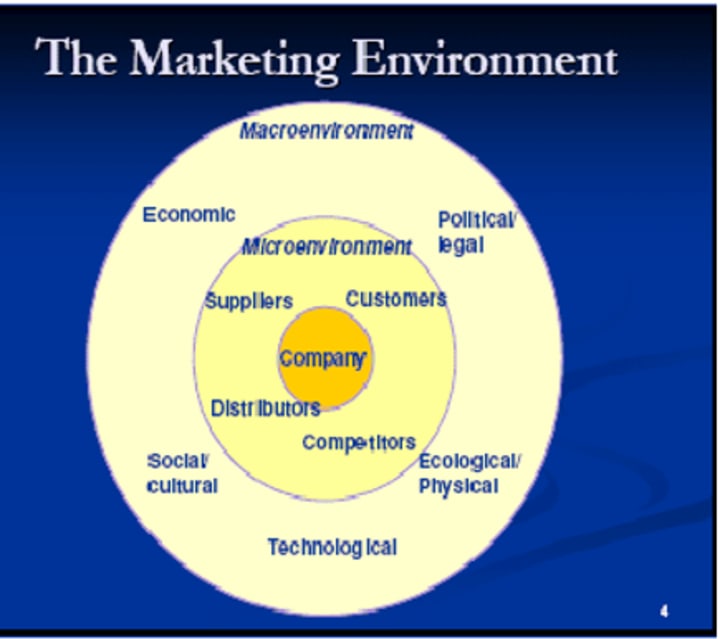
Figure: Marketing Environment Analysis (Sing et al., 2023)
Internal Culture and Employees:
There is great competition for GSK in the market due to small businesses and international competitors. In order to maintain the competitiveness of GSK there should be a thorough understanding of the strategies that the competitors use. The operating environment of GSK as a pharmaceutical company is very competitive. This competition can be found among the small biotech startups and greater pharmaceutical companies for the market shares so GSK must keep in view the strategies used by the competitors to maintain its status (Bell et al.2023).
GSK's capacity to develop, produce goods effectively, and introduce new ones to the market is affected by its relations with suppliers and its important partnerships with academic institutions and other pharmaceutical businesses (Basu, 2023). Important micro-environmental elements are the connections GSK has with its suppliers and the efficiency of its supply chain. High-quality raw material availability, timely delivery, and efficient supply chain management affect GSK's ability to produce and sell its pharmaceutical products internationally (Narsing et al., 2023). Problems in the supply chain can have a major impact on production and, in turn, the financial performance of the organization.
Maintaining Relationship with Stakeholders
The connection of GSK with other pharmacies and health care providers can effect the market share and sales. GSK should have a thorough understanding the diversity of basic customers this understanding also includes health care providers, patients and donors too (Morsing et al., 2021). For long term success GSK has to take initiatives like improving the ability to develop medications that will meet the medical demands that are unaddressed. Moreover, this can be done by maintaining good relations with the skate holders that include regulatory bodies and investors.

Figure: Stakeholders Analysis (Salteil and Finnefrock, 2018)
Distribution Networks
According to Sevilla et al. (2023), the efficacy and reach distribution networks of GSK, which include wholesalers and retailers, have an impact on accessibility of the product and market penetration. overall success of GSK is greatly dependent on its relationships with other businesses, organizations, and research facilities. According to Obi and Okeye (2018), these relationships may also affect the access of the company to new markets, research resources and technical advancements., GSK can take advantage of external benefits and resources by collaborating with other firms.
Internal Stakeholders
The skills, determination, and engagement of employees with objectives of the company are important factors that impact the marketing performance of GSK. The abilities, motivation, and job happiness of the staff as well as the organizational culture of the company are important micro-environmental factors (Dos Santos et al., 2023). Creative thinking, productivity, and creativity are encouraged in a positive work environment. skilled and motivated workers are required for operations in manufacturing, sales, and research & development.
In conclusion, micro-environment of GSK is shaped by a variety of factors, such as relationships with the supplier, interactions with the customers, partnerships, linkages of regulation, and company culture (Doni et al., 2018). The ability of the company to effectively handle and deal with these problems is important for its success in the pharmaceutical industry.
Key Factors from Internal Analysis - GSK's Current Marketing Strategy and Capability:
Product Portfolio: An analysis of current product collection of GSK and also by taking into consideration market share, chances of growth or reduction, and checking the versatility of the product can enhance the product portfolio.
Brand Perception: Examining how the market views brands of GSK in terms of brand equity, brand loyalty, and possibilities for brand development.
Research and Innovation: Analyzing dedication of GSK to R&D, creativity in product offers, and utilization of modern technologies in their medications.
Market segmentation and targeting: Examining approaches of GSK to divide the market into specific segments and focusing on specific customers to ensure they are operating according to changing consumer needs.
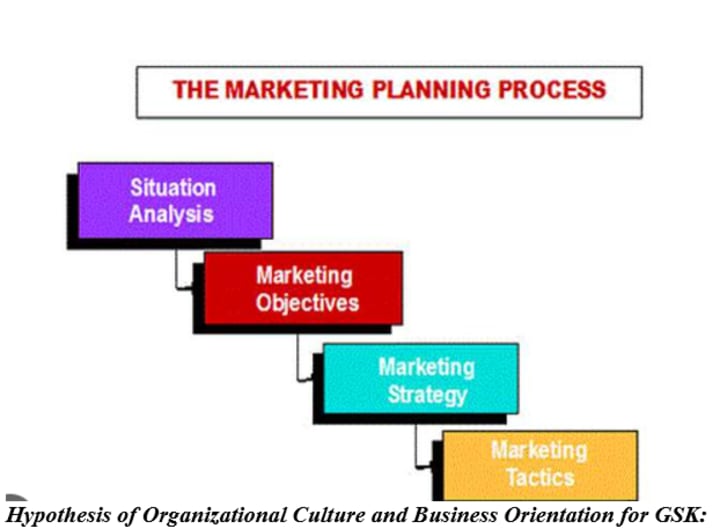
Hypothesis: GSK should have a creative business approach and should apply a strategy of business that is based on moral principles.
Evidence
1. Research and Development Focus: GSK emphasizes the research and development and it is evident as is seen by various pharmaceutical products in the market.
2. Sustainability initiatives: GSK is involved in a responsible business approach that enables it to develop sustainability projects. These projects can reduce the impact of environment and can improve the accessibility of medicine in the developing countries (Kumar and Kumar, 2019).
Ramifications
1. Positive Brand Image: GSK can improve customer loyalty and also improve the brand image by integrating ecofriendly and innovative approaches.
2. Market Leadership: By encouraging sustainability and innovation GSK can improve its position and meet the changing demands of the customers and their needs.
Risk Mitigation:
The risks related to public perception and legal compliance can be avoided by developing moral principles and using techniques that are environment friendly this will protect the long-term success of GSK (Katsanis et al., 2023).
Strategic Choice(s) – Grounded by the Marketing Audit:
This sector examines the strategic decisions of GSK according to the audit. It is followed by though examination of the marketing of GSK that considers the internal analysis, culture, micro and macro environmental problems of GSK (Ji, 2019). To prepare GSK for long-term success in the pharmaceutical industry the following methods that align with modern concepts of marketing and insights of industry are suggested.

Figure: Marketing Audit of GSK (Ji, 2019)
Product Portfolio Optimization:
GSK should analyze the range of its product in the light of demand of market and competitors. The company can improve the product portfolio buy using the audit. GSK can focus on investing on better projects of R&D and can expand its medicine sector and also by selling the companies that are ineffective (Nwokike, 2023). To be competitive and to meet the changing demands of the consumers GSK has to align its product range with the developments of market. GSK can enhance its productivity and can achieve its long-term goal by investing on high potential products (Kaur and Soloman, 2023).
By carefully selecting the products it offers, GSK may gain a competitive edge and establish itself as a leader in the field.
Digital Marketing Transformation:
GSK needs to implement a digital marketing transformation in response to evolving consumer behaviors and advances in technology. The audit states that digital channels are becoming more and more important for connecting with end users and healthcare professionals (Matsuno et al., 2023). GSK may improve its market presence by putting into practice a comprehensive digital marketing plan that includes tell-medicine partnerships, online education, and targeted online advertising. To effectively engage with consumers, having a website is important considering the development of online information-seeking and healthcare services (Naqvi and Das, 2023). GSK collects valuable data through the use of digital channels, which improves informed decision-making. Keeping in connection GSK's global footprint, digital marketing offers a reasonable way to reach an international audience. For implementation of digital marketing and its transformations a detailed integration of technology, talent and processes is required (Malay, 2021). GSK has to invest in various training programs, data analytic abilities so that it can ensure continuous monitoring of the performances of individuals and organization as well.
Sustainable and Ethical Marketing Practices:
To improve its current sustainability dedication, GSK needs to implement ethical and sustainable marketing strategies into its overall plan. This covers open communication regarding the origins of products, moral production methods, and environment-friendly projects (Tariq et al., 2023). The audit emphasizes how crucial corporate social responsibility is and how implementing sustainable practices may enhance GSK's reputation. Having transparent communications and practicing ethics builds trust in costumes and increases customer loyalty. It also improves brand image. The company should have a proactive approach to compliance and strict regulations about the ethical marketing. Having a contemporary marketing theory and sustainability enables the company to have long term business viability and has a positive impact on the society (Wei, 2021). It is essential for the employees working at GSK to complete their training which gives them an understanding about the company's expectations and objectives.
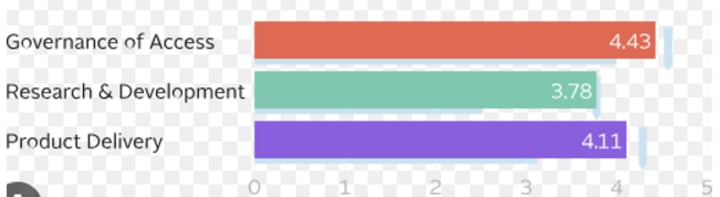
Figure: Sustainability practice of GSK (Wei, 2021)
People working at GSK also receive an additional training to deal with anti-bribery and corruption (ABAC) issues. This aids in the recognition, reporting, and management of conflicts of interest and also in the identification and reduction of any possible ABAC risk, particularly in third-party connections (McGoran et al., 2023). Annual conduct training is necessary for the employees, outlining the zero-tolerance policy offered by the company for harassment in any form and providing guidance on accessible help and advice. Any person working at GSK or not can utilize the company’s integrity lines can talk about concerns or communicate with a neutral third-party without any fear of facing consequences (Bell et al., 2023). The company examines every report to see whether an official inquiry is necessary and considers all concerns very seriously. The company will take appropriate action if the investigations indicate an employee has violated its policies.
. GSK must follow the ethical considerations while marketing and marketing campaigns. There should be clear communication between the consumers and suppliers, employees should be trained properly in this regard (Basu, 2021). Adherence to ethical marketing ways should be ensured. To apply collaborative partnerships taking steps like developing a dedicated innovation team, acknowledging the potential partners and making agreements is required. The following steps like reviewing the projects, evaluating milestones, and examining the effect of collaborations on the GSK is involved in the control mechanisms (Ob and Okeye, 2023). The success of implementation depends on having effective communication, engagement of the stakeholder and having efficient approach to overcome challenges. Getting constant latest updates and having transparent communication is the key. Moreover, having a flexible approach can help GSK to deal with unprecedented problems.
Strategy Implementation and Control:
The report informs about the insights of marketing plans and overall process of the company. It includes all the aspects of a chosen strategy. For the selected strategies of GSK to be successful an effective implementation is required (Grassano et al., 2021). It is important for every strategy to have a well-structured approach that correctly streamlines with the overall objectives of the company and also having flexibility to adapt to evolving changes of market. There should be a phased approach involved in implementation. These approaches start from comprehensive assessment of performances of the products, market potential and their con currency with the strategic objectives (Sevilla et al., 2018). GSK should establish a team for this purpose that can perform regular monitoring.
Collaborative Innovation Partnerships:
GSK should use the strategic partnership with different research center and biotech companies in order to improve its capabilities in research and development. This audit shows the importance of bringing innovation in the operations (. Moreover, having collaborations can help GSK to have access to technological advancements. Collaborations will help GSK to handle the innovations more accurately and with expertise which will line turn accelerate the drug development. Having shared resources can help to reduce the threats that are related to the R& D projects that have high costs (Nwokike, 2023)Moreover, these collaborations also enable GSK to integrate diversification in its portfolio and also decreases their dependance on internal abilities.
GSK can improve its position and sustain its success by following strategies that include optimization of the product portfolio, keeping up with the digital transformations and adopting innovations these steps enable GSK to meet the customer demands and provide the best health care (Said et al., 2019). GSK has extensive and complex supply chains The business significantly requires strong relationships with suppliers and other important third parties. Effective collaboration with people who share GSK’s values and manage themselves in an ethical and responsible manner are also crucial (Doni et al., 2019).The company may not be able to accomplish its priorities if third-party suppliers behave badly. It is critical to properly manage the connections with these parties, including their selection, hiring, and management.
Controlling the conditions under which products are transported is just as important as choosing suppliers that can guarantee an uninterrupted supply of materials of the right grade (Smith ad Jarisch, 2018). Because changing suppliers may be difficult, time-consuming, and costly, especially when it comes to those who are included in a regulatory dossier, maintaining strong supply chains is crucial. The company's Third-Party Risk Management (TPRM) project examines and reduces the risks associated with hiring other parties to supply GSK with goods or services (Alkaraan et al., 2023). The company finishes its evaluation for the portion of the affiliated third parties that might present a higher risk, such as contacts with officials or annual value transfers exceeding specific set limits
To help suppliers better understand and manage their risks, the company makes both physical and virtual site visits. Both independent third-party auditing agencies that have been certified and GSK conduct these site visits. The business also uses EcoVadis desktop assessments and other tools to evaluate how suppliers handle EHS risks (Eun et al.,2023). As part of its internal EHS management and control, the company establishes EHS requirements for suppliers, informs them when they fall short, analyzes their EHS performance, and helps them put their action plans into effect. The company primarily focuses on Active Pharmaceutical Ingredients (API) manufacturers and contract manufacturing suppliers, but it also supports suppliers to improve safety and overall efficiency (Alavijeh et al., 2023). Additionally, the business modified EHS contractual responsibilities, provided suppliers with EHS training, and monitored management actions until they were finished.
Tools to Support Implementation and Control:
Key Performance Indicators (KPIs):
The establishment of KPIs like the growth in revenue and market share helps in the optimization of the product portfolio.
KPIs like website traffic, conversion rates, and social media engagement metrics serve as benchmarks for assessing the effectiveness of GSK's digital marketing initiatives. KPIs provide a road map that enables accurate measurement of progress and the regular monitoring also enables the company to make adjustments in its strategies on time, which also align with its goals (Katsansis et al., 2023).
Balanced Scorecard
Evaluating a scorecard and adherence to ethical considerations, sustainability of the supplier and the impact of community can act as a control tool. Assessing the ethical and sustainability practices of innovation partners ensures alignment with GSK's values (Hugle and Grek, 2023). The assessment of the sustainability and ethical practices of innovative partners ensures the streamlining with the values of GSK.
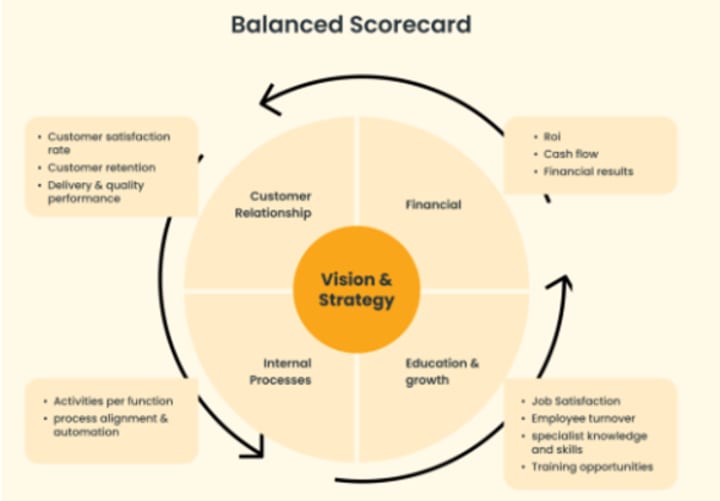
Figure: Balanced Scorecard (Hugle and Grek, 2023)
A scorecard gives an overview of the ethical performance of the company. Moreover, the regular assessments also result in accountability and improvement. Implementation and control are two major aspects that are used in the marketing strategy of GSK (Kaur and Soloman, 2023). The accurate utilization of the KPIs in strategies like the usage of performance scorecard. These can help GSK to ensure the workability of its plans as well as ensuring the regular monitoring of these strategies and plan implementation.
Conclusion:
To conclude, these findings of the marketing audit provide GSK with the insights of the effect of various marketing strategies it also acts a s a roadmap for GSK to thrive in the dynamic sector pf pharmaceutics efficiently. the optimization of the product portfolio perfectly streamlines with the trends of market and push the company towards constant growth. GSK can improve its competition and also produce quick response to dynamic needs of the customers by divesting the assets that are no functional and spend on the areas that are of prime importance.
The strategy of digital transformation provides the company with information about the growing importance of online platforms in health sector. GSK can effectively connect with the healthcare consumers and professionals by implementing digital steps like online education, advertising in targeting manner. This strategy enables GSK to remain at front desk in digital pathway. Using steps and considering the ethical aspects while providing services is very important for GSK. It will help to improve the brand image and enhance the company. It is important to build trust with the consumers in the pharmaceutical industry and adhering to the transparent communications and practicing ethical morals is crucial.
The strategies that are proposed are not only a contributing factor to the present development of the company but also enable it to develop future strategies for GSK. The company can effectively use these strategies to bring innovation, adapt to the changing trends and enhance its competitiveness. By the effective implementation of these strategies and appropriate control, GSK can thrive and can efficiently face challenges. It can also grab upcoming opportunities and it will result in its sustainability in the industry of pharmaceutics.
References
Aladwan, M.S., Almaharmeh, M. and Samara, H., 2023. Modeling and mediating the interaction between oil prices and economic sectors advancement: the case of Middle East. International Journal of Energy Economics and Policy, 13(2), pp.51-60.
Alkaraan, F., Elmarzouky, M., Hussainey, K. and Venkatesh, V.G., 2023. Sustainable strategic investment decision-making practices in UK companies: the influence of governance mechanisms on synergy between industry 4.0 and circular economy. Technological Forecasting and Social Change, 187, p.122187.
Alavijeh, M., Black, D. and Macdonald, G., 2023. Innovative new pharma and biotech partnerships: How is the landscape transforming? Highlights from the Society for Medicines Research Conference. Stevenage-July 7, 2022. Drugs of the Future, 48(2).
Barron, A., 2023. Opening up corporate political strategizing–An institutional work approach. Long Range Planning, 56(3), p.102329.
Basile, A., Zampieri, G., Kovalovszki, A., Karkaria, B., Treu, L., Patil, K.R. and Campanaro, S., 2023. Modelling of microbial interactions in anaerobic digestion: From black to glass box. Current Opinion in Microbiology, 75, p.102363.
Basu, R., 2023. Managing Global Supply Chains: Contemporary Global Challenges in Supply Chain Management. Taylor & Francis.
Bell, G.J., Loop, M.S., Mvalo, T., Juliano, J.J., Mofolo, I., Kamthunzi, P., Tegha, G., Lievens, M., Bailey, J., Emch, M. and Hoffman, I., 2020. Environmental modifiers of RTS, S/AS01 malaria vaccine efficacy in Lilongwe, Malawi. BMC Public Health, 20(1), pp.1-11.
Doni, F., Larsen, M., Bianchi Martini, S. and Corvino, A., 2019. Exploring integrated reporting in the banking industry: the multiple capitals approach. Journal of Intellectual Capital, 20(1), pp.165-188.
Dos Santos, G., Yeakey, A., Shende, V., Smith, K., Lin, F., Zandman-van-Dijk, E., Damaso, S. and Schmidt, A., 2019. Passive enhanced safety surveillance of GSK’s quadrivalent seasonal influenza vaccine in Belgium, Germany and Spain, an observational study: protocol for the 2018/2019 influenza season. BMJ open, 9(8), p.e028043.
Eun, B.W., Bahar, E., Xavier, S., Kim, H. and Borys, D., 2023. Post-marketing surveillance study of the safety of the HPV-16/18 vaccine in Korea (2017–2021). Human Vaccines & Immunotherapeutics, 19(1), p.2184756.
Grassano, N., Hernandez Guevara, H., Fako, P., Tuebke, A., Amoroso, S., Georgakaki, A., Napolitano, L., Pasimeni, F., Rentocchini, F., Compano, R. and Fatica, S., 2021. The 2021 EU Industrial R&D Investment Scoreboard. EUR.
Grimm, M., Schuette, M., Lockard, T., Boudreau, C. and Goff, K., 2023. Strategic Audit Report Pfizer–Brand-Name Pharmaceutical Manufacturing (US).
Hügle, T. and Grek, V., 2023. Digital transformation of an academic hospital department: A case study on strategic planning using the balanced scorecard. PLOS digital health, 2(11), p.e0000385.
Ji, X., 2021. Equity research: GlaxoSmithKline overview and valuation (Doctoral dissertation).
Katsanis, L.P., Williams, A. and Srirangan, K., 2023. Is your company competent, interpersonal or community focused? The effect of values and brand portfolio on company reputation. International Journal of Pharmaceutical and Healthcare Marketing, 17(4), pp.585-608.
Kumar, B.R. and Kumar, B.R., 2019. GlaxoSmithKline Merger. Wealth Creation in the World’s Largest Mergers and Acquisitions: Integrated Case Studies, pp.137-145.
Kaur, T. and Solomon, P., 2023. Assessment of the mediating effect of benchmarking workspace usage on portfolio optimization and client satisfaction: Indian information technology companies. Benchmarking: An International Journal, 30(2), pp.562-584.
Ma, Q., Yu, J., Zhang, X., Wu, X. and Deng, G., 2023. Wnt/β-catenin signaling pathway-a versatile player in apoptosis and autophagy. Biochimie.
Marshall, G.S., Abbing-Karahagopian, V., Marshall, H.S., Cenci, S., Conway, J.H., Occhipinti, E., Bekkat-Berkani, R., Banzhoff, A. and Sohn, W.Y., 2023. A comprehensive review of clinical and real-world safety data for the four-component serogroup B meningococcal vaccine (4CMenB). Expert Review of Vaccines, (just-accepted).
Malay, O.E., 2021. Improving government and business coordination through the use of consistent SDGs indicators. A comparative analysis of national (Belgian) and business (pharma and retail) sustainability indicators. Ecological Economics, 184, p.106991.
Matsuno, M., Yokoe, S., Nagatsuka, T., Morihara, H., Moriwaki, K. and Asahi, M., 2023. O-GlcNAcylation-induced GSK-3β activation deteriorates pressure overload-induced heart failure via lack of compensatory cardiac hypertrophy in mice. Frontiers in Endocrinology, 14, p.1122125.
McGoran, A.R., Clark, P.F., Smith, B.D. and Morritt, D., 2023. Macrolitter and mesolitter in the Thames Estuary: A temporal litter assessment and brand audit of submerged and riverbed debris. Environmental Pollution, 337, p.122484.
Morsing, M., Oswald, D. and Stormer, S., 2018. The ongoing dynamics of integrating sustainability into business practice: The case of Novo Nordisk A/S. In Managing Sustainable Business: An Executive Education Case and Textbook (pp. 637-669). Dordrecht: Springer Netherlands.
Nandy, M., 2023. Strategic Pharmaceutical Marketing Management in Growth Markets. Taylor & Francis.
Naqvi, R. and Das, G., 2023. Pharma 2023 Marketing the Future. Biological Sciences, 3(1), pp.347-352.
Nwokike, J., 2023. Regulatory Reliance and Post-Marketing Surveillance Systems for Safe and Accelerated Introduction of New Medical Products in Low-and Middle-Income Countries (Doctoral dissertation, University of Plymouth).
Obi, T.N. and Okoye, P.V., 2023. Audit quality and earnings management of pharmaceutical companies listed in Nigeria. Journal of Global Accounting, 9(3), pp.322-341.
Saïd, K., Sevic, Z. and Phillips, I.L., 2019. The challenges of addressing stakeholders’ expectations through corporate non-market strategies in emergent countries: The GlaxoSmithKline (GSK) case. critical perspectives on international business, 15(1), pp.87-106.
Saltiel, M. and Finnefrock, M., 2018. Hyperinflation—Definitions and Causes. Journal of pharmacy practice, 31(4), pp.370-373.
Sevilla, J.P., Bloom, D.E., Cadarette, D., Jit, M. and Lipsitch, M., 2018. Toward economic evaluation of the value of vaccines and other health technologies in addressing AMR. Proceedings of the National Academy of Sciences, 115(51), pp.12911-12919.
Singh, M., Jindal, D., Kumar, R., Pancham, P., Haider, S., Gupta, V., Mani, S., Tiwari, R.K. and Chanda, S., 2023. Molecular Docking and Network Pharmacology Interaction Analysis of Gingko Biloba (EGB761) Extract with Dual Target Inhibitory Mechanism in Alzheimer’s Disease. Journal of Alzheimer's Disease, (Preprint), pp.1-22.
Smith, N.C. and Jarisch, D., 2018. GSK: Profits, patents and patients: access to medicines. In Managing Sustainable Business: An Executive Education Case and Textbook (pp. 145-170). Dordrecht: Springer Netherlands.
Tariq, M.G., Ziaullah, M., Hayyat, A., Hassan, A. and Yousif, M., 2023. Efficiency Assessment and.
Wei, Z., 2021. Equity research: GlaxoSmithKline strategy and forecast (Doctoral dissertation).
Important Notes
This report highlights the importance of filling the gaps found by conducting an extensive marketing audit for GSK. A brief description of GSK ‘s background explains the business setting and confirms the importance of the audit. It also informs us about the important role of marketing audit in GSK.
If you are a marketing student facing the challenges of tricky and lengthy assignments with tight deadlines. You can always rely on assignment writing services UK for getting comprehensive marketing assignment writing services.
The marketing dissertation demonstrates a deep understanding of the marketing concepts and skills. To save time and work, the smart students choose an online marketing dissertation writing service to create a high-quality marketing dissertation.
About the Creator
Keep reading
More stories from Lucy Rowell and writers in Education and other communities.
HEALTH CARE AND GREEN ENVIRONMENT
Executive Summary In the healthcare industry, achieving zero emissions in the health sector as shown by GSK has a substantial impact on savings and productivity. GSK has a strong commitment in controlling pollution because of its dedication to sustainability, and consistency in global objectives related to climate change. Concerning healthcare, this study focuses in the operational and financial aspects of GSK's transition to emission-free operations. GSK's commitment for attaining zero emissions is measured according to ecological issues.
By Lucy Rowell7 months ago in Education
Market Impact Estimation and Slippage Control in Automated Stock Trading
Automated stock trading has changed the way people trade in today’s markets. With the help of algorithms and clear rules, traders can buy and sell stocks faster and with more discipline. Even so, every trading system faces two real challenges: market impact and slippage. Learning how these work and how automated systems handle them helps traders build smarter and more reliable strategies.
By james hall4 days ago in Education
Building Stronger Schools Through Student Mental Health Support
Schools across the United States face a growing responsibility to support students with anxiety and depression. Academic pressure, social media influence, family stress, and uncertainty about the future affect students at younger ages than ever before. Therefore, schools must recognize that mental health directly shapes learning outcomes, behavior, and long-term well-being. When students feel emotionally supported, they engage more fully in class and build stronger relationships. As a result, mental health care should stand alongside academic instruction as a core school priority.
By Martin Karp6 days ago in Education




Comments
There are no comments for this story
Be the first to respond and start the conversation.