
Robotics and Industrial Automation
Revolutionizing Industries for the Future

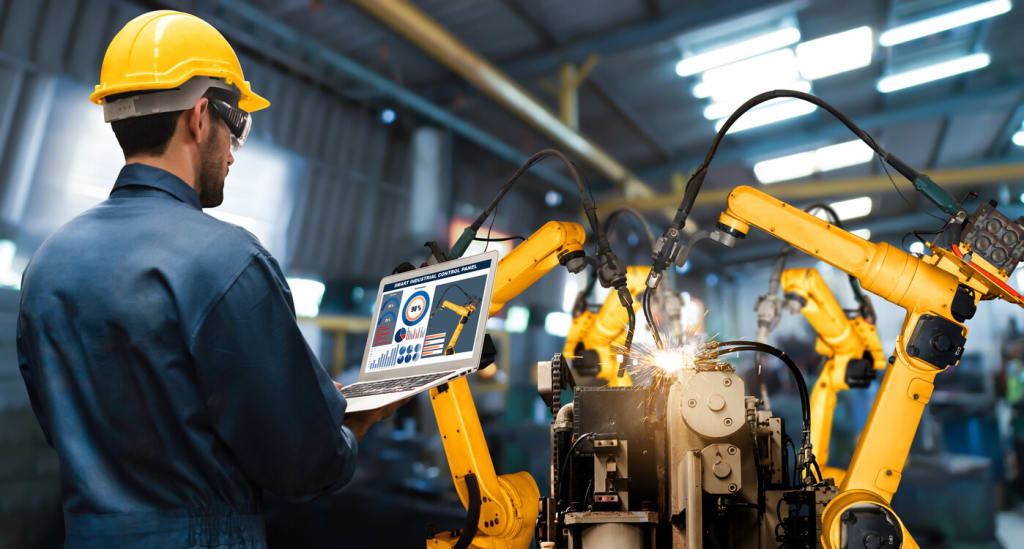
In today’s fast-evolving world, robotics and industrial automation are no longer confined to the realm of science fiction. They’ve become integral to the global economy, driving efficiency, productivity, and innovation. From assembling cars to packaging food, these technologies are reshaping industries, creating smarter factories, and enhancing human capabilities in ways we never thought possible. The buzz around robotics and automation is not just about futuristic advancements—it’s about how these technologies are redefining how we live and work.
But what makes robotics and industrial automation such game-changers? Why are industries investing billions in these technologies? And most importantly, what does this mean for the average person? Let’s dive deeper into this fascinating topic, explore its applications, and understand the transformative potential it holds for industries and society at large.
What Are Robotics and Industrial Automation?
To grasp the significance of robotics and industrial automation, we first need to define them clearly:
Robotics involves the design, construction, and operation of robots—machines programmed to perform tasks typically carried out by humans. Robots can range from simple mechanical arms on factory floors to highly advanced humanoid robots capable of complex interactions.
Industrial Automation refers to the use of control systems, like computers or robots, to handle industrial processes with minimal human intervention. It encompasses technologies like artificial intelligence (AI), machine learning, and the Internet of Things (IoT) to optimize production lines and workflows.
While robotics is a subset of industrial automation, the two often work hand in hand. Together, they form the backbone of smart manufacturing, which is at the heart of the Fourth Industrial Revolution, or Industry 4.0.

The History and Evolution of Industrial Automation
Industrial automation isn’t new. Its roots can be traced back to the First Industrial Revolution when steam power revolutionized production. The introduction of assembly lines by Henry Ford in the early 20th century marked another leap, enabling mass production.
However, the real game-changer came in the latter half of the 20th century with the advent of programmable logic controllers (PLCs) and computer numerical control (CNC) machines, which laid the foundation for modern automation.
The integration of robotics began in earnest in the 1960s, with the introduction of the first industrial robot, Unimate. Since then, robotics and automation have evolved rapidly, with each decade bringing smarter, faster, and more versatile systems. Today, these technologies are powered by advanced AI algorithms, allowing machines to learn, adapt, and improve over time.
Applications Across Industries
The applications of robotics and industrial automation are vast, spanning multiple industries and functions. Here are a few notable examples:
1. Manufacturing
Manufacturing has been the primary beneficiary of robotics and automation. Robots on assembly lines handle tasks like welding, painting, and quality inspection with unmatched precision and speed. Collaborative robots, or “cobots,” work alongside humans to boost productivity without compromising safety.
2. Healthcare
In healthcare, robots assist in surgeries, deliver medications, and even provide patient care. Automation in diagnostics, like AI-driven imaging tools, helps doctors detect diseases early and improve patient outcomes.
3. Agriculture
Automation in agriculture, or “smart farming,” includes robotic harvesters, autonomous tractors, and drones for crop monitoring. These technologies optimize yield, reduce waste, and make farming more sustainable.
4. Logistics and Supply Chain
Warehouses like those of Amazon are a testament to the power of automation. Robots handle sorting, packing, and inventory management, while autonomous vehicles streamline deliveries, making the supply chain faster and more efficient.
5. Construction
Robots are now capable of laying bricks, 3D printing buildings, and inspecting structures for defects. Automation in construction not only speeds up projects but also enhances safety by taking on hazardous tasks.
6. Retail
Self-checkout systems, automated inventory management, and even robots that guide customers in stores are becoming commonplace, transforming all of the retail experience.

Benefits of Robotics and Industrial Automation
The advantages of these technologies are immense and multifaceted:
1. Increased Productivity
Robots don’t need breaks, holidays, or sleep. They can operate 24/7, significantly boosting production capacity and reducing downtime.
2. Enhanced Precision and Quality
Automation minimizes human error, ensuring consistent product quality. This is especially critical in industries like pharmaceuticals and electronics, where precision is non-negotiable.
3. Cost Efficiency
Although the initial investment in robotics can be high, the long-term savings from reduced labor costs, fewer errors, and increased efficiency often outweigh the expense.
4. Improved Safety
Robots take on dangerous tasks, such as handling hazardous materials or working in extreme environments, reducing the risk to human workers.
5. Scalability
Automated systems can be scaled up or down depending on demand, offering flexibility to businesses.
Challenges and Concerns
While the benefits are undeniable, robotics and automation come with their share of challenges and concerns:

1. Job Displacement
One of the biggest fears surrounding automation is the potential loss of jobs. As machines take over repetitive tasks, the demand for certain roles may decline, necessitating a shift in workforce skills.
2. High Initial Costs
The upfront investment in robotics and automation can be prohibitive for small and medium-sized enterprises (SMEs), limiting widespread adoption.
3. Cybersecurity Risks
As factories become more connected through IoT and AI, they become vulnerable to cyberattacks, which could disrupt operations and compromise sensitive data.
4. Ethical Concerns
The use of robots in sensitive areas, like healthcare or law enforcement, raises ethical questions about accountability and decision-making.
5. Complexity in Implementation

Deploying and maintaining automated systems require specialized expertise, which may not be readily available in all regions or industries.
The Future of Robotics and Industrial Automation
The future of robotics and industrial automation looks incredibly promising. Here are some trends shaping the next wave of innovation:
- AI-Driven Robots: Robots with advanced AI capabilities will become even smarter, enabling them to make real-time decisions and adapt to changing environments.
- Edge Computing: By processing data locally rather than relying on cloud servers, automated systems will achieve faster response times and greater reliability.
- Human-Robot Collaboration: The rise of cobots will blur the lines between human and machine roles, fostering a collaborative approach to work.
- Sustainability: Automation will play a key role in creating greener factories, reducing waste, and optimizing resource consumption.
- Global Accessibility: As costs decrease and technologies become more user-friendly, robotics and automation will be accessible to businesses of all sizes, driving global economic growth.
Conclusion
Robotics and industrial automation are not just about machines—they’re about transformation.
They represent the culmination of human ingenuity, pushing the boundaries of what’s possible and opening new horizons for industries and society. While challenges remain, the potential for positive impact is enormous.
As we embrace these technologies, it’s crucial to strike a balance—leveraging their benefits while addressing the associated risks and ethical concerns. After all, the ultimate goal of robotics and automation is not to replace humans but to enhance human potential, making our lives better, safer, and more fulfilling.
The future is here, and it’s automated. Are you ready to be part of the revolution?
About the Creator
Direct2u
Marketer & business promoter with expertise in driving growth for products and services. Specializing in digital marketing, brand strategy, and tailored campaigns that boost visibility, engage and deliver measurable results Click Link!!
Practical steps to handle a medical school interview invite
Receiving a medical school interview invite is a major milestone. It means the admissions committee already likes the grades and the test scores. Now they want to see the person behind the application. For many students this is the most intimidating part of the entire journey.
By Jelena Smiljkovic7 days ago in Education
This Is What I Do When People Throw Rocks At Me
Rocks have been thrown at me for a greater part of my life. Some have been small and missed hitting me. When people don't get a reaction from me, they throw bigger rocks with a better aim. Many have been hurled at me with precision over the years. For a long time, I thought my only options were to dodge them or be crushed by them.
By Margaret Minnicks5 days ago in Confessions



Comments
There are no comments for this story
Be the first to respond and start the conversation.