
Reversing Fatty lever Naturally
Root cause and Remedy
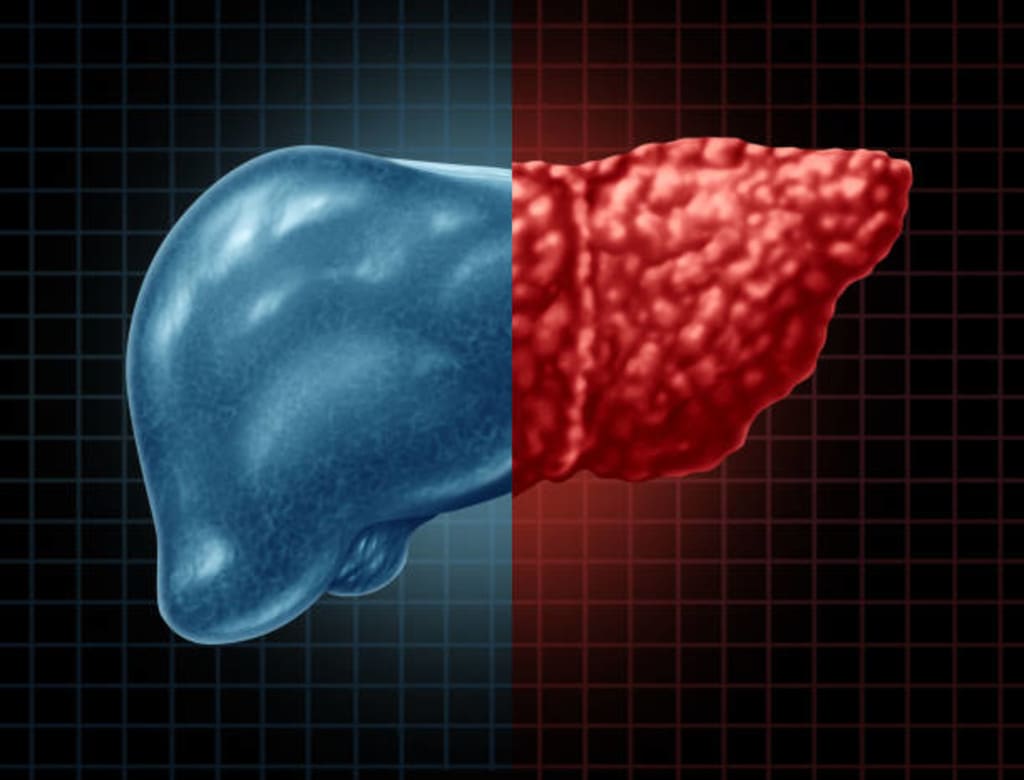
Fatty liver disease is a prevalent condition characterized by the accumulation of fat in liver cells, leading to inflammation and liver dysfunction. It is commonly detected through elevated liver enzymes, specifically alanine aminotransferase (ALT) and aspartate aminotransferase (AST), on blood work. Normal liver enzyme levels should typically be in the teens or 20s. Fatty liver disease has become a global epidemic, affecting about a quarter of the U.S. population. It is especially common among individuals who are obese, overweight, or diabetic, and even children are now being diagnosed with this condition.
The primary cause of fatty liver disease is the diet, particularly the Standard American Diet (SAD), which consists of processed carbs and grains found in bread, pasta, cereals, and rice. Excessive sugar consumption, especially high-fructose corn syrup, is particularly detrimental to the liver. Fructose, unlike glucose, can only be metabolized by the liver and triggers the production of fat and triglycerides, contributing to the accumulation of fat in liver cells.
Insulin resistance, a condition where the body's cells and receptors become unresponsive to insulin, is another significant factor in the development of fatty liver disease. Insulin resistance leads to increased insulin production, which promotes fat storage throughout the body, including the liver. Patients with fatty liver disease often exhibit a metabolic trifecta, including elevated fasting insulin levels, elevated blood glucose, and high cholesterol, especially triglycerides.
Fatty liver disease is often asymptomatic or may cause vague symptoms such as fatigue or malaise. However, it is a treatable and reversible condition. It is crucial to address inflammation early on because if left untreated, a small percentage of patients may progress to fibrosis and cirrhosis, which are irreversible and end-stage liver diseases associated with severe complications.
To diagnose fatty liver disease, other potential causes of elevated liver enzymes must be ruled out. This includes reviewing the patient's medications and supplements, checking for viral hepatitis antibodies, ruling out autoimmune hepatitis, and evaluating iron storage levels. A liver ultrasound is also useful for confirming the diagnosis, as it can reveal increased echogenicity and potential enlargement of the liver due to fat accumulation.
The primary treatment for fatty liver disease revolves around dietary changes. A paleo diet, similar to a Whole30 diet, is recommended. It eliminates grains, processed foods, dairy products, vegetable oils, and sugar, while emphasizing vegetables as the foundation of the diet. Good fats like avocados, olive oil, and nuts are encouraged, as they promote satiety, reduce hunger, and lower insulin levels. Eggs are considered nutritious, and intermittent fasting can be beneficial. Regular exercise also aids in reversing insulin resistance.
Supplements can support liver health, including glutathione as a detoxifier, berberine for activating insulin receptors, alpha-lipoic acid as an antioxidant, and coenzyme Q10 (CoQ10) for mitochondrial health. CoQ10 is especially important for individuals taking cholesterol-lowering medications.
Monitoring the gut microbiome is essential, as there is a bidirectional relationship between the gut and liver health. Certain metabolites produced by gut bacteria can influence liver inflammation. Stool microbiome tests can provide insights into probiotic recommendations tailored to an individual's specific needs.
Patients who follow the recommended dietary and lifestyle changes often experience significant improvements in their liver health, as evidenced by normalized liver enzyme levels and weight loss. Fatty liver disease, when addressed early and effectively, can be reversed, allowing individuals to avoid the complications associated with advanced stages of the disease.
It is crucial to prioritize liver health, as the liver plays a vital role in detoxification and metabolism, including the clearance of toxins from food and the environment, as well as the metabolization of estrogens. Neglecting liver health can lead to various complications, such as hepatic encephalopathy, kidney failure, and the need for liver transplantation in severe cases.
In conclusion, fatty liver disease is a prevalent and reversible condition caused by factors such as the diet and insulin resistance. It can be diagnosed through elevated liver enzymes and confirmed through a liver ultrasound. The main treatment approach involves dietary changes, with a focus on a paleo or Whole30 diet, along with exercise. Monitoring the gut microbiome and considering specific supplements can also support liver health. Early intervention and adherence to recommended lifestyle modifications can lead to improved liver function and prevent the progression to irreversible liver diseases.
About the Creator
Deepak Ahire
Deepak Ahire is Principal ,psycologist,relation expert and health coach and wants to help the people
Keep reading
More stories from Deepak Ahire and writers in Education and other communities.
Understanding and Addressing Insulin Resistance: A Comprehensive Analysis
Title: Understanding and Addressing Insulin Resistance: A Comprehensive Analysis Introduction: In this article the topic of insulin resistance, the primary hormonal and metabolic issue leading to diabetes. The global epidemic of obesity and the alarming number of undiagnosed cases of insulin resistance. it emphasizes the importance of assessing fasting insulin levels, in addition to fasting glucose and hemoglobin A1c, to gain a more comprehensive understanding of insulin resistance. I would like to introduces two patient cases to illustrate the presence of insulin resistance even before the onset of diabetes.
By Deepak Ahire3 years ago in Humans
The Science of Curiosity
Sophia had always been curious about the world. Even as a child, she would spend hours asking questions about everything she saw—the stars in the sky, the plants in the garden, and even the strange noises her cat made at night. But as she grew older, she noticed that most people around her seemed to prefer answers over questions. They wanted certainty, not curiosity.
By Sudais Zakwan2 days ago in Education




Comments
There are no comments for this story
Be the first to respond and start the conversation.