
Revealing The Truth Behind Common PE and FE Exam Prep Myths
It means that mastering the reference material is more important than learning formulas by heart. The wiser course of action is to understand fundamental ideas and know where to look for solutions quickly.
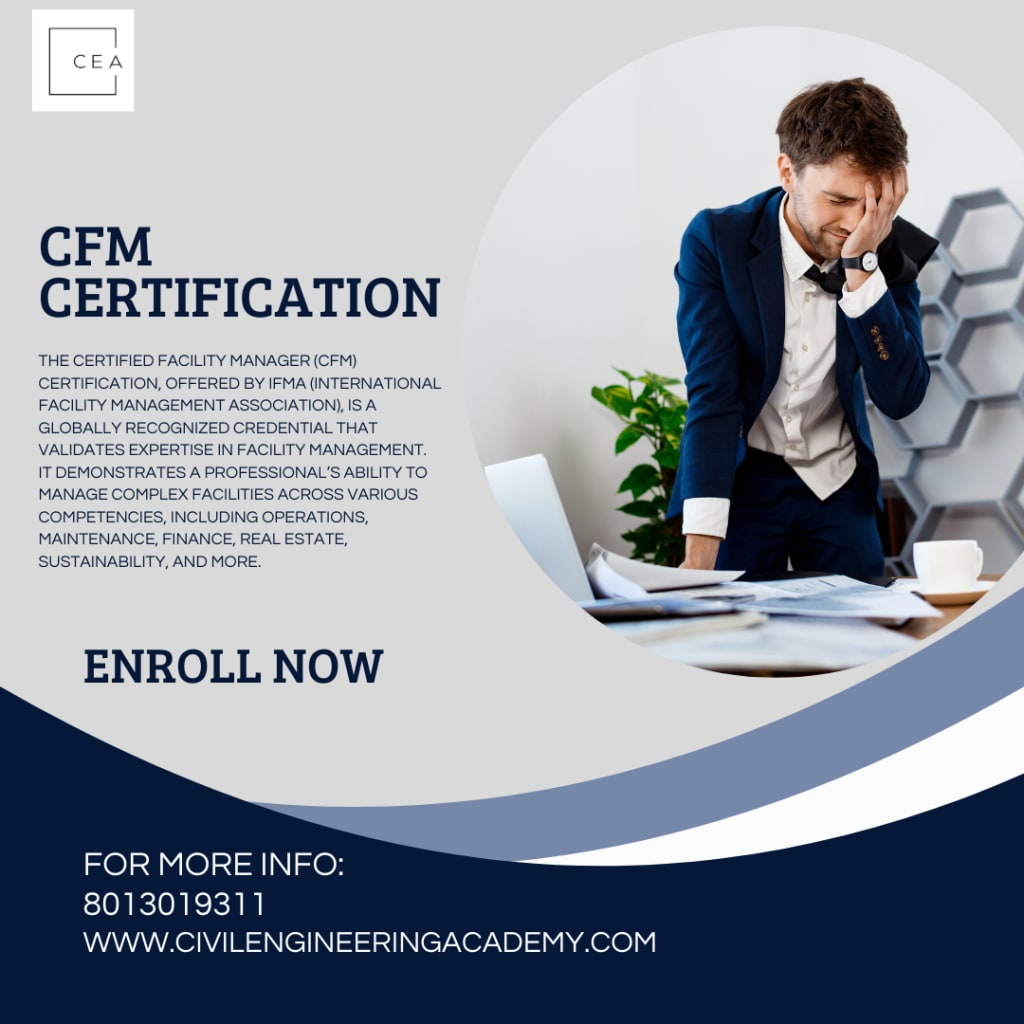
Preparing for the PE (Professional Engineer) and FE (Fundamentals of Engineering) exams can feel overwhelming. These are major milestones in an engineer’s career, and with so much information available, it’s easy to get confused by misleading advice.
In this article, we’ll clear up some of the most common myths surrounding FE and PE exam prep and guide you toward a smarter, more confident study plan.
Myth 1: You Need to Study for 8 Hours a Day
One of the most common misconceptions is that in order to pass the FE or PE exam, you need to study for eight hours or more each day. Actually, quality is more important than quantity. In fact, burning oneself out may slow down your growth.
Following a steady, achievable study schedule is more efficient. You can make consistent progress in a few hours a day if you use a planned PE exam prep study guide or sign up for a trustworthy FE exam prep study course. Long, tiring hours of study are not as effective at retaining information as focused study with appropriate breaks.
Myth 2: Practice Exams Are Optional
Because they believe they can only rely on theory, some test candidates avoid taking practice exams. However, it is a grave mistake to forgo the FE or PE civil practice exams.
Practice exams replicate the real test environment. They assist you in recognizing your areas of weakness, efficiently managing your time, and understanding the format. Taking these assessments on a regular basis increases your confidence and reveals areas where your learning strategy needs to be modified.
Myth 3: You Can Pass Without a Study Guide
While it’s true that some people have passed the exams through self-study, most benefit from a dedicated resource. A good PE exam prep study guide or FE exam prep study guide offers structure, essential concepts, sample questions, and solutions.
Trying to collect all materials yourself can be time-consuming and incomplete. With a well-reviewed guide or study course, you know you're covering the right topics in the right way.
Myth 4: The FE Exam Is Easy If You Just Graduated
Graduates often assume they’ll breeze through the FE exam because the material is fresh. However, the FE civil practice exam covers a broad range of subjects, many of which might not have been covered in-depth during school.
It’s smart to prepare using targeted resources like an FE exam prep study course or flashcards. These tools help reinforce what you know and refresh areas you may have forgotten.
Myth 5: The PE Exam Is the Same for Everyone
Not all PE exams are alike. The PE civil practice exam, for example, is very different from the PE mechanical or electrical exam. Each discipline has unique topics, question styles, and reference materials.
Ensure your PE exam preparation is suited to your specific engineering field. Use books, practice exams, and study guides tailored to your discipline to avoid wasting time on irrelevant content.
Myth 6: You Don’t Need to Worry About Exam Timing
One of the most difficult things about the FE and PE exams is managing your time. On test day, some students think they'll figure it out, but it can cause needless anxiety.
You can learn how to pace yourself by preparing with a whole PE or FE civil practice exam. Your final score may differ significantly if you know how long to spend on each question and when to move on.
Myth 7: Online Courses Are Not as Good as In-Person Prep
Some still believe online prep lacks the depth or quality of classroom courses. But today’s FE exam prep study course and PE exam prep programs are highly interactive, updated regularly, and flexible to your schedule.
In fact, online prep allows you to learn at your own pace, replay tough topics, and track your progress more efficiently. Many successful engineers today have passed using nothing but online courses and digital guides.
Myth 8: You Should Memorize Everything
The idea that memorizing needs to be maintained is another common misunderstanding. Although some memory is required, the PE and FE examinations are either open-book or, depending on the arrangement, provide access to a reference guide.
It means that mastering the reference material is more important than learning formulas by heart. The wiser course of action is to understand fundamental ideas and know where to look for solutions quickly.
Myth 9: You Have to Be a Genius to Pass
Many students doubt their abilities, thinking the exams are only for “brilliant” engineers. That is simply not true. The key to success is preparation, perseverance, and the use of appropriate resources.
The majority of those who pass aren't flawless in every subject. However, students use resources such as a study guide for the PE and FE exams and take a lot of practice tests to prepare well. You'll be prepared if you believe in the process.
Conclusion
There are many myths about the PE and FE exams that can create confusion or lead to poor study habits. But you can stay aware of these traps if you have the correct knowledge and resources.
At Civil Engineering Academy, you’ll find the tools and guidance to support your journey, whether you're going through a PE exam prep study course, finishing a FE civil practice exam, or reviewing subjects from your FE exam prep study book.
Don't allow fear or misconceptions to stop you from being prepared. Start with trustworthy sources, make good use of your time, and concentrate on comprehension rather than memorization. On the day of the exam, the correct approach will make all the difference.
Read more : https://shopping-feedback.today/education/your-ultimate-guide-to-engineering-exams-pe-fe-and-cfm-certification-with-civil-engineering-academy%3C/p%3E%3C/blockquote%3E%3Cstyle data-emotion-css="14azzlx-P">.css-14azzlx-P{font-family:Droid Serif,Georgia,Times New Roman,Times,serif;font-size:1.1875rem;-webkit-letter-spacing:0.01em;-moz-letter-spacing:0.01em;-ms-letter-spacing:0.01em;letter-spacing:0.01em;line-height:1.6;color:#1A1A1A;margin-top:32px;}
About the Creator
Keep reading
More stories from Isaac Oakeson and writers in Education and other communities.
Your Ultimate Guide to Engineering Exams: PE, FE & CFM Certification with Civil Engineering Academy
Becoming a licensed engineer or certified facility manager can completely change your career. Whether you want to become a Professional Engineer (PE), pass the FE Civil Exam, or earn the CFM Certification, these credentials increase your credibility, expand your job opportunities, and boost your salary.
By Isaac Oakeson7 months ago in Education
Leading Beyond Limits: The Role of Executive Leadership in Achieving Organizational Excellence
In today’s dynamic and competitive business landscape, organizations are constantly pursuing not just growth but excellence. While growth reflects success in the marketplace, true organizational excellence is measured by sustainability, innovation, culture, and impact. At the core of this transformation is executive leadership—a force that guides businesses beyond short-term wins toward long-term significance.
By Yeasha Sobhan4 days ago in Education
How Business Coaching Helps Founders Scale With Clarity and Control
Business coaching assists founders to scale since hustle and reactivity are substituted with structure, systems and strategic leadership. Strategic coaching provides clarity in the marketing, operations, leadership, and decision-making roles of the business, eliminating the need to use the owner as the bottleneck, instead enabling the business to expand without havoc, burnout, or firefighting.
By Alice Adamsabout 17 hours ago in Education
A Dart at Dusk
Seconds ago, the sullen sun set on the two of us… my exuberant furry companion and me. A fresh breeze embraces us, delivering welcome relief from the day’s oppressive heat. His typical stumbling and staggering along — apace with a sloth — has turned into trip-trapping, high-stepping, almost skipping along.
By Angie the Archivist 📚🪶3 days ago in Petlife



Comments
There are no comments for this story
Be the first to respond and start the conversation.