
Remote Security Guards: The Future of Modern Security Solutions
A remote security guard, also known as a virtual security guard, is a professional who monitors and protects a location from a remote location using advanced technology.

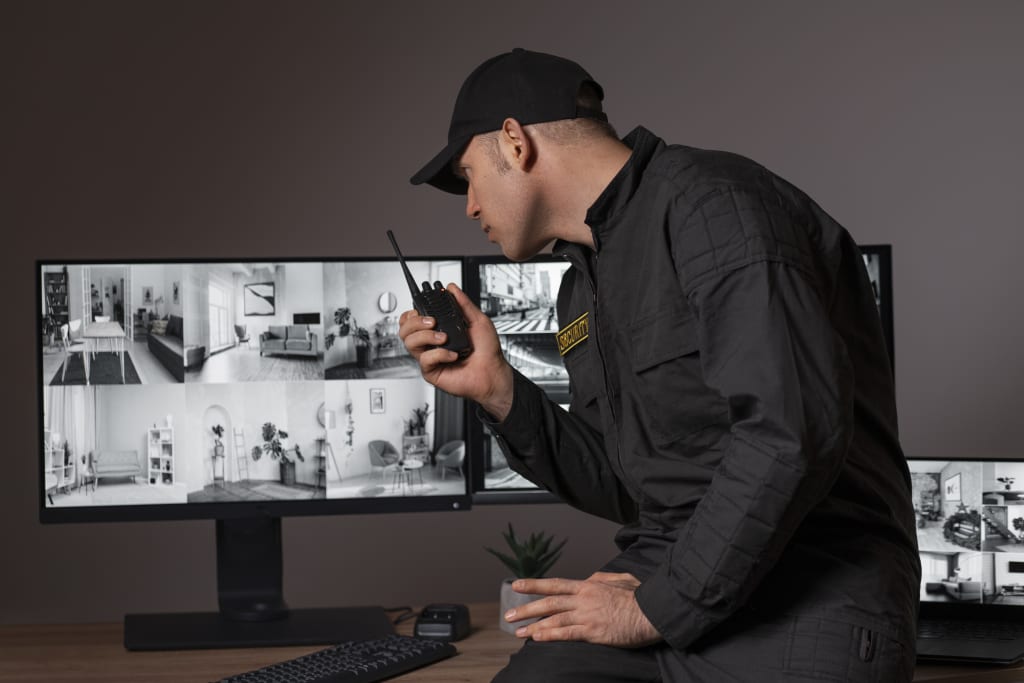
In an increasingly digital and connected world, the demand for security solutions that keep pace with technological advancements has never been greater. Among the many innovations reshaping the security industry, the concept of the remote security guard stands out as a game-changer. This technology-driven solution offers a blend of traditional security measures and modern technology, providing businesses and residential areas with enhanced protection without the need for on-site personnel.
What is a Remote Security Guard?
A remote security guard, also known as a virtual security guard, is a professional who monitors and protects a location from a remote location using advanced technology. Instead of physically patrolling a property, these guards use surveillance cameras, motion detectors, and other security systems to keep a close watch on premises. They can respond to potential threats in real-time, either by alerting on-site personnel, contacting local law enforcement, or taking direct action through integrated systems like alarms or automated lockdowns.
How Does Remote Security Work?
The core of remote security lies in the integration of high-definition cameras, sensors, and communication systems that feed live data to a central monitoring station. This station could be anywhere in the world, allowing security companies to provide 24/7 surveillance without the limitations of geographical boundaries.
Here’s a breakdown of how it works:
Surveillance: High-definition cameras are strategically placed around the property to cover all critical areas. These cameras are often equipped with night vision, motion detection, and even facial recognition technology to ensure comprehensive monitoring.
Monitoring: The live feeds from these cameras are sent to a remote monitoring center where trained security professionals watch for any suspicious activity. Advanced software can also analyze the footage in real-time, flagging potential threats that require human intervention.
Response: If a threat is detected, the remote security guard can take several actions. They can communicate directly with on-site personnel through intercoms or public address systems, trigger alarms, or even contact local law enforcement. In some cases, they can also control physical security measures like locking doors or gates.
Benefits of Remote Security Guards
The shift towards remote security guards offers numerous advantages, making it an attractive option for a wide range of businesses and residential properties.
Cost-Effectiveness: Hiring on-site security guards can be expensive, especially for round-the-clock protection. Remote security services often come at a fraction of the cost since fewer personnel are required, and the same team can monitor multiple locations simultaneously.
Scalability: Remote security systems can be easily scaled up or down depending on the needs of the property. Whether it’s a small business or a large industrial complex, remote security can be tailored to provide the necessary level of protection.
24/7 Surveillance: Unlike human guards, remote security systems do not tire, take breaks, or become distracted. They provide constant vigilance, ensuring that every moment is monitored.
Rapid Response: Remote security guards can react to threats in real-time, often faster than an on-site guard who might need to cover large areas on foot. With the ability to control security systems remotely, they can lock down a facility or contact authorities instantly.
Reduced Risk for Security Personnel: In some high-risk environments, placing security personnel on-site can be dangerous. Remote security allows these professionals to do their job effectively without putting themselves in harm’s way.
Applications of Remote Security Guards
The versatility of remote security makes it suitable for a wide range of applications. Some of the most common include:
Retail Stores: Preventing shoplifting and vandalism without intimidating customers.
Construction Sites: Protecting expensive equipment and materials during off-hours.
Corporate Offices: Ensuring the safety of employees and assets, especially during non-business hours.
Residential Communities: Providing a sense of security to residents by monitoring common areas and entry points.
Industrial Facilities: Keeping watch over critical infrastructure and preventing unauthorized access.
The Future of Remote Security
As technology continues to advance, the capabilities of remote security guards will only grow. We can expect more sophisticated AI-driven monitoring systems, better integration with other smart building technologies, and even more cost-effective solutions that make high-level security accessible to everyone.
Moreover, the increasing use of cloud-based systems and the Internet of Things (IoT) means that remote security will become even more interconnected and capable of providing real-time data to property owners and security companies alike.
Conclusion
In conclusion, remote security guards represent the future of the security industry. By combining the vigilance of traditional security personnel with the efficiency and reach of modern technology, they offer an innovative solution that meets the demands of today’s fast-paced world. Whether you’re a business owner looking to protect your assets or a homeowner seeking peace of mind, remote security is a versatile and cost-effective option that is well worth considering.
About the Creator
Safe Passage Solutions
Safe Passage Solutions: Remote security, visitor management, and license plate recognition for access control. For more details visit us at: https://safepassagesolutions.com/
Keep reading
More stories from Safe Passage Solutions and writers in Education and other communities.
A Comprehensive Guide to Remote Guard and Virtual Security Guards
In an age in which era constantly reshapes our lives, the world of security has not been left at the back of it. The integration of superior technologies in security has given upward push to modern answers like Remote Guard and Virtual Security Guards. These modern-day security solutions offer remarkable protection and efficiency, making traditional safety strategies appear previous. This blog delves into the intricacies of Remote Guard offerings and the advantages of employing Virtual Security Guards, illustrating how they may be revolutionizing the safety enterprise.
By Safe Passage Solutionsabout a year ago in 01
Why Certification Protects Transcription Careers in the Age of AI
Artificial Intelligence has rapidly transformed the transcription industry. Speech-to-text tools now promise instant results, lower costs, and effortless productivity. For businesses focused purely on speed, AI often appears to be the perfect solution. However, beneath this promise lies a critical reality: speed without accuracy creates risk.
By Mahesh Kumarabout 3 hours ago in Education
What It Really Takes to Get a Wikipedia Page Approved in 2026
These days, Wikipedia isn't like the one some folks recall. Back then, an okay article often made it through with just small tweaks. Now things feel tighter, more intense. Every day brings thousands of fresh entries. Most vanish fast, blocked before they stick around. Getting turned down used to be rare. Lately, that's just how it goes.
By Hillshire Media6 days ago in Education
A Failed Artist, A Disillusioned Poet, An Underpaid Game Show Host
I took my son and niece to Gori, a small town in Georgia where Joseph Stalin was born. They talked me into visiting the Stalin's Museum, the largest in the post-Soviet space. I had resisted going there because I just can't stand the monster and know enough about him, or so I thought.
By Lana V Lynx7 days ago in FYI



Comments
There are no comments for this story
Be the first to respond and start the conversation.