
Remote Hiring for BIM Roles in the USA
Remote Hiring for BIM Roles in the USA: A 2025 Guide for AEC Firms

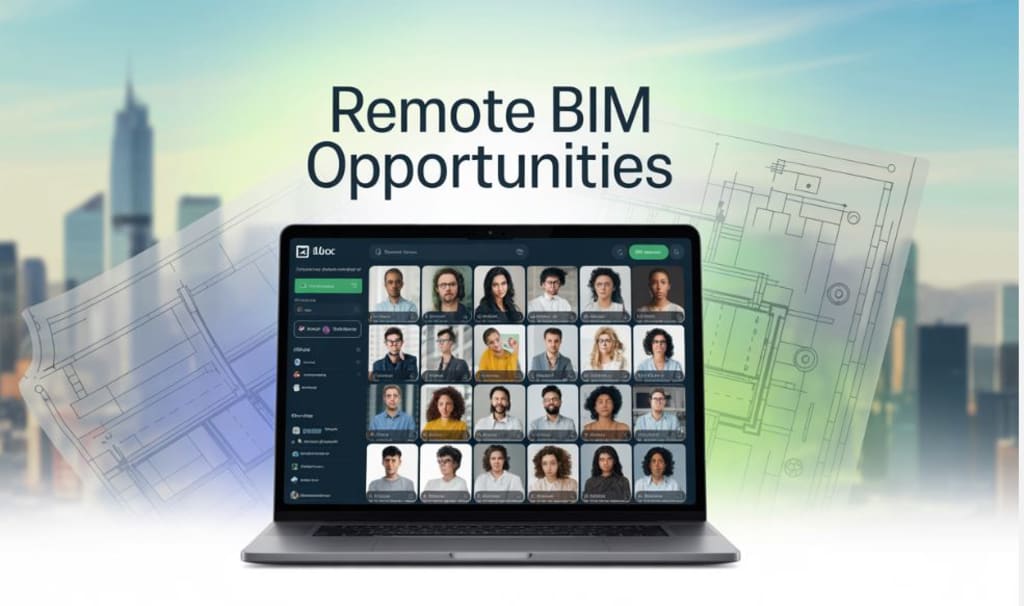
As Building Information Modeling (BIM) becomes the foundation of modern construction and design, AEC firms across the USA are rethinking how they build their teams. The traditional in-office hiring model is being replaced with remote-first hiring strategies—especially for BIM roles. Thanks to cloud technology and virtual collaboration platforms, remote hiring for BIM roles is now a scalable, secure, and cost-effective reality.
In this blog, we explore why remote hiring is growing in the USA's AEC sector, which BIM roles are best suited for remote work, how to hire effectively, and how to overcome the challenges of managing virtual teams.
Why Remote Hiring is Booming in BIM
The demand for BIM professionals has soared in the last decade. However, with that demand comes a significant talent gap—especially in regions where qualified Revit or BIM experts are scarce.
Remote hiring allows firms to:
- Tap into national and even global talent without relocation constraints.
- Save on overhead costs like office space, utilities, and equipment.
- Increase project speed and agility by bringing on specialists quickly.
- Offer greater work-life balance, improving employee satisfaction and retention.
Key Enablers of Remote BIM Work:
- Autodesk BIM 360 & Construction Cloud: Secure cloud access to BIM models.
- Navisworks: Real-time model review and clash detection from anywhere.
- Zoom, microsoft Teams, Slack: Communication tools for seamless collaboration.
- VPNs & secure file sharing: Protect sensitive project data.
Top BIM Roles Now Hired Remotely in the USA
🏗️ Core BIM Roles
1. BIM Modelers (Revit, AutoCAD, Civil 3D)
Remote modelers create architectural, structural, and MEP models using project files, drawings, and scan data. With cloud-based platforms like BIM 360, real-time collaboration is seamless.
2. BIM Coordinators
They ensure discipline-wise coordination, conduct clash detection, and maintain project standards across remote teams and stakeholders.
3. VDC Engineers
Virtual Design & Construction engineers integrate BIM with scheduling (4D), cost estimation (5D), and site logistics, often from remote locations.
4. Scan to BIM Experts
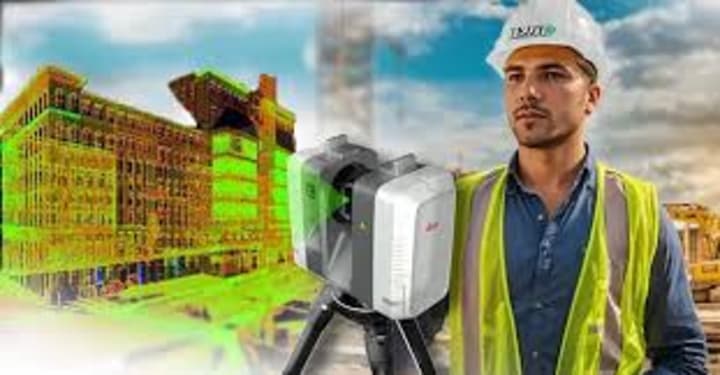
These professionals convert point cloud data into intelligent models for renovation, facility management, or asset tracking.
5. BIM Managers
They lead BIM implementation, mentor teams, standardize workflows, and manage documentation—all remotely.
Digital Marketing & Creative Roles in AEC
6. SEO Specialists (AEC & BIM Focused)
With more BIM firms aiming for online visibility, remote SEO professionals help optimize websites, blogs, and service pages to rank on Google. Their understanding of AEC/BIM keywords gives firms a competitive digital edge.
7. Graphic Designers
From project portfolios and social media creatives to BIM execution plan diagrams and brochures, designers play a crucial role in remote branding and proposal development.
8. 3D Visualizers & Render Artists
These creatives turn Revit, SketchUp, or Rhino models into photo-realistic renders and walkthroughs. Hiring them remotely helps BIM firms showcase their work visually, even before construction starts.
9. Content Writers / Technical Copywriters
Specialized writers create blogs, case studies, whitepapers, service descriptions, and social media content tailored to the BIM and AEC audience. Remote content professionals help bridge the gap between technical teams and non-technical clients.
10. Business Development Managers (BDMs)
BDMs drive revenue remotely by identifying leads, nurturing client relationships, creating proposals, and pitching services across markets. In the BIM space, they play a vital role in connecting with contractors, architects, developers, and government clients across the U.S.
Why These Roles Matter
A strong online presence and digital storytelling are essential for project acquisition, client trust, and brand authority.
Remote hiring enables you to bring in top creative and technical minds without the limitations of physical location.
Combining technical BIM execution with digital content creation drives both project delivery and market positioning.
Best Practices for Hiring BIM Talent Remotely
Hiring remotely requires a different approach than traditional hiring. Here’s how to set yourself up for success:
1. Define Role Requirements Clearly
List the project type (commercial, healthcare, industrial, etc.), required software skills (Revit, Navisworks, Dynamo), and expected deliverables.
2. Use Practical Skill Assessments
Give candidates BIM tasks, such as:
- Modeling from a PDF or CAD file.
- Running clash detection between MEP and structural models.
- Creating Revit families or templates.
3. Evaluate Communication & Collaboration
- Soft skills matter just as much as technical ones. Assess how candidates:
- Lead virtual coordination meetings.
- Communicate with architects, contractors, and consultants.
- Respond to RFI documentation.
4. Create a Digital Onboarding Plan
Ensure remote hires feel part of the team from day one by:
- Assigning onboarding buddies.
- Providing BIM standards manuals.
- Giving access to software licenses, project files, and collaboration tools.
5. Promote Continuous Learning
Remote workers thrive when they have growth opportunities. Provide:
- Access to Autodesk certifications.
- Regular feedback and check-ins.
- Invitations to internal webinars or knowledge-sharing sessions.
Top Platforms to Source Remote BIM Talent
Looking for high-quality BIM professionals? These platforms are ideal for sourcing remote talent:
- LinkedIn – Best for senior BIM roles and active job seekers.
- Upwork/Freelancer – Short-term or project-based BIM talent.
- Indeed & Glassdoor – For posting full-time remote openings.
- Archinect / BIMJobs / Coroflot – Architecture and BIM-specific listings.
- Autodesk University & BIM forums – Engage with industry-certified professionals.
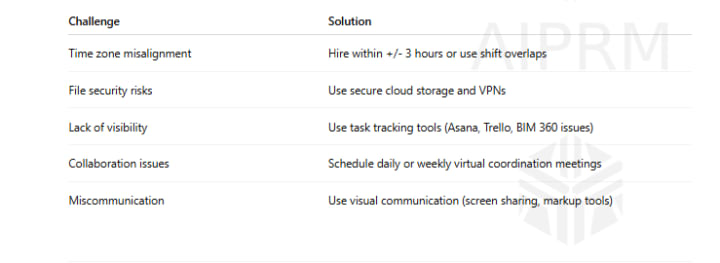
Common Challenges in Remote BIM Hiring (And How to Solve Them)
FAQ – Remote BIM Hiring in 2025
Q: Are remote BIM teams as effective as in-house teams?
Yes! With the right tools and communication practices, remote teams often outperform traditional setups due to flexibility and talent diversity.
Q: What are the most in-demand BIM skills for remote roles?
Revit proficiency, Navisworks clash detection, Scan to BIM, MEP coordination, and Dynamo scripting.
Q: How do I monitor remote BIM work?
Use task boards, model versioning history, BIM 360 dashboards, and regular check-ins to track progress and quality.
Conclusion
The future of BIM hiring in the USA is remote—and it’s here to stay. As more AEC firms embrace flexible work models, the ability to recruit top BIM talent from anywhere is becoming a key competitive advantage. By investing in smart hiring strategies, digital collaboration, and ongoing training, you can build a world-class BIM team that delivers—whether they're across the country or across the globe.
Looking for Remote BIM or Digital Roles?
Tejjy Inc. is actively hiring for various remote positions, including BIM modelers, Revit experts, SEO specialists, 3D visualizers, graphic designers, and content writers.
Explore open roles and apply today:
👉 https://tejjy.zohorecruit.com/jobs/Careers
Stay updated with our latest hiring updates and AEC insights –
Follow us on LinkedIn:
👉 Tejjy Inc. Human talent on LinkedIn
Join a dynamic team shaping the future of digital construction across the USA—remotely.
About the Creator
Shraddha Rathore
As an SEO specialist dedicated to creating informative content for audiences. I primarily focus on topics related to AEC, BIM, 3D LiDAR, software development, health, and gaming, ensuring valuable knowledge-sharing and industry insights.
Keep reading
More stories from Shraddha Rathore and writers in Education and other communities.
Top 10 MEP Coordination Services Providers in the USA
Efficient coordination of mechanical, electrical, and plumbing (MEP) systems is the backbone of successful construction. With the growing complexity of buildings and demand for energy-efficient design, the need for precise MEP coordination using BIM (Building Information Modeling) has never been more important. Whether you're an architect, general contractor, or developer, choosing the right MEP coordination partner can make or break your project.
By Shraddha Rathore 8 months ago in Education
The Transformative Power of Soft Skills in Modern Success
In today’s fast-paced world, technical knowledge alone is rarely sufficient to achieve long-term success. Soft skills—the interpersonal, emotional, and cognitive abilities that shape how we interact with others—have become equally, if not more, essential. These skills include communication, empathy, adaptability, teamwork, and problem-solving. People who cultivate soft skills are not only better equipped to navigate complex situations but also more capable of influencing others, building strong relationships, and achieving sustainable success.
By Kurt James Wichman a day ago in Education
What Should Be Your Main Focus During an Online Limited Radiology Tech Program
Well, the short answer is that there is not a single module that you should strictly focus on. If you want to become a X-ray technician, you need to develop both technical and soft skills.
By Meaghan Howe2 days ago in Education
Hottest in the Office
Dear Rafi, You’re very distracting to work around. For the first second I saw you the other day, I thought you were some type of executive. It took a moment to realize no, you were just the new guy, dressed up for the job he wants. Be still, my heart.
By Gabriel Shames4 days ago in Pride



Comments
There are no comments for this story
Be the first to respond and start the conversation.