
Recombinant Vaccines: Changing the Face of Immunization with Organic Chemistry
Recombinant Vaccines: How Organic Chemistry is Redefining Immunization

Vaccines have always been a vital part of disease prevention, but what if I tell you that a new generation of vaccines is revolutionizing this field? This breakthrough is known as recombinant vaccines, an incredible innovation made possible by the principles of organic chemistry. Today, we will talk about how these vaccines are changing vaccination, offering safer and more effective solutions to prevent infectious diseases.
How Do Recombinant Vaccines Work?
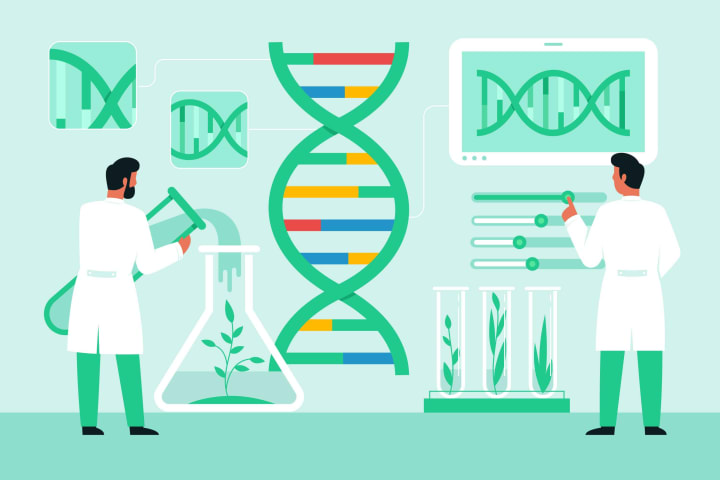
Recombinant vaccines work on a simple but powerful concept: using DNA from a virus or bacterium to create proteins that activate an immune response. Rather than traditional vaccines that use weakened or dead viruses, recombinant vaccines rely on recombinant DNA technology, which allows scientists to insert specific genes from the pathogen into cells grown in a lab. These cells then produce antigens, which are used to make a vaccine.
The process begins with isolating the gene responsible for the pathogen’s antigen. That gene is then inserted into another organism (such as yeast or bacteria), and through fermentation, it produces large quantities of the antigen. These proteins are extracted and used in vaccines to improve our immune system.
As Louis Pasteur said,
"Science knows no country because knowledge belongs to humanity, and is the torch which illuminates the world."
This is even more true for recombinant vaccines, where modern science and organic chemistry join hands for the betterment of human health.
Benefits of Recombinant Vaccines
Recombinant vaccines have several clear advantages over conventional vaccines. Some major advantages are as follows:
- Increased safety: Because recombinant vaccines do not use live germs, the risk of disease occurrence is greatly reduced.
- Stability: These vaccines are more stable and require less refrigeration, making them easier to store and transport, especially in areas with limited healthcare infrastructure.
- Targeted immune response: These can be designed to focus on specific parts of the virus or bacterium, leading to a more robust and effective immune response.
This approach not only makes recombinant vaccines safer but also more versatile. They have already been used successfully in vaccines such as the hepatitis B and HPV vaccines, and new developments are constantly underway.
Organic Chemistry Behind Recombinant Vaccines
Thus, organic chemistry provides the very basis for the development of recombinant vaccines. It allows one to manipulate complex biological molecules. In making vaccines, scientists depend on organic reactions to split and then modify DNA sequences. Through organic chemistry, one gains knowledge of the interactions, degradation, and binding of molecules. This provides researchers with tools by which they design proteins that powerfully stimulate our immune system.
The recombinant DNA process involved chemical modification of DNA in terms of adding or deleting nucleotides, the building blocks of life. In these genetic sequences, one seeks to tell the cell which proteins it should make. One would need not only in depth biological knowledge but also the understanding of chemical reactions by which the interactions of molecules can be precisely controlled.
Practical Applications in Health and Medicine
The practical benefits of recombinant vaccines are not just theoretical. They have already been applied to fight many diseases. Here are some of the most well-known recombinant vaccines: Hepatitis B, HPV Vaccine, and Shingrix. These vaccines have proven to be highly effective, significantly reducing the incidence of related diseases worldwide. Their creation through recombinant DNA technology highlights how essential organic chemistry is to modern medicine.
Future of Immunization with Organic Chemistry
As the field of vaccine development continues to advance, organic chemistry will play an even bigger role. Recombinant vaccines are just the beginning. Scientists are already exploring the possibilities of new, even more sophisticated vaccines that target multiple diseases at once.
For example, work is in progress on creating a universal flu vaccine, which would provide protection against multiple strains of the flu in a single shot. Similarly, researchers are investigating how recombinant DNA technology could be used to create vaccines for diseases that do not yet have effective prevention, such as HIV and malaria.
As organic chemistry continues to advance, the possibilities for recombinant vaccines seem limitless. In a world increasingly aware of global health challenges, this innovative technology will help us stay one step ahead of emerging diseases.
Conclusion
Recombinant vaccines have undoubtedly changed our approach to vaccination. By leveraging the power of organic chemistry, we can now develop vaccines that are safer, more effective, and easier to distribute. The next decade is likely to bring even more breakthroughs in this field, giving us the tools to save even more lives around the world.
To stay updated on vaccine development, you can follow leading health organizations like World Health Organization and Centers for Disease Control and Prevention.
About the Creator
Mudassar saleem
I’m a passionate science blogger and educator at Learning Breeze. Learning Breeze simplifies complex science concepts, inspires curiosity and fosters a love of education. Join us to explore and learn together!
Keep reading
More stories from Mudassar saleem and writers in Education and other communities.
How Photoredox Catalysis is Simplifying Organic Chemistry
The chemistry laboratory produces a silent sea of change amid active beaker bubbles and chemical reactions. The driving force of this revolutionary development stems from the use of light instead of new elements or sophisticated compounds. The world of photoredox catalysis welcomes people to a transformative method that reshapes organic chemistry.
By Mudassar saleem11 months ago in Education
Breaking Down Private and Commercial Pilot Licenses
Taking flight is more than just a thrill; it can be a lifestyle or a full-fledged career. But before you can soar through the skies, you need to earn the appropriate pilot license. Two of the most common paths for aspiring aviators are the private pilot license (PPL) and the commercial pilot license (CPL). While both enable you to fly aircraft, they serve very different purposes and require varying levels of commitment. If you're deciding between the two, understanding the distinctions can help you make the right choice for your future in aviation.
By Jett Harris of Arkansasa day ago in Education



Comments