
Rani Lakshmibai: The Warrior Queen of Jhansi
The warrior King of zansi

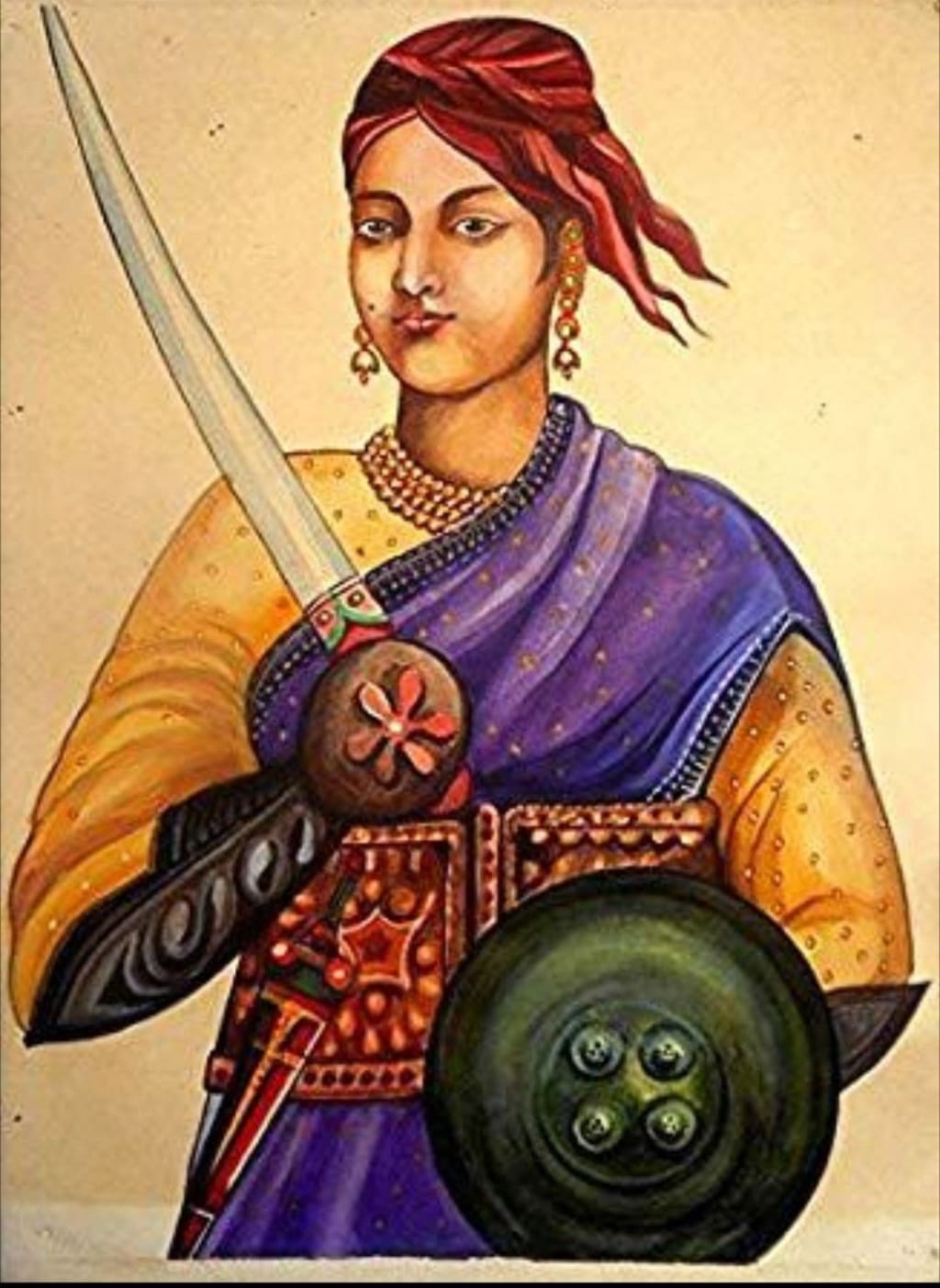
Rani Lakshmibai, the valiant queen of Jhansi, was a pivotal figure in the Indian Rebellion of 1857, a fierce uprising against British rule. Her courage and strategic brilliance on the battlefield made her a symbol of resistance and an enduring icon of Indian patriotism.
Born as Manikarnika Tambe in Varanasi on November 19, 1828, she was nicknamed Manu. Her mother passed away when she was young, and her father, Moropant Tambe, raised her. Unlike most girls of her time, Manu received a unique upbringing. She learned martial arts, swordsmanship, and horse riding alongside boys, displaying a keen interest in warfare from an early age.
In 1842, she married Maharaja Gangadhar Rao of Jhansi and was renamed Lakshmibai. The couple had a son, but tragically, he passed away in infancy. The Maharaja also died in 1853, leaving Lakshmibai widowed at the young age of 25.
The British, seeking to annex Jhansi under the Doctrine of Lapse, refused to recognize her adopted son as the heir. This sparked Lakshmibai's defiance. She refused to cede her kingdom and bravely declared, "Meri Jhansi nahi dungi!" ("I will not give up my Jhansi!").
When the Indian Mutiny erupted in 1857, Lakshmibai saw an opportunity to reclaim her rights and fight for independence. She joined the rebellion and quickly emerged as a formidable leader. Her military skills and unwavering determination inspired her troops. She was known for her valor in battles, often leading her forces from the front lines.
In 1858, the British forces laid siege to Jhansi. Lakshmibai and her soldiers put up a valiant defense, but the city fell after a fierce battle. Undeterred, she escaped with her son and sought refuge in Kalpi, where she joined forces with Tantya Tope, another prominent rebel leader.
Together, they captured Gwalior, but the British counterattacked. In the ensuing battle, Lakshmibai fought valiantly, but she was outnumbered and surrounded. On June 18, 1858, she fell in battle, her bravery forever etched in the annals of Indian history.
Rani Lakshmibai's story is one of courage, resilience, and patriotism. She defied societal norms and challenged the mighty British Empire, becoming an enduring symbol of resistance and an inspiration for generations to come. Her legacy continues to resonate, reminding us of the importance of standing up for what is right, even in the face of overwhelming odds.
Rani Lakshmibai's story is indeed inspiring, and there's much more to explore about her life and legacy. Here are some additional aspects of her story:
Early Life and Influences:
* Unconventional Upbringing: Lakshmibai's father, Moropant Tambe, recognized her intelligence and spirit, encouraging her to learn martial arts, swordsmanship, and horse riding—skills traditionally reserved for men. This unconventional upbringing instilled in her a sense of independence and fearlessness.
* Exposure to Nationalism: Growing up, she was exposed to stories of valor and resistance against foreign invaders, which ignited a deep sense of patriotism in her. These early influences shaped her resolve to fight for her country's freedom.
Widowhood and Resistance:
* Refusal to Yield: After the death of her husband and son, the British sought to annex Jhansi under the Doctrine of Lapse, a policy that allowed the British to seize control of kingdoms without a natural heir. Lakshmibai vehemently opposed this unjust act, famously declaring, "Meri Jhansi nahi dungi!" ("I will not give up my Jhansi!").
* Preparing for War: Recognizing the impending conflict, she began strengthening Jhansi's defenses and building up her army. She was determined to protect her kingdom and her people from British aggression.
Leadership in the Revolt:
* Inspiring Leadership: When the Indian Mutiny broke out, Lakshmibai seized the opportunity to challenge British rule. Her courage and determination inspired her troops, and she quickly emerged as a prominent leader in the rebellion.
* Military Prowess: Lakshmibai was a skilled military strategist and a fearless warrior. She led her forces in battle with remarkable courage, often charging into the front lines herself. Her bravery and tactical brilliance earned her the respect of her adversaries.
The Siege of Jhansi:
* Valiant Defense: In 1858, the British forces laid siege to Jhansi. Lakshmibai and her soldiers put up a fierce resistance, repelling several attacks. Despite being outnumbered, they held the city for several months.
* Escape and Continued Resistance: When it became clear that Jhansi would fall, Lakshmibai made a daring escape with her son, Damodar Rao. She joined forces with Tantya Tope and other rebel leaders, continuing her fight against the British.
Martyrdom and Legacy:
* Battle of Gwalior: In June 1858, Lakshmibai and her allies captured Gwalior. However, the British forces quickly counterattacked. In the ensuing battle, Lakshmibai fought valiantly but was eventually surrounded. She died in battle on June 18, 1858.
* Enduring Symbol of Resistance: Rani Lakshmibai's sacrifice and bravery made her an enduring symbol of resistance against British rule. Her story continues to inspire generations of Indians, reminding them of the importance of courage, patriotism, and standing up for what is right.
Beyond the Battlefield:
* A Symbol of Women's Empowerment: Lakshmibai defied societal norms and challenged the patriarchal structures of her time. Her leadership and bravery made her a role model for women in India, inspiring them to break barriers and pursue their dreams.
* A Cultural Icon: Rani Lakshmibai has been immortalized in literature, poetry, and films. Her story is a testament to her enduring legacy and her impact on Indian culture.
Rani Lakshmibai's life was a testament to her indomitable spirit and her unwavering love for her country. She remains an inspiration for all, reminding us that even in the face of overwhelming odds, courage and determination can make a difference.
About the Creator
Keep reading
More stories from Suresh Patil and writers in Education and other communities.
The Architect of Equality: Dr. B.R. Ambedkar
Dr.babasaheb Ambedkar he lowest rung of the Hindu caste system, Bhimrao Ramji Ambedkar faced a lifetime of discrimination and injustice. Yet, through sheer grit and unwavering determination, he rose to become one of the most influential figures in modern Indian history. His life stands as a testament to the power of education, the pursuit of social justice, and the unwavering belief in human equality. Early Life and Education: Ambedkar's early life was marked by profound hardship. Born in 1891 in Mhow, India, he experienced firsthand the dehumanizing effects of untouchability. Denied access to basic human rights and opportunities, he was barred from attending schools with other children. However, his thirst for knowledge remained unquenched. With the support of the Maharaja of Baroda, he pursued higher education, earning degrees from prestigious institutions such as Columbia University and the University of London. A Champion of Social Justice: Ambedkar's academic pursuits were intertwined with his deep-seated commitment to social reform. He became a vocal advocate for the rights of the oppressed, tirelessly fighting against caste discrimination and advocating for the empowerment of Dalits, women, and laborers. His writings, such as "The Annihilation of Caste," eloquently articulated the injustices of the caste system and offered a powerful critique of Hindu social order. Architect of the Indian Constitution: As the chairman of the Drafting Committee of the Indian Constitution, Ambedkar played a pivotal role in shaping the destiny of the newly independent nation. He ensured that the Constitution enshrined principles of equality, justice, and social justice, outlawing discrimination on the basis of caste, religion, and gender. A Legacy of Inspiration: Ambedkar's legacy extends far beyond his contributions to Indian society. He remains a global icon of social justice, inspiring movements for equality and human rights across the world. His unwavering belief in the power of education and his lifelong struggle against oppression continue to resonate with those who strive for a more just and equitable world. Copyright: This text is for informational purposes only and may be freely used and shared. This expanded response provides a more comprehensive overview of Dr. B.R. Ambedkar's life and contributions. It highlights his early struggles, his academic achievements, his role in the Indian independence movement, and his lasting impact on the world.
By Suresh Patilabout a year ago in Education
Free Laptop with GED Classes 2026: How Low-Income Adults & Students Can Get One
Earning your GED is a powerful step toward better jobs, higher pay, and long-term stability — but trying to study without a reliable laptop makes everything harder. The good news? In 2026, several legitimate programs and nonprofits are still giving free laptops specifically to people working on their GED or HiSET.
By Free Laptops From Governmenta day ago in Education
The Value of Respect
On a cold winter morning, the school hallways were still quiet when Bashir arrived, as he always did before sunrise. He unlocked the gates, swept the corridors, wiped the classroom windows, and cleaned the floors before the students came rushing in.
By Waleed khan2 days ago in Education


Comments
There are no comments for this story
Be the first to respond and start the conversation.