
Ramadan
A Month of Spiritual Reflection and Self-Discipline

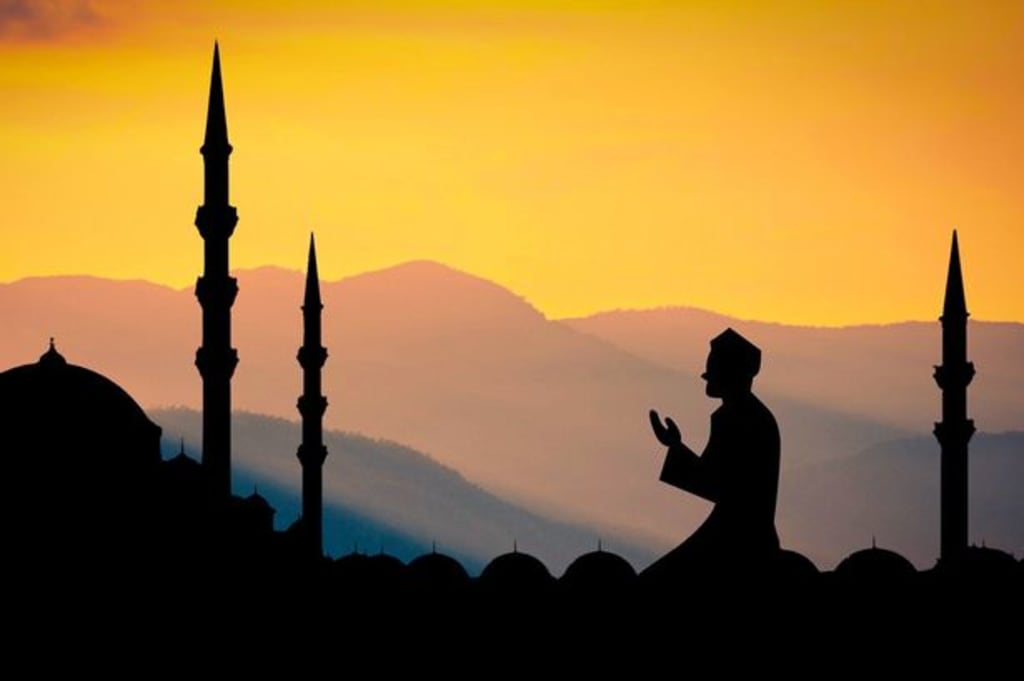
Ramadan is one of the most important months in the Islamic calendar, observed by millions of Muslims worldwide. It is a time of reflection, spiritual growth, and increased devotion to God. In this blog, we will explore what Ramadan is, why it is important, and how it is observed.
What is Ramadan? Ramadan is the ninth month of the Islamic calendar, which is based on the lunar cycle. It is believed to be the month in which the first verses of the Quran were revealed to the Prophet Muhammad. Muslims believe that during this month, the gates of heaven are open, and the gates of hell are closed, and that God's mercy and forgiveness are more accessible than at any other time of the year.
Why is Ramadan important? Ramadan is important because it is a time of spiritual reflection and self-discipline. Muslims believe that by fasting, they can purify their souls, increase their devotion to God, and become closer to Him. It is also a time for Muslims to remember the less fortunate and to give to charity, as fasting teaches empathy and compassion for those who are hungry and in need.
How is Ramadan observed? The most significant aspect of Ramadan is fasting, which is one of the Five Pillars of Islam. Muslims are required to fast from dawn until sunset every day during the month of Ramadan. This means that they cannot eat, drink, smoke, or engage in sexual activity during daylight hours. Fasting is not just about abstaining from food and drink, but also from negative thoughts, actions, and emotions. Muslims are encouraged to practice patience, kindness, and forgiveness during this time.
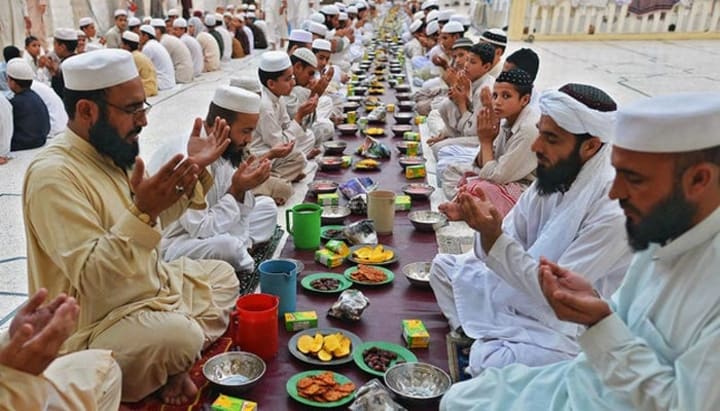
In addition to fasting, Muslims also engage in increased prayer and spiritual reflection during Ramadan. Many Muslims attend nightly prayers at the mosque, where the entire Quran is recited over the course of the month. It is also a time for Muslims to engage in charitable acts, such as giving to the poor and feeding the hungry.
One important aspect of Ramadan is the concept of self-control and discipline. Fasting teaches Muslims to exercise self-control over their physical desires and to develop discipline in their spiritual practices. This helps to develop a sense of willpower, which can be applied to other aspects of their lives beyond Ramadan. It also helps to break bad habits and create new healthy ones.
The act of fasting also helps Muslims to appreciate the blessings they have been given, including access to food and water. It helps to create a sense of empathy for those who may not have access to these basic needs, and encourages Muslims to be more giving and compassionate towards others.
During Ramadan, Muslims are also encouraged to engage in extra acts of worship and good deeds, such as reading the Quran, giving to charity, and performing acts of kindness towards others. These acts are believed to be multiplied in reward during this month, making it a particularly special time for spiritual growth and development.
It is important to note that not all Muslims are required to fast during Ramadan. Children, the elderly, pregnant or breastfeeding women, and those with certain medical conditions may be exempt from fasting. However, they are still encouraged to engage in acts of worship and good deeds during this time.

The end of Ramadan is marked by the celebration of Eid al-Fitr, which is a joyous occasion that includes prayer, feasting, and gift-giving. Eid al-Fitr is an opportunity for Muslims to celebrate the end of the month of fasting and to express gratitude for the blessings in their lives.
Ramadan is an important month for Muslims worldwide. It is a time of reflection, spiritual growth, and increased devotion to God. Fasting, increased prayer, and charitable acts are some of the key ways that Muslims observe Ramadan. It is a time for Muslims to purify their souls, become closer to God, and to remember those who are less fortunate. Eid al-Fitr marks the end of Ramadan and is a time for celebration and gratitude.
Finally, Ramadan is not just a time of personal reflection and spiritual growth, but also a time for community building. Muslims often come together to break their fasts with family, friends, and members of their community. This helps to strengthen bonds and build a sense of solidarity among Muslims worldwide.
In conclusion, Ramadan is a significant month in the Islamic calendar that is observed by millions of Muslims around the world. It is a time for spiritual growth, self-discipline, and increased devotion to God. Fasting, extra acts of worship and good deeds, and community building are key aspects of Ramadan. It is a time for Muslims to reflect on their blessings, develop empathy and compassion for others, and strengthen their bonds with their communities.
About the Creator
Abdullah Asif
"Every great creation starts with a single idea. Nurture that idea, and watch it bloom into something truly magnificent."
Keep reading
More stories from writers in Education and other communities.
Leading with Insight: Always Informed by Professional Development and Market Trends
The workplace is changing faster than ever. Technology, customer needs, and job roles are constantly shifting. To keep up, workers and leaders must continually stay informed through professional development and market trends. It’s not just about learning — it’s about staying ready.
By Stacey Yim3 days ago in Education
Connecting Care and Leadership: Bridging the Gap Between Clinical Practice and Operational Strategy
Healthcare organizations rely on both clinical excellence and sound operational strategy to function effectively. Clinical teams focus on delivering safe, compassionate, and timely care, while operational leaders manage resources, workflows, and long-term planning. These responsibilities are deeply interconnected, yet they often develop separately. Bridging this gap is essential for building healthcare systems that respond smoothly to patient needs while maintaining stability and efficiency. Strong communication and collaboration between clinical and operational leaders help unify goals and ensure that strategies reflect real-world demands.
By Craig Kent6 days ago in Education



Comments
There are no comments for this story
Be the first to respond and start the conversation.