
Raising Kids in the Age of AI: Skills Every Parent Should Teach
Equipping the Next Generation with Essential Skills for an AI-Driven World

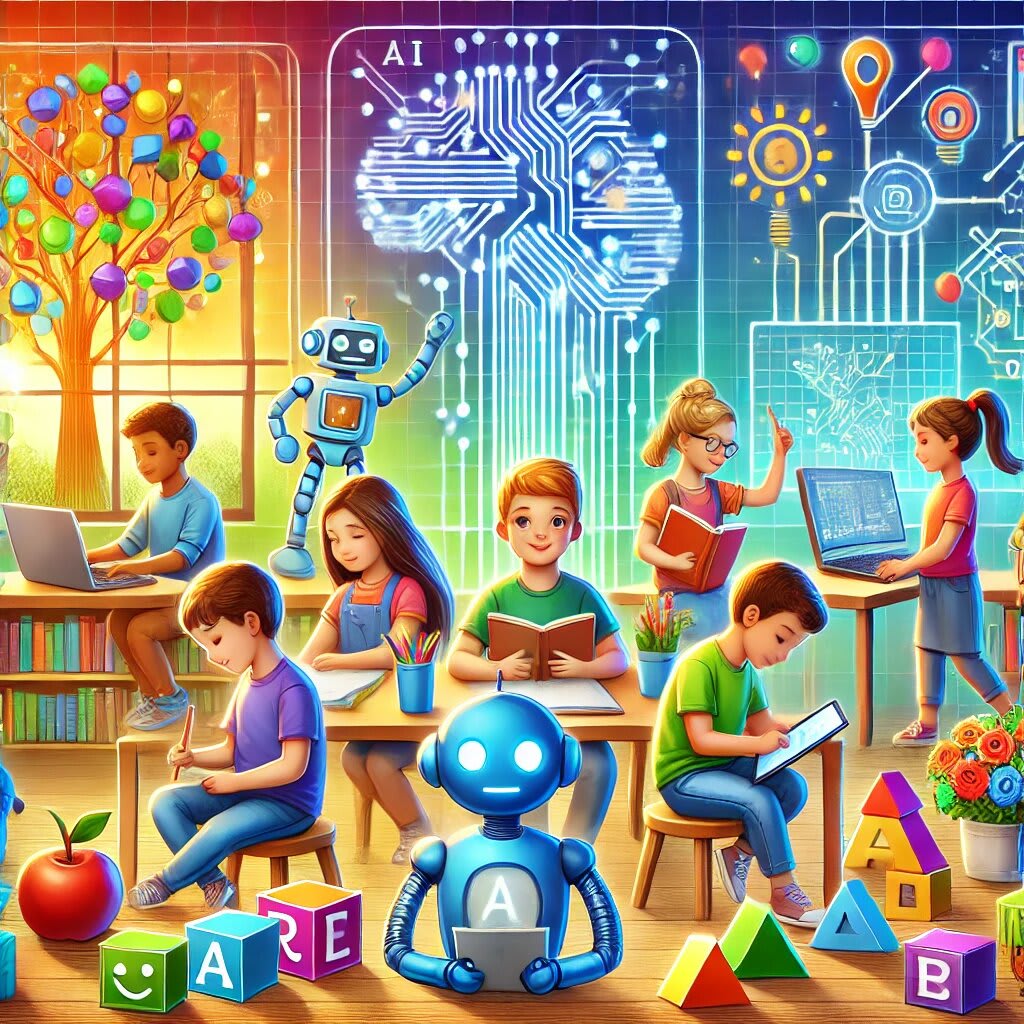
Raising Kids in the Age of AI: Skills Every Parent Should Teach
As artificial intelligence (AI) rapidly reshapes the world, the way we work, learn, and live is transforming. For parents, this raises an important question: how can we prepare our children to thrive in an AI-driven future? While technology will continue to evolve, equipping kids with the right skills and mindset will help them navigate this changing landscape with confidence.
Here’s a guide to the essential skills every parent should teach their kids to succeed in the age of AI.
1. Critical Thinking and Problem-Solving
AI excels at processing data and automating tasks, but it still relies on human input for decision-making. Critical thinking and problem-solving skills will remain indispensable.
How to encourage this skill:
Encourage children to question the “why” and “how” behind things.
Introduce them to puzzles, strategy games, and logic-based challenges.
Discuss real-world problems and brainstorm solutions together.
2. Adaptability and Lifelong Learning
AI is advancing so quickly that the jobs your children may have in the future likely don’t exist yet. Teaching kids to embrace change and continually learn will prepare them for uncertainty.
Tips for fostering adaptability:
Celebrate curiosity by exploring new topics and hobbies.
Show that mistakes are opportunities to learn rather than failures.
Enroll them in extracurricular activities that expose them to diverse experiences.
3. Digital Literacy
Understanding and using technology safely and effectively is a foundational skill in the AI age. Kids must know not just how to use tools like AI but also how to evaluate the information they receive.
What to teach:
Basics of coding and programming using kid-friendly platforms like Scratch or Code.org.
How to verify the credibility of online information.
The importance of online privacy and cybersecurity.
4. Emotional Intelligence (EQ)
AI may handle data, but it can’t replicate the human ability to empathize, connect, and understand emotions. Emotional intelligence will give your child a competitive edge in both personal and professional settings.
How to nurture EQ:
Teach them to recognize and express their emotions effectively.
Encourage empathy by discussing others’ perspectives during family conversations.
Practice conflict resolution skills through role-playing scenarios.
5. Collaboration and Teamwork
In a future where humans and AI work together, teamwork and collaboration will be more important than ever. Kids should learn to work well with others, including people from diverse backgrounds.
Ways to build this skill:
Encourage participation in group activities, sports, or community projects.
Teach the importance of sharing responsibilities and valuing different opinions.
Introduce collaborative games or projects at home.
6. Creative Thinking
While AI can generate ideas, humans remain the ultimate creators. Creativity will be a sought-after skill in designing solutions, developing innovations, and telling stories in unique ways.
Fostering creativity:
Provide unstructured time for imaginative play.
Encourage artistic pursuits like drawing, music, or writing.
Ask open-ended questions like, “What would you do if you could invent something new?”
7. Ethics and Values
As AI becomes more prevalent, ethical dilemmas will arise. Teaching children to make decisions grounded in strong values will help them navigate the challenges of technology responsibly.
Key lessons:
Discuss topics like fairness, privacy, and the consequences of AI bias.
Teach them to think about how their actions, including those online, affect others.
Encourage them to stand up for what is right, even when it’s difficult.
8. Time Management and Focus
AI tools can help with efficiency, but the ability to manage time and stay focused is a human skill that complements technology. Kids need to balance their use of tech with real-world responsibilities.
Teaching time management:
Use tools like planners or apps to help them organize tasks.
Set boundaries on screen time to ensure they prioritize other activities.
Teach them to break down big projects into manageable steps.
9. Understanding AI Basics
While not every child needs to become an AI expert, understanding how AI works will help them navigate its influence on their lives. This includes knowing what AI can and cannot do.
How to introduce AI concepts:
Use age-appropriate explanations of AI, such as how voice assistants like Siri or Alexa work.
Explore educational AI tools like Duolingo or AI-driven storytelling apps.
Discuss examples of AI in everyday life, such as self-driving cars or personalized ads.
10. Resilience and Perseverance
In an AI-powered world, resilience will be critical as children face challenges, changes, and even failures. The ability to persevere will help them adapt to setbacks and keep pushing forward.
Building resilience:
Share stories of famous individuals who overcame failures.
Encourage them to tackle tasks that may be difficult at first.
Support them in seeing setbacks as learning opportunities.
Conclusion: Empowering the Next Generation
Preparing children for the age of AI is about more than teaching them to use technology. It’s about equipping them with timeless skills like creativity, emotional intelligence, and adaptability. These skills will help them thrive in a world where AI is a tool, not a replacement for human ingenuity.
As parents, your role is to guide, support, and inspire your children to embrace the opportunities and challenges of the future. By fostering these essential skills, you’ll help them become resilient, thoughtful, and capable individuals ready to lead in the age of AI.
Start small, be consistent, and watch as your child grows into a confident, well-rounded individual in this exciting new era.
About the Creator
Dr.Writes
I’m a healthcare practitioner who loves sharing simple tips and ideas to help people live healthier, happier lives. My background in health allows me to break down complex topics into easy-to-understand advice that anyone can use.




Comments
There are no comments for this story
Be the first to respond and start the conversation.