
Rain Brings Relief to LA Wildfires but Raises New Dangers
Rain brings hope but also danger to wildfire-affected regions, with risks of mudslides, toxic runoff, and health hazards from debris.

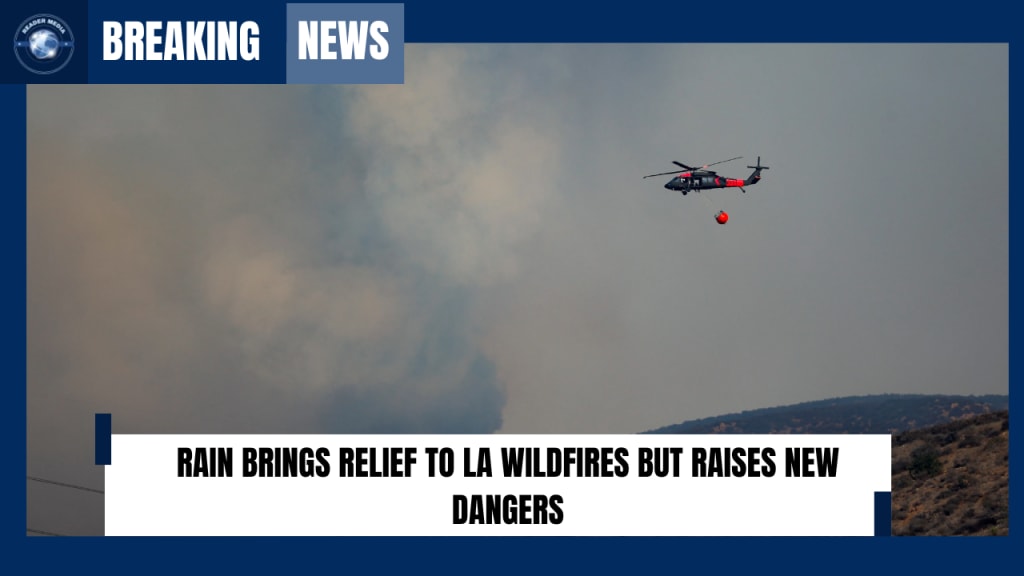
The much-needed rain falling over Los Angeles and Ventura Counties has brought some relief to the firefighters battling multiple wildfires. However, officials are urging residents to remain cautious as the rain also increases the risk of mudslides, debris flows, and toxic ash runoff.
Rainfall in Fire-Affected Areas
The National Weather Service (NWS) has issued a flood watch for areas affected by recent wildfires. This watch is in effect from Sunday at 4:00 p.m. PDT through Monday at 4:00 p.m. PDT, covering regions with burn scars from the fires. These burn scars, left behind by the fires, are particularly vulnerable to rain, as the ground has lost its ability to absorb water effectively.
Los Angeles and Ventura Counties are expected to receive between 0.75 to 1 inch of rain, with 1.5 to 3 inches forecast for the mountainous areas. Other areas, such as San Luis Obispo and Santa Barbara Counties, are also likely to experience rainfall. The possibility of thunderstorms, small hail, and waterspouts along the California coast adds to the challenges.
The NWS warns that heavy rain over burn scars can trigger dangerous mudslides and debris flows. Residents are urged to follow local officials' instructions and be prepared to evacuate if necessary.
Risks from Mudslides and Toxic Runoff
Mudslides and debris flows are some of the most significant dangers following heavy rain in fire-affected areas. According to the California Department of Forestry and Fire Protection (Cal Fire), fast-moving mud, rocks, and debris can pose severe risks to homes, roads, and infrastructure.
Residents in areas impacted by the fires are advised to stay alert, have an emergency plan, and avoid driving through flooded or debris-covered roads. Officials recommend moving to higher ground if evacuation orders are issued.
Another major concern is the toxic runoff resulting from ash and debris. Burned vegetation, buildings, and vehicles leave behind hazardous materials, including heavy metals and chemicals. This toxic ash can spread further during rainstorms, contaminating water supplies and harming the environment.
Actions Taken by Officials
Local authorities are taking steps to minimize the damage caused by rain in wildfire areas. Los Angeles Mayor Karen Bass signed an emergency executive order directing city crews to install reinforced concrete barriers, lay down sandbags, and clear debris. These measures aim to stabilize burn areas and reduce the flow of hazardous runoff into water systems and the ocean.
“With rain in the forecast, it’s imperative we take aggressive action to prevent additional damage in burn areas and to protect our water and ocean from hazardous runoff,” Mayor Bass said in a statement.
Progress on Containing Fires
Firefighters have made significant progress in containing the wildfires. According to Cal Fire, the Palisade Fire is now 87% contained, the Eaton Fire is 95% contained, and the Hughes Fire, which began on Wednesday morning, is 92% contained. Despite these advancements, the damage caused by the fires remains a challenge for affected communities.
Health Hazards from Fire Damage
Wildfire damage goes beyond destroyed structures and scorched landscapes. The ash and debris left behind pose serious health risks. According to Dr. Barbara Ferrer, Director of Los Angeles County Department of Public Health, wildfire ash contains harmful substances like asbestos, heavy metals, and toxic chemicals.
“Heavy metals such as lead and arsenic can come from burned electronics and building materials. Even brief exposure can cause skin irritation and lead to more serious health issues,” Dr. Ferrer explained.
Residents returning to fire-damaged areas should take precautions to protect their health. Officials recommend wearing N95 masks to avoid inhaling harmful particles, along with goggles to protect the eyes. Long-sleeved shirts, long pants, and gloves can also shield the skin from exposure to ash and debris.
Cleaning Up After the Fires
Cleaning up after a wildfire is a dangerous process. The U.S. Centers for Disease Control and Prevention (CDC) advises residents to avoid removing hazardous debris without professional assistance. Personal protective equipment, including masks, goggles, gloves, and sturdy clothing, is essential during cleanup efforts.
Authorities are also working to safely dispose of hazardous materials from burned areas. The Environmental Protection Agency (EPA) has joined local agencies in clearing debris and ensuring that toxic substances are handled properly.
Staying Safe During Cleanup and Recovery
For residents returning to their homes, safety is a top priority. Here are some tips from health and safety experts:
Wear Protective Gear: Use an N95 mask, goggles, gloves, and long clothing to minimize exposure to ash and debris.
Monitor Air Quality: Keep an eye on local air quality reports and wear masks if smoke or dust lingers in the air.
Avoid Handling Hazardous Materials: Do not attempt to remove hazardous debris without professional help.
Prepare for Flood Risks: Have sandbags and emergency supplies ready in case of flooding.
Follow Official Guidance: Always adhere to evacuation orders and instructions from local authorities.
Moving Forward
While the rain offers a respite from the ongoing wildfires, it also brings new challenges to the affected communities. Officials and residents must remain vigilant to minimize the risks posed by mudslides, debris flows, and toxic ash.
As recovery efforts continue, it’s essential to prioritize health and safety while rebuilding homes and communities. By staying prepared and following expert advice, residents can navigate these challenges and work toward recovery.
Disclaimer
This content has been created by an AI language model and is intended to provide general information. While we strive to deliver accurate and reliable content, it may not always reflect the latest developments or expert opinions. The content should not be considered as professional or personalized advice. We encourage you to seek professional guidance and verify the information independently before making decisions based on this content.
This information is sourced from NPR
About the Creator
Reader Media News
Welcome to Reader Media – your go-to source for the latest news, expert insights, and in-depth articles across business, tech, health, entertainment, sports, and more. Stay informed and engaged with the world through quality content.
Keep reading
More stories from Reader Media News and writers in Education and other communities.
Trump Signs Orders Recognizing Lumbee Tribe, Boosting Crypto and AI, and Pardoning Anti-Abortion Activists
On Thursday, President Donald Trump signed a series of executive orders addressing a diverse range of topics, including the recognition of the Lumbee Tribe of North Carolina, advancing artificial intelligence (AI) and cryptocurrency industries, and granting pardons to anti-abortion activists.
By Reader Media Newsabout a year ago in Education
Wuthering Heights uni module given content warning for students"
The 1847 novel Wuthering Heights has long been considered one of the most intense works in English literature. Written by Emily Brontë, the book explores obsession, revenge, cruelty and emotional torment on the Yorkshire moors. Now, nearly two centuries after its publication, the novel has become the center of a modern academic debate after a university module introduced a content warning for students studying the text.
By Fiaz Ahmed 4 days ago in Education
EdTech for Early Childhood Market to hit USD 55.6 Bn By 2034
EdTech for Early Childhood Market Overview The EdTech for Early Childhood Market was valued at USD 13.4 billion in 2024 and is projected to reach approximately USD 55.6 billion by 2034, expanding at a CAGR of 15.30% from 2025 to 2034. The increasing integration of digital learning tools into early childhood education is supporting this expansion. Educational technology platforms designed for young learners are helping educators deliver interactive learning experiences through digital content, educational games, and adaptive learning applications that support cognitive and language development.
By Roberto Crumabout 5 hours ago in Education




Comments
There are no comments for this story
Be the first to respond and start the conversation.