
Punjab Education in India: A Holistic Approach to Learning
Punjab Education
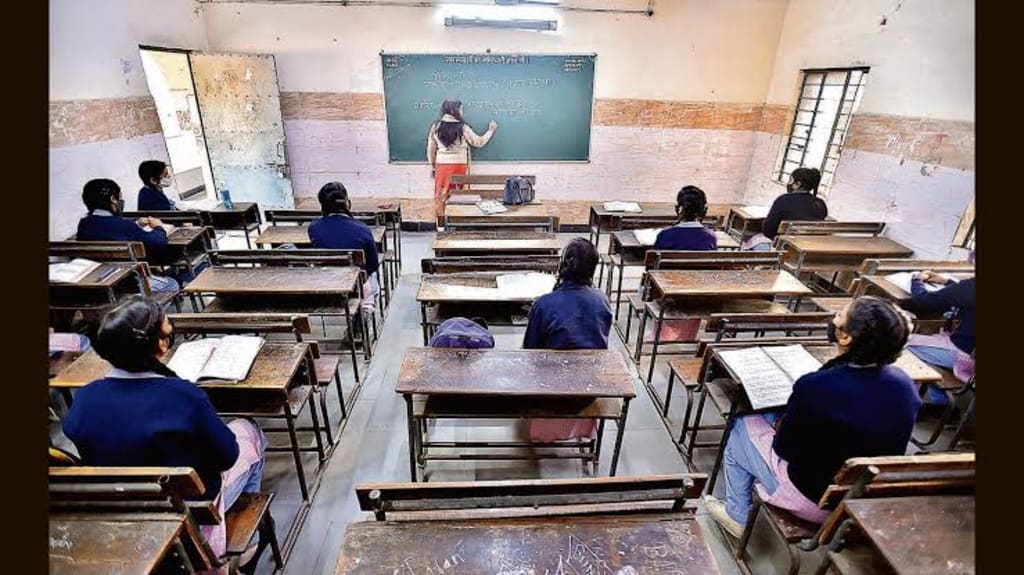
Education in Punjab, India, has undergone significant changes over the years, reflecting the state's commitment to improving literacy rates and providing quality education to all its citizens. From implementing state-run initiatives to promoting digital education platforms, Punjab has created a robust education system aimed at holistic development.
Historical Overview of Punjab's Education System
Punjab has always placed great importance on education. Historically, the Gurukula system was the foundation of learning, where knowledge was passed down through generations in a structured yet informal setting. Post-independence, Punjab rapidly modernized its education system, establishing numerous primary and secondary schools, colleges, and universities. Today, Punjab stands as one of the most educated states in India, with high literacy rates compared to the national average.
Current Educational Infrastructure
Punjab's education infrastructure includes a wide network of government and private schools, universities, and specialized institutes. Government initiatives like the Sarva Shiksha Abhiyan (SSA) and the Rashtriya Madhyamik Shiksha Abhiyan (RMSA) have significantly increased school enrollment rates and reduced dropout rates, especially in rural areas.
In addition, the state is home to prestigious universities such as Punjab University, Guru Nanak Dev University, and Punjabi University, which offer world-class education in fields ranging from science and technology to humanities and arts.
Key Challenges Facing Punjab's Education System
While the state has made considerable progress, several challenges remain:
1. Rural-Urban Divide: There is a noticeable gap in the quality of education between urban and rural areas. While urban centers boast modern schools with the latest technology and resources, rural schools often face a shortage of qualified teachers and proper infrastructure.
2. Dropout Rates: Despite government efforts, dropout rates at the secondary level remain a concern, especially among girls. Poverty, social issues, and a lack of vocational training options contribute to this issue.
3. Teacher Training: Quality education heavily depends on the availability of trained teachers. Punjab has been working to improve teacher training programs, but more efforts are needed to ensure that all schools have adequately trained staff.
Government Initiatives for Educational Development
Punjab has launched several initiatives to address these challenges and enhance the quality of education. One of the most notable programs is the Punjab Educare initiative, aimed at making education accessible through digital platforms. This program provides study materials, resources, and interactive tools for students, especially in remote areas.
Through the Punjab Educare app and website, students can access high-quality learning resources, reducing the gap between rural and urban education. By leveraging digital learning tools, the state aims to ensure that every student, regardless of their location or socio-economic background, has access to quality education.
In addition to digital initiatives, the Punjab government has been focusing on improving school infrastructure and providing scholarships to economically disadvantaged students. The aim is to make education not just accessible but also inclusive, encouraging students from diverse backgrounds to complete their schooling.
Role of Private Sector in Punjab's Education
Private institutions have played a significant role in complementing the government's efforts to improve education in Punjab. Several private schools and colleges in urban areas provide quality education, often exceeding national standards. Many private schools in the state offer modern amenities, international curricula, and holistic development programs, ensuring that students receive well-rounded education.
The collaboration between the public and private sectors in education has brought about a significant transformation in Punjab's learning ecosystem. This partnership is crucial to achieving the state's goal of ensuring every child receives a quality education.
Future of Education in Punjab
Looking ahead, the future of education in Punjab seems promising. The government's focus on digitization, vocational training, and skill development programs will help students prepare for the global job market. With the introduction of new teaching methodologies and the increasing role of technology in classrooms, Punjab is set to become a hub of modern education in India.
Moreover, initiatives like Punjab Educare are changing the face of education in the state. By promoting digital literacy and providing access to educational resources online, Punjab is not only bridging the education gap but also setting an example for other states to follow.
Conclusion
Education in Punjab has seen remarkable progress, with a strong focus on inclusivity, quality, and accessibility. The state government, through initiatives like Punjab Educare and improvements in infrastructure, has been working tirelessly to ensure that every child, whether from a rural village or an urban city, gets a fair chance at quality education.
To learn more about the educational resources available for students in Punjab, you can visit Punjab Educare, a platform that strives to make education accessible for all.



Comments
There are no comments for this story
Be the first to respond and start the conversation.