
"Protecting Your Nails and DNA from the Harmful Effects of UV Radiation"
Protecting your nail form "UV"
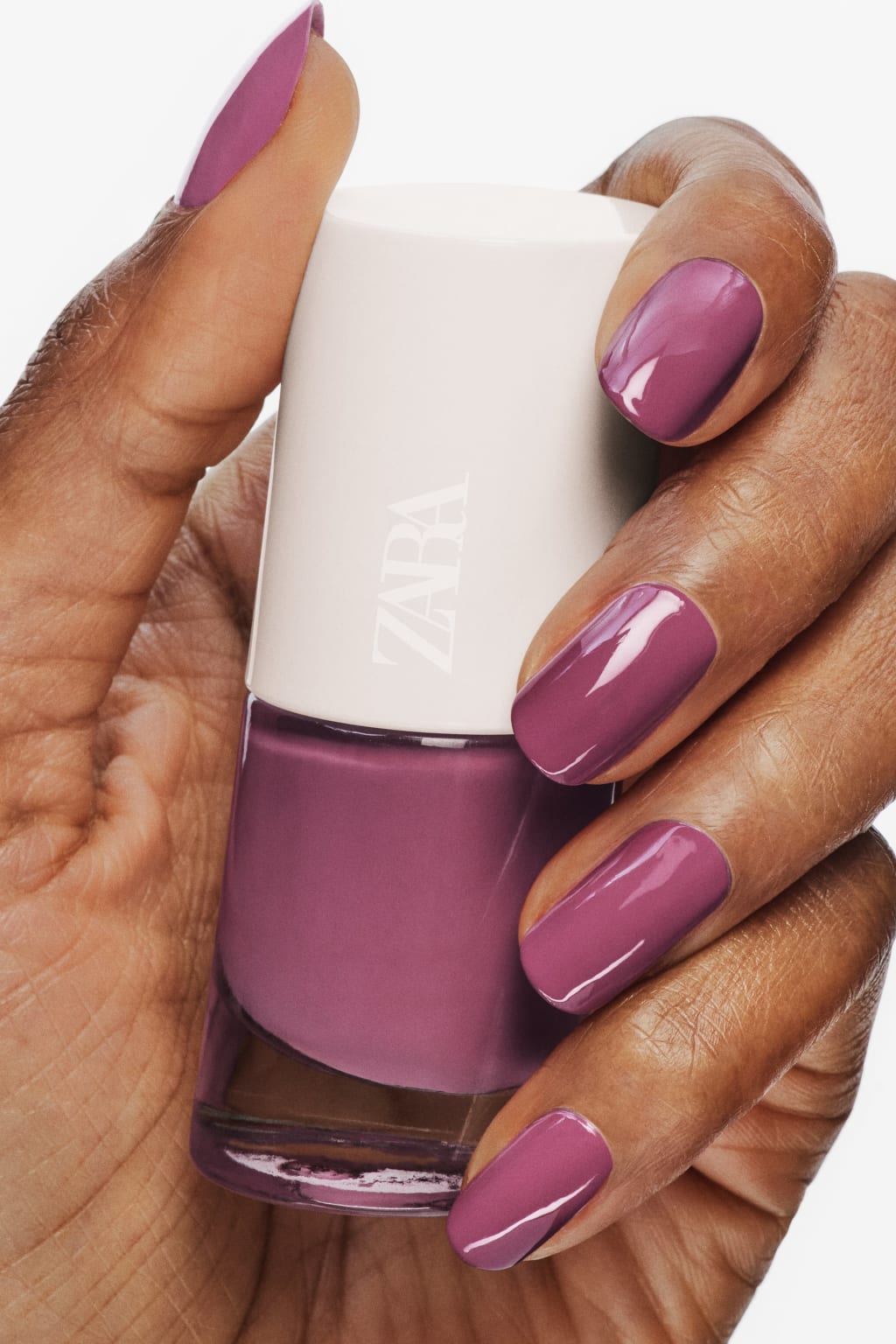
●SIDE EFFECTS OF UV RADIATION BY USING OF NAIL POLISH
▪︎Ultraviolet (UV) radiation is a type of electromagnetic radiation that can cause damage to DNA, leading to mutations.
▪︎Nail polish can help protect the nails from UV radiation by acting as a physical barrier.
▪︎However, it is important to note that nail polish can also contain chemicals that may be harmful to cells and DNA.
▪︎Therefore, it is important to use nail polish that is free of toxic chemicals and to avoid prolonged exposure to UV radiation to minimize potential DNA damage and mutation in cells.
●WHAT IS UV RADIATION?
▪︎Ultraviolet (UV) radiation is a type of electromagnetic radiation that is emitted by te sun and can also be found in artificial sources such as tanning beds.
▪︎UV radiation is divided into three main types: UVA, UVB, and UVC.
▪︎UVA radiation has the longest wavelength and is the most prevalent type of UV radiation that reaches the Earth's surface.
▪︎UVB radiation has a shorter wavelength and is responsible for sunburns, while UVC radiation has the shortest wavelength and is mostly absorbed by the Earth's ozone layer.
●UV AFFECTING DNA:
▪︎Exposure to UV radiation can cause damage to DNA, leading to mutations.
▪︎DNA is the genetic material that carries all the information needed for the growth, development, and reproduction of cells.
▪︎ When DNA is damaged, it can lead to the development of cancer and other diseases.
●DEFECTS USING NAIL POLISH
▪︎Nail polish can help protect the nails from UV radiation by acting as a physical barrier.
▪︎ It works by reflecting or absorbing UV radiation before it reaches the nails.
▪︎ However, it is important to note that not all nail polishes are created equal.
▪︎ Some nail polishes contain chemicals that may be harmful to cells and DNA.
▪︎ Examples of these chemicals include formaldehyde, toluene, and phthalates.
▪︎These chemicals can cause allergic reactions, respiratory problems, and even cancer.
▪︎ Therefore, it is important to use nail polish that is free of toxic chemicals and to avoid prolonged exposure to UV radiation to minimize potential DNA damage and mutation in cells.
▪︎Allergic reactions, such as itching, redness, and swelling
▪︎Discoloration of the nails
▪︎Dryness and brittleness of the nails
▪︎Foul odor from the nails
▪︎Peeling or chipping of the polish
▪︎It's important to note that some people may be more sensitive to certain ingredients in nail polish, such as formaldehyde, toluene, and phthalates, which can cause more severe side effects. It is also important to use nail polish in a well-ventilated area and avoid prolonged exposure to nail polish fumes.
●HOW TO PREVENT FROM UV?
▪︎In addition to protecting nails by using nail polish, it's also important to protect skin from UV radiation by using sunscreen and wearing protective clothing.
▪︎It's also important to limit exposure to UV radiation by staying in the shade during peak sun hours and avoiding tanning beds.
▪︎By taking these steps, you can help reduce your risk of developing skin cancer and other diseases caused by UV radiation.
▪︎Seek shade: The sun's rays are strongest between 10 am and 4 pm, so try to spend time in the shade during these hours.
▪︎Wear a hat: Wearing a hat with a wide brim can help to protect your face and neck from UV rays.
▪︎Wear sunglasses: UV radiation can also damage your eyes, so make sure to wear sunglasses that provide 100% UV protection.
▪︎Avoid tanning beds: UV radiation from tanning beds can be just as harmful as UV radiation from the sun.
▪︎Be aware of UV index: The UV index is a measure of the amount of UV radiation reaching the earth's surface. It's important to be aware of the UV index for your area, and to take extra precautions when the index is high.
▪︎It's also important to keep in mind that UV radiation can reflect off surfaces like water, sand, and snow, so you should still take precautions even if you're not directly in the sun.
About the Creator
This is what happens in your brain when you can't recall and word
You’re sure you know your third grade teacher’s name— it’s like you’re hovering over it in your mind, but it just won’t materialize. Researchers call this tantalizing torment a “tip-of-the-tongue state,” and it's something everyone experiences. But what's actually happening when a word gets caught here? And how can you best get it unstuck? Most of the time, our brains seamlessly summon words from vast stores of knowledge, paring their meaning and sounds, and stringing them into sentences.
By Munesh Yadav3 days ago in Education
How to Succeed at the Benson Directory®
Congratulations and welcome to the Benson Directory® employee #22391! As our newest call handler, you will have the privilege of speaking with dozens of unique and interesting people on a daily basis as well as the opportunity to earn bonuses for high performance. Contained within this handbook you will find a set of ease to follow instructions designed to help you settle in to your new role and begin paving the way to success.
By S. A. Crawford2 days ago in Fiction




Comments
There are no comments for this story
Be the first to respond and start the conversation.