
Proper Technique for Administering Antibiotic Ear Drops for Ear Infections
Understanding the Types of Ear Infections

Introduction:
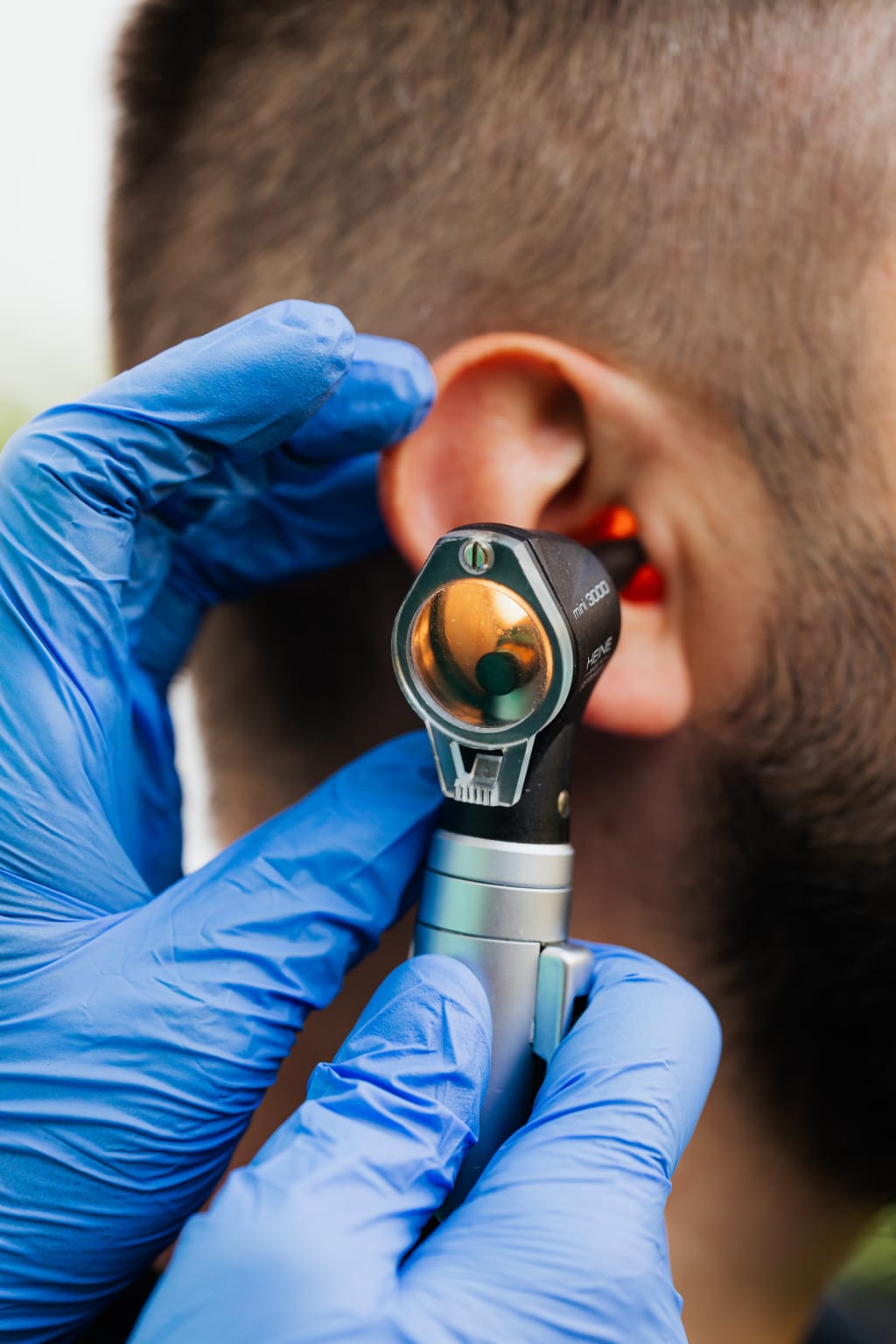
Ear infections are a common occurrence, affecting both children and adults. Antibiotic ear drops are often prescribed by healthcare professionals to treat various types of ear infections, including swimmer's ear and middle ear infections. Administering ear drops correctly is crucial to ensure the medication reaches the affected area and provides effective treatment. In this article, I will discuss a step-by-step guide to properly administering antibiotic ear drops, emphasizing the importance of tragal pumping for optimal results.
Understanding the Types of Ear Infections:
Ear infections can manifest in two primary forms: swimmer's ear and middle ear infections. Swimmer's ear affects the skin of the ear canal, while middle ear infections involve the eardrum and the space behind it. Swimmer's ear, also known as otitis externa, is often caused by water remaining in the ear after swimming or bathing, creating a moist environment that promotes bacterial growth. Middle ear infections, also called otitis media, typically occur due to a bacterial or viral infection that leads to the accumulation of fluid behind the eardrum.
Preparing for Administration:
Before administering ear drops, it is essential to gather the necessary supplies. Ensure you have the prescribed antibiotic ear drops, a tissue or paper towel, and a clean, comfortable environment for the procedure. Wash your hands thoroughly to maintain hygiene throughout the process.
Step 1: Positioning the Head:
To optimize the delivery of ear drops, position the affected ear by leaning the head over, so the ear is pointing straight up. This position facilitates the proper flow of the drops into the ear canal. It is best to perform this step while sitting or lying down to maintain balance and stability.
Step 2: Straightening the Ear Canal:
Gently pull the earlobe of the affected ear towards the top and back part of the head. This action straightens the naturally curved ear canal, allowing the drops to reach deeper into the ear canal. Be careful not to insert any objects, such as cotton swabs, into the ear canal, as they can cause injury or push debris further inside.
Step 3: Administering the Drops:
Shake the antibiotic ear drop bottle to ensure proper mixing of the medication. Warm the bottle to body temperature by holding it in your hand for a few minutes. Once ready, carefully squeeze the prescribed number of drops into the ear canal. The warmed drops improve comfort and reduce dizziness caused by temperature differences. Follow the instructions provided by your healthcare professional regarding the dosage and frequency of the drops.
Step 4: Tragal Pumping:
To enhance the dispersion of the drops throughout the ear canal, it is crucial to perform tragal pumping. The tragal cartilage, located just in front of the ear canal, should be gently pumped several times to force the drops deeper into the ear canal. This action helps overcome the surface tension that causes the drops to remain near the entrance of the ear canal. Tragal pumping is particularly important for middle ear infections when a hole or tube is present in the eardrum, as it facilitates the passage of drops into the infected space.
Importance of Tragal Pumping:
Tragal pumping plays a significant role in allowing the antibiotic ear drops to reach the infection site. In the case of middle ear infections, where pus accumulates behind the intact eardrum, a hole or tube must be present to facilitate drainage. By pumping the tragal cartilage, the drops can gently pass through the tube or hole, reaching the infected area effectively. Without tragal pumping, the drops may not reach the desired location, reducing their effectiveness in treating the infection.
Step 5: Allowing Gravity to Disperse the Drops:
After administering the drops and performing tragal pumping, keep
the head tilted for 2-5 minutes. This allows gravity to disperse the ear drops thoroughly throughout the ear canal. By maintaining the head in this position, the medication can flow deeper into the ear canal and come into contact with the infected area, maximizing its therapeutic effect. Avoid touching or manipulating the ear during this time to prevent the drops from leaking out.
Removing Excess Ear Drainage:
In cases where excessive ear drainage is present, it is advisable to wick as much of the drainage out of the ear canal before administering the drops. Use a rolled-up corner of a tissue or paper towel and gently insert it into the ear canal to absorb the excess fluid. This step facilitates the penetration of the antibiotic ear drops into the deeper regions of the ear, ensuring better contact with the infected area.
Middle Ear Infections and Eardrum Perforation:
It is important to note that antibiotic ear drops designed for middle ear infections will only work if a hole or tube is present in the eardrum. In middle ear infections, the accumulation of infected pus occurs behind the eardrum, which remains enclosed in the absence of a perforation. However, when a hole or tube is present, pus can escape through it, and ear drops can enter the space to treat the infection. Tragal pumping becomes particularly crucial in this scenario to ensure effective delivery of the medication.
Conclusion:
Proper administration of antibiotic ear drops is vital for the successful treatment of ear infections. By following the step-by-step guide outlined above, you can ensure that the drops reach the affected area and provide optimal results. Remember to position the head correctly, straighten the ear canal, administer the drops, perform tragal pumping, and allow gravity to disperse the medication thoroughly. Additionally, consider removing excess ear drainage if necessary. By understanding the importance of each step, you can promote faster healing and alleviate the discomfort associated with ear infections. Always consult with a healthcare professional for guidance and follow the prescribed treatment plan for the best possible outcome. With the correct technique, antibiotic ear drops can effectively combat ear infections and promote ear health.
About the Creator
Keep reading
More stories from Samreen Saleem and writers in Education and other communities.
Sinusitis
Introduction: Sinusitis, also known as a sinus infection or rhinosinusitis, is a common condition that affects millions of people worldwide. It occurs when the paranasal sinuses, which are air-filled cavities located in the bones of the skull, become inflamed and blocked. This inflammation leads to a range of symptoms, including nasal congestion, headache, facial pain, and pressure. In this comprehensive article, I will delve deeper into the causes, symptoms, treatment options, and prevention strategies for sinusitis.
By Samreen Saleem3 years ago in Education
Olena Kalaitan on Mariupol, Journalism, Language, and War in Ukraine
Olena Kalaitan is a Ukrainian journalist and editor best known for leading Mariupol’s Pryazovskyi Robochyi newspaper and heading the Donetsk regional organization of the National Union of Journalists of Ukraine. During Russia’s 2022 siege of Mariupol, she stayed in the city for 23 days, survived the destruction of her home, and escaped on foot with her son. She later became a prominent voice for displaced journalists, media freedom, and the revival of independent Ukrainian journalism in occupied and war-affected regions. Kalaitan has also warned publicly against Russian propaganda issued under the stolen name of her newspaper during wartime occupation there.
By Scott Douglas Jacobsenabout 23 hours ago in Education
Creating Connections: How Churches Unite People Beyond Sunday
For many people, church is more than a place for worship. It becomes a center where relationships grow, and communities find strength. Creating Connections: How Churches Unite People Beyond Sunday reflects the idea that church life extends far beyond weekly gatherings. It provides opportunities for people to support one another, share experiences, and develop meaningful friendships.
By Mike Signorelliabout 4 hours ago in Education



Comments
There are no comments for this story
Be the first to respond and start the conversation.