
Procurement transformation
Supply Chain Procurement

Procurement transformation is a strategic process that involves changing the way a company procures goods and services. It typically involves a comprehensive overhaul of procurement processes, policies, and systems in order to achieve a more efficient and effective procurement function.
The goals of procurement transformation can vary depending on the specific needs of the company, but may include:
Cost savings: By optimizing procurement processes and negotiating better prices with vendors, a company can reduce the overall cost of goods and services.
Improved supplier relationships: By developing stronger relationships with suppliers, a company can ensure a reliable supply of high-quality goods and services.
Increased efficiency: By streamlining procurement processes and automating tasks, a company can reduce the amount of time and resources required to complete procurement tasks.
Enhanced visibility: By implementing better procurement analytics and reporting, a company can gain greater visibility into their spending and identify areas for improvement.
Procurement transformation typically involves a collaborative effort between procurement, finance, and other departments within the company. It may require changes to the company's culture, processes, and technology, and may take several years to fully implement. However, the benefits of procurement transformation can be significant and can help a company achieve a competitive advantage in their industry.
At present, the general perspective of others on procurement functions, people, process, and technology has been changed. Even it’s changing slowly, and a drastic change depends on the way procurement professionals demonstrate their visible and nonvisible values to their internal customers.
The transformation of people and process is key for any companies to stay efficient and competitive, both having their challenges but nothing like experiencing way much better than what we use to had before transformation.
Drastic change in others’ perspective about procurement depends on the procurement professional’s high performance on their expected deliverables to the business apart from cost savings and simplified effective process that clear the issues. Technology frees up energy on nonvalue-added activities.
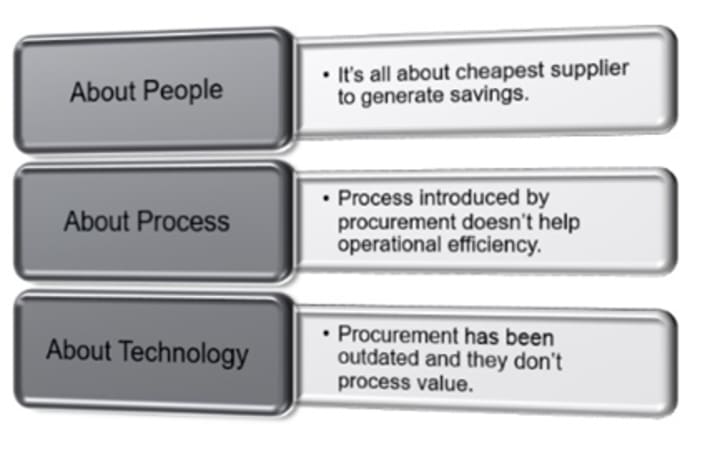
Let’s understand what needs to be done in the case of people, process and technology to change the general perception of others on the procurement function and help to transform procurement functions to be value-added business partner.
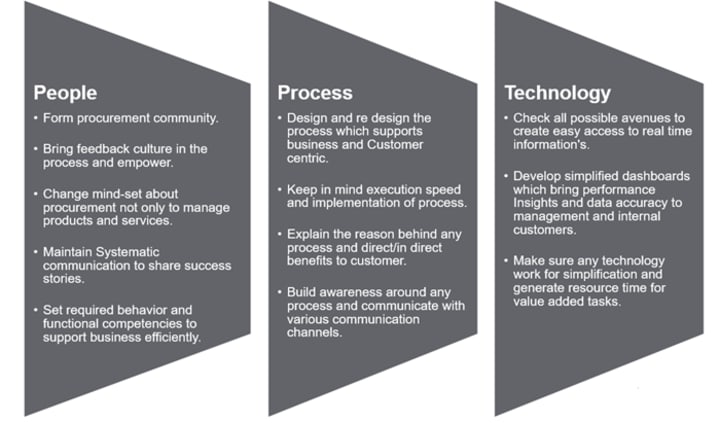
Here we will see how the procurement transformations can be carried out regardless of the size of the company and different business segments and models.
From my experience, procurement transformation journey can be divided into four main steps: initiating, performing, maintaining, and delivering. I have led many procurement transformations following these steps, which brings me promising results as well. Just remember one thing, time frame for each step depends on your company’s overall maturity level in procurement function and type of the organization you are in.
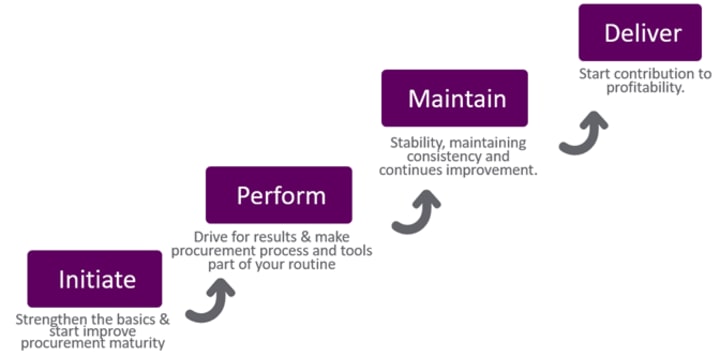
Hence, before initiating the procurement transformation, I advise to have a thorough self-assessment to know your maturity level on main and micro-level deliverables that are expected in these steps and get your validated transformation plan with your management.
Key ingredients of procurement transformation:
Following are some of the key ingredients which help and are required for a successful execution of procurement transformation.
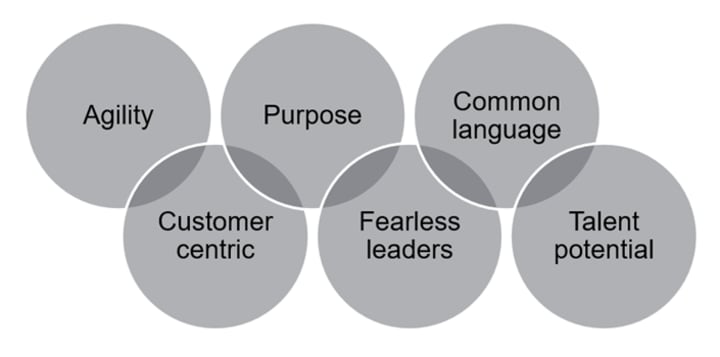
Agility: The ability to move about quickly and easily. World-class footballers in a world class team have the combination of speed and agility right!
Customer centric: Putting your customers and their needs at the heart of your vision. “Get closer than ever to your customers. So close that you tell them what they need well before they realize it themselves.” – Steve Jobs
Purpose: Having meaningful initiatives and clarity about each transformational action, clear road map and expected success by sharing the same intention regarding other functions. Clarity is about understanding how processable your communication is.
Common language: Making the transformation plan simply understandable, spoken and written by everyone.
Fearless leaders: Transformational leaders process energy, seek outgrowth opportunities, have no fear of failure, take calculated risks, can take quick decisions, trust their instinct and learn from their mistakes.
Talent potential: Assessing and setting the maturity level at good level on all needed competencies to run the transformation successfully.
About the Creator
Sendil Arasu Vijaya Kumar
I attained bachelor degree in mechanical engineering and master degree in marketing management, having 21 Years of professional work experience. International exposure in Supply Chain Procurement domain. Author of "The Procurement Acumen"
Keep reading
More stories from Sendil Arasu Vijaya Kumar and writers in Education and other communities.
Entrepreneurial mind-set for procurement professionals
“Financials come as a result. So, like what’s the point of a company at all? Why even have companies? It’s like, a company is assembly of people gathered to create a product or service and deliver that product or service. As some time, people lost sight of that.
By Sendil Arasu Vijaya Kumar3 years ago in Education
The Comfort of Arrival: Why Certain Destinations Instantly Feel Familiar
There are moments in travel that defy logic. You arrive in a place you have never visited before, step onto its streets, breathe in its air, and suddenly feel at ease. There is no adjustment period, no sense of being out of place. Instead, there is a quiet recognition, as if the destination has been waiting for you. This feeling of instant belonging is not accidental, nor is it purely romantic imagination. It is the result of emotional, cultural, psychological, and environmental factors working together to create a sense of home far from home.
By Producer James Simon7 days ago in Education
The Proven Natural Skincare Secret with Healthy Skin
Healthy skin does not come from harsh products or complicated routines. It comes from working with nature, not against it. The natural skincare secret that many people overlook is the power of raw honey as a daily skin ally. This simple ingredient has been used for generations, yet many still do not understand its effectiveness. When used correctly, raw honey can change how your skin looks and feels.
By Kelln Small7 days ago in Education
Wild Card Weekend Recap: What Happens Now?
I think I figured out why I love Wild Card Weekend so much. It's because it's the first playoff anything of the calendar year. The NFL season starts in the fall, and once upon a time, the champion was crowned either on or slightly before New Year's. The evolution of the NFL schedule has resulted in the playoffs starting just into the New Year, and currently, the final week of the season falls on the first weekend of the New Year, with Wild Card Weekend coming a week after that. So yes, chronologically, the NFL's Wild Card Weekend serves as the first playoff anything of the calendar year.
By Clyde E. Dawkins7 days ago in Unbalanced



Comments
There are no comments for this story
Be the first to respond and start the conversation.