
Probiotic Supplements May Reduce Negative Emotions in Healthy Adults
"Exploring the Link Between Gut Health and Emotional Well-being Through the Power of Probiotics"
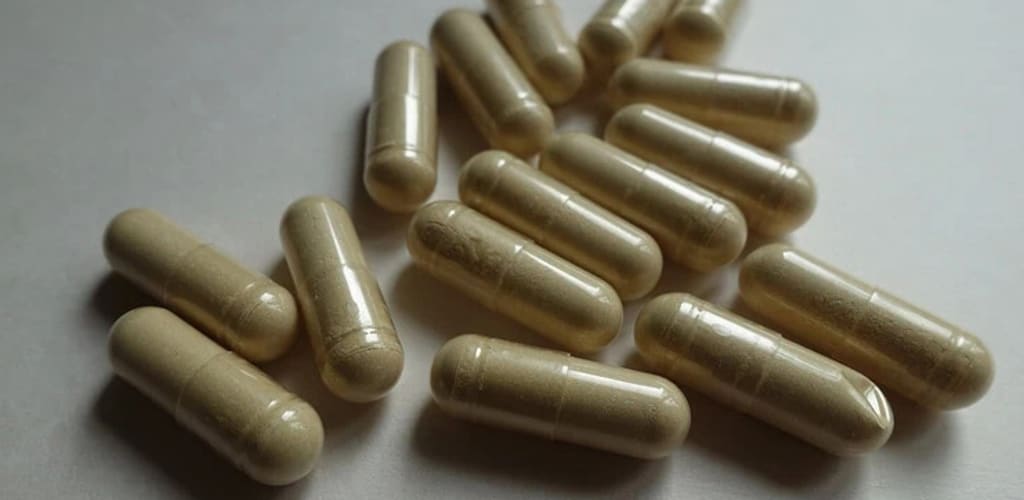
In recent years, the relationship between gut health and mental well-being has captured the attention of scientists and the public alike. A growing body of research indicates that probiotics—supplements containing beneficial live bacteria—might not only support digestive health but also positively influence mood and emotional balance. Specifically, evidence suggests that taking probiotic supplements can help reduce negative emotions such as stress, anxiety, and mild depressive symptoms in otherwise healthy adults.
The Gut-Brain Axis: A Two-Way Street
At the center of this discovery is the gut-brain axis—a sophisticated, bidirectional communication network that links the gastrointestinal system to the central nervous system. This connection allows the brain and the gut to exchange signals through neural, hormonal, and immune pathways. Importantly, the gut houses trillions of microorganisms that play key roles in health, including the production of neurotransmitters such as serotonin, which helps regulate mood, about 90% of the body’s infect serotonin is produced in the gut.
When the gut microbiome is unbalanced—due to poor diet, stress, illness, or other factors—it can disrupt these signaling pathways. Such disturbances have been linked to various psychological issues, including depression, anxiety, and increased emotional reactivity. Probiotics may help restore balance in the gut microbiota, potentially improving emotional health as a result.
Scientific Evidence: What the Research Shows
Several recent studies have explored how probiotics affect emotional well-being in healthy individuals. Though the science is still evolving, early findings are promising.
• A study published in Psychological Medicine examined the impact of a multi-strain probiotic on individuals experiencing moderate depression. Participants who took the probiotic supplement for four weeks reported improvements in mood and a reduction in emotional reactivity compared to those who received a placebo. This supports the idea that probiotics may aid in emotional regulation even in non-clinical populations.
• A 2020 meta-analysis in Brain and Behavior reviewed data from seven randomized controlled trials (RCTs) involving 1,146 healthy adults. The probiotic supplementation results showed significantly reduced subjective stress and improved subclinical symptoms of anxiety and depression. The researchers concluded that probiotics could serve as a safe and accessible tool for improving mental well-being in otherwise healthy people.
• Though not focused exclusively on healthy adults, a 2023 study published in Frontiers in Aging Neuroscience examined the effects of probiotics on Alzheimer’s patients. After consuming probiotic-enriched milk for 12 weeks, participants showed not only improved cognitive function but also better mood and reduced anxiety. This study suggests that probiotics might support emotional health across a wide range of ages and cognitive states.
How Do Probiotics Influence Emotions?
The exact biological mechanisms behind the emotional benefits of probiotics are not yet fully understood, but several theories have been proposed:
• Microbiota Modulation: Probiotics help balance the gut microbiome by increasing beneficial bacteria and suppressing harmful ones. A healthier gut environment may support improved mental health.
• Neurotransmitter Production: Some probiotic strains can boost the production of key neurotransmitters such as serotonin, dopamine, and GABA (gamma-aminobutyric acid), all of which play vital roles in mood regulation.
• Inflammation Reduction: Chronic inflammation has been linked to mood disorders. Promoting to healthy immune response and reducing inflammation, probiotics may lessen the neurological impact of systemic inflammation.
• Stress Hormone Regulation: Certain probiotic strains have been shown to reduce levels of cortisol, the body’s primary stress hormone, which can affect mood and emotional resilience.
Things to Keep in Mind
While the potential benefits of probiotics for emotional health are encouraging, they’re not a one-size-fits-all solution. The effectiveness of probiotics can vary depending on the specific strains used, the dosage, and individual differences such as diet, genetics, and existing health conditions.
Moreover, it’s important to remember that probiotics should not be viewed as a replacement for traditional mental health treatments. Instead, they may be best used as a complementary strategy alongside other approaches like therapy, medication, and lifestyle changes.
Final Thoughts
As scientific understanding of the gut-brain connection deepens, probiotic supplements are emerging as a potentially powerful tool for enhancing emotional well-being—even in people without clinical mental health issues. By supporting a balanced gut microbiome, probiotics may help foster a calmer, more resilient emotional state. For those looking for a natural way to support mental health, probiotics might be worth considering—with guidance from a healthcare provider to find the right strains and dosages.
About the Creator
Keep reading
More stories from Md. Ashraful Azad and writers in Education and other communities.
10 ‘Bad’ Foods That Help Lower Cholesterol, According to a Dietitian
When it comes to managing cholesterol, we’re often told to avoid certain “bad” foods—think eggs, nuts, or even dark chocolate. But not all foods with a questionable reputation are harmful. In fact, some of these so-called villains may actually support heart health and help lower cholesterol levels when eaten in moderation. Surprised? So were we. Here are 10 “bad” foods that can be surprisingly good for your cholesterol, according to dietitians.
By Md. Ashraful Azad11 months ago in Education
Purpose Driven Leadership: How Corporate Success Is Fueling Social Change
Business leaders are often recognized for their ability to build organizations, create economic growth, and guide companies through competitive markets. Yet in recent years, a growing number of executives and entrepreneurs have chosen to extend their influence beyond corporate success. Many are investing their time, expertise, and resources into philanthropic efforts that address social challenges and strengthen communities. This evolution reflects a broader understanding that leadership carries responsibilities not only to shareholders but also to society.
By John Olin Killgore4 days ago in Education



Comments
There are no comments for this story
Be the first to respond and start the conversation.