
Private vs. Public Nursery Schools: Which Is the Best Choice for Your Child?
Confused between private and public nursery schools? Discover the key differences, pros, and cons to make the best choice for your child's early education.

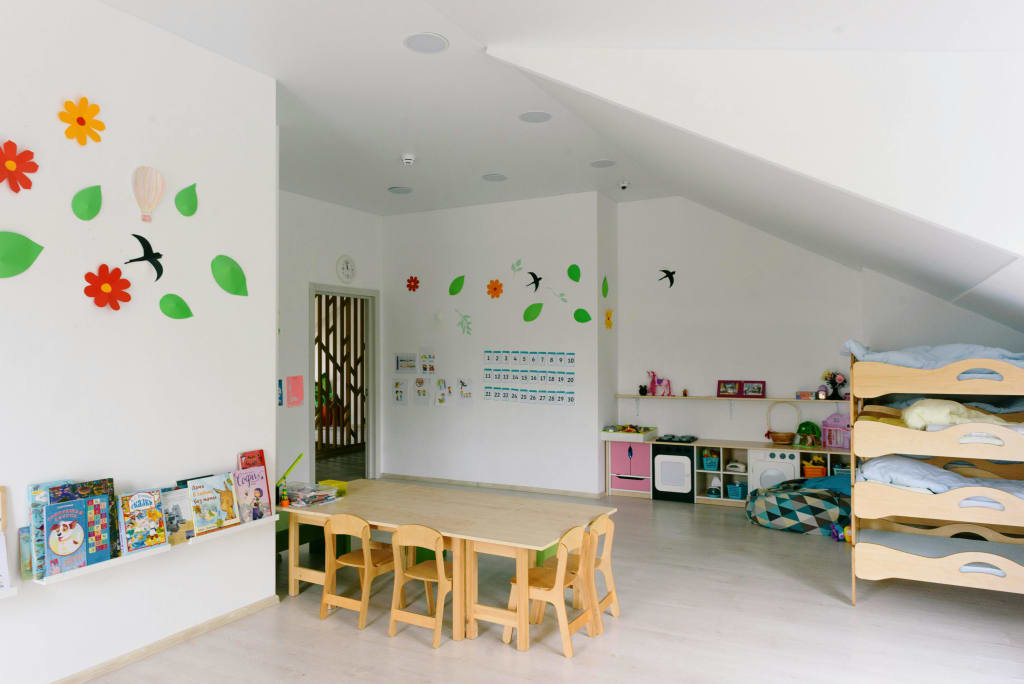
Choosing the right nursery school for your child is a crucial decision that can significantly impact their early development and future academic success. Parents often find themselves debating between private and public nursery schools. Each option has its own advantages and challenges, making it essential to weigh them carefully before making a choice.
Private nursery schools are known for their specialized curriculums, smaller class sizes, and personalized attention. On the other hand, public nursery schools are typically more affordable and follow state-mandated educational standards. But which one is the best choice for your child? In this article, we’ll compare private and public nursery schools to help you make an informed decision.
Understanding Private Nursery Schools
Private nursery schools are independently funded and operated, which allows them to offer more flexible and specialized educational programs. These schools are known for their high-quality facilities, smaller class sizes, and a focus on personalized learning experiences.
One of the key advantages of private nursery schools is their ability to choose their own curriculum. Many private nurseries adopt educational philosophies such as Montessori, Reggio Emilia, or play-based learning, which focus on holistic development, creativity, and critical thinking.
For example, Ruskin House Nursery in South London offers a nurturing environment with a curriculum designed to foster independence, curiosity, and emotional intelligence. By providing individual attention and a stimulating learning atmosphere, private nurseries help children develop a strong foundation for future academic success.
However, private nursery schools tend to be more expensive, as they rely on tuition fees rather than government funding. This cost may be a significant factor for many families.
Public Nursery Schools: An Overview
Public nursery schools are funded and regulated by the government, making them a more affordable option for many parents. These schools follow state-approved curriculums and maintain standardized teaching methods to ensure consistency in education.
Public nurseries are accessible to a larger population, often offering free or subsidized education for certain age groups. This makes them a popular choice for families seeking quality education without the financial burden of private tuition.
However, public nursery schools usually have larger class sizes and higher student-to-teacher ratios compared to private nurseries. This can limit individual attention and personalized learning experiences. Additionally, public nurseries may have fewer resources and extracurricular activities due to budget constraints.
Comparing Private and Public Nursery Schools
When deciding between private and public nursery schools, it’s essential to consider several factors:
Class Size and Student-to-Teacher Ratio
Private nursery schools generally maintain smaller class sizes, allowing for a low student-to-teacher ratio. This ensures that teachers can provide individualized attention and cater to each child’s unique learning needs.
In contrast, public nursery schools often have larger class sizes due to high demand and limited resources. This can impact the amount of attention each child receives, potentially affecting their learning experience.
Curriculum and Teaching Methods
Private nurseries have the flexibility to design their own curriculum and teaching methods. This allows them to adopt innovative educational philosophies that encourage critical thinking, creativity, and problem-solving skills.
For example, schools like Ruskin House Nursery focus on play-based learning, sensory exploration, and child-led activities that promote curiosity and independence. These approaches are designed to nurture the whole child—intellectually, socially, and emotionally.
Public nursery schools, on the other hand, follow standardized state curriculums that prioritize foundational skills such as literacy, numeracy, and social interaction. While these curriculums ensure consistency, they may lack the flexibility to adapt to individual learning styles.
Facilities and Resources
Private nursery schools typically offer state-of-the-art facilities, well-equipped classrooms, and a wide range of educational resources. They invest in age-appropriate learning materials, interactive technology, and safe outdoor play areas that encourage physical activity and imaginative play.
Public nursery schools may have more limited resources due to budget constraints. Although they provide essential learning materials, they might not have the same level of advanced facilities or extracurricular programs as private nurseries.
Teacher Qualifications and Experience
Private nursery schools often employ highly qualified and experienced teachers who receive ongoing training in early childhood education. These educators are skilled at recognizing individual learning styles and adapting teaching methods accordingly.
Public nursery schools also employ qualified teachers who meet state certification requirements. However, due to larger class sizes, teachers may face challenges in providing personalized attention and customized learning experiences.
Cost and Affordability
One of the most significant differences between private and public nursery schools is the cost. Private nurseries are funded through tuition fees, making them more expensive. These fees can vary widely depending on location, facilities, and educational programs.
For example, private nurseries in high-demand areas like schools in South London may have higher tuition rates. However, parents are paying for premium facilities, personalized education, and enhanced safety measures.
Public nursery schools are generally more affordable as they are funded by the government. Some public nurseries even offer free or subsidized education, making them accessible to families from various financial backgrounds.
Social and Emotional Development
Both private and public nursery schools aim to foster social and emotional development, but the approaches may differ. Private nurseries often emphasize emotional intelligence, self-regulation, and interpersonal skills through tailored social activities and play-based learning.
Public nurseries also focus on social skills, but with larger class sizes, children may face more competition for attention and peer interactions. This environment can still be beneficial for building resilience and adaptability.
Which Is the Best Choice for Your Child?
The choice between private and public nursery schools ultimately depends on your child’s needs, your family’s educational values, and your financial situation. If you prioritize personalized learning experiences, innovative teaching methods, and premium facilities, a private nursery school like Ruskin House Nursery might be the ideal choice.
On the other hand, if affordability, accessibility, and a standardized curriculum are more important, a public nursery school can provide a solid foundation for your child’s early education.
Visiting different schools, meeting with teachers, and understanding the learning environment can help you make an informed decision. Consider your child’s personality, learning style, and social needs to find the best fit.
Conclusion
Choosing the right nursery school is a significant step in your child’s educational journey. Both private and public nurseries offer unique advantages that cater to different family needs and preferences.
Private nursery schools provide personalized learning experiences, smaller class sizes, advanced facilities, and innovative curriculums. However, they come with a higher cost. Public nursery schools are more affordable and accessible, offering standardized education and social integration opportunities.
By evaluating the pros and cons of each option, parents can make an informed choice that best supports their child’s growth, development, and future academic success.
Read More :- Why Montessori Education in Herne Hill is Gaining Popularity Among Parents
About the Creator
William Henry
At Best Independent Schools UK, we are here to make your journey smoother by providing detailed information about some of the best nurseries and preparatory schools in England
Keep reading
More stories from William Henry and writers in Education and other communities.
What to Look for in a Private Nursery School: A Parent’s Checklist
Choosing the right private nursery school is one of the most important decisions parents make in their child’s early years. The right environment can lay a strong foundation for future learning, social development, and emotional well-being. With so many options available, knowing what to look for in a nursery school can be overwhelming.
By William Henryabout a year ago in Education
Why the Sun Will Become a Red Giant: The Future of Our Solar System Explained
Every morning, the Sun rises as it has for billions of years, bathing Earth in light and warmth. To us, it feels permanent and unchanging. Yet in the vast timeline of the universe, the Sun is only halfway through its life.
By shahkar jalal2 days ago in Education
Visionary Leadership Driving Patient-Centered Healthcare Innovation
Healthcare systems around the world are changing fast. New technologies, new treatment methods, and new patient expectations are shaping the future of medicine. In this environment, strong and forward-thinking leadership plays a critical role. Visionary leadership helps healthcare organizations focus on innovation while keeping patient needs at the center of every decision. Leaders who think beyond short-term goals help create systems that improve patient care, access, and outcomes.
By Dr. Janet Chollet3 days ago in Education




Comments
There are no comments for this story
Be the first to respond and start the conversation.