
Prevention and early detection of endometrial cancer
Endometrial cancer

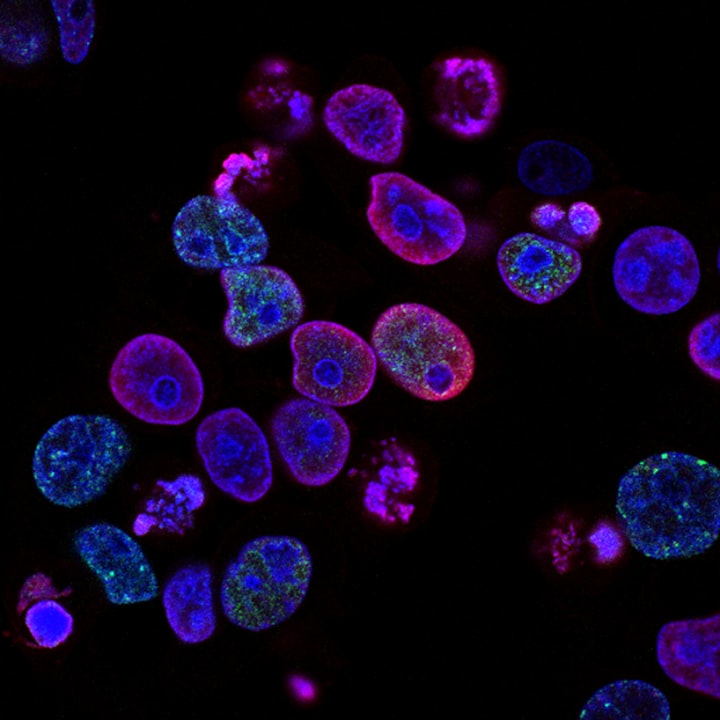
Prevention and early detection are important components of managing endometrial cancer. Endometrial cancer is a type of cancer that affects the lining of the uterus, and early detection and treatment can greatly improve the prognosis for patients. In this article, we will explore the various methods for preventing and detecting endometrial cancer, including lifestyle changes, medical monitoring, and screening tests.
Lifestyle Changes
One of the most important ways to reduce the risk of endometrial cancer is to maintain a healthy lifestyle. This includes maintaining a healthy weight, as obesity is a risk factor for endometrial cancer. Eating a diet that is low in fat and high in fruits and vegetables can also help reduce the risk of developing the disease. In addition, avoiding tobacco and limiting alcohol consumption can also help reduce the risk of endometrial cancer.
Exercise is also important in reducing the risk of endometrial cancer. Regular physical activity can help control weight and improve overall health, which can help reduce the risk of developing the disease. Women who have never had children or have a history of irregular periods may have a higher risk of endometrial cancer, and maintaining a healthy lifestyle can help reduce this risk.
Medical Monitoring
In addition to lifestyle changes, medical monitoring is an important aspect of preventing and detecting endometrial cancer. Women should have regular gynecological exams, including pelvic exams and pap smears, to monitor for any changes in their reproductive health. Women who have a family history of endometrial cancer or who have certain medical conditions, such as polycystic ovary syndrome, may benefit from more frequent monitoring.
Screening Tests
Screening tests are a crucial component of early detection for endometrial cancer. One common screening test is a pelvic exam, in which a doctor checks the uterus, ovaries, and other reproductive organs for any signs of abnormality. In addition, a pap smear can detect abnormal cells in the cervix, which can be an early sign of endometrial cancer.
Another important screening test for endometrial cancer is an endometrial biopsy. This involves removing a small sample of tissue from the uterus and examining it for abnormal cells. An endometrial biopsy can detect endometrial cancer in its early stages, when it is most treatable.
In addition to these screening tests, women may also undergo imaging tests such as ultrasound or magnetic resonance imaging (MRI) to help detect endometrial cancer. These tests can produce images of the uterus and surrounding organs, allowing doctors to identify any abnormalities.
To reduce your risk of developing endometrial cancer, you can:
Maintain a healthy weight: Being overweight or obese can increase your risk of endometrial cancer.
Exercise regularly: Physical activity can help maintain a healthy weight and reduce your risk of cancer.
Limit alcohol intake: Excessive alcohol consumption has been linked to an increased risk of several types of cancer, including endometrial cancer.
Avoid using menopausal hormone therapy (MHT): Long-term use of MHT, especially combined estrogen and progestin therapy, can increase the risk of endometrial cancer.
Eat a balanced diet: A diet that includes plenty of fruits, vegetables, whole grains, and lean protein can help reduce your risk of cancer.
Use oral contraceptives: Women who use oral contraceptives have a lower risk of endometrial cancer.
Talk to your doctor about other risk factors: If you have other risk factors, such as a family history of endometrial cancer or a personal history of abnormal menstrual bleeding, discuss your options for risk reduction with your doctor.
Note: It's important to remember that these are general guidelines and may not apply to everyone. It's always best to consult with a doctor for personalized advice on how to reduce your risk of endometrial cancer.
To reduce your risk of developing endometrial cancer, you can:
Maintain a healthy weight: Being overweight or obese can increase your risk of endometrial cancer.
Exercise regularly: Physical activity can help maintain a healthy weight and reduce your risk of cancer.
Limit alcohol intake: Excessive alcohol consumption has been linked to an increased risk of several types of cancer, including endometrial cancer.
Avoid using menopausal hormone therapy (MHT): Long-term use of MHT, especially combined estrogen and progestin therapy, can increase the risk of endometrial cancer.
Eat a balanced diet: A diet that includes plenty of fruits, vegetables, whole grains, and lean protein can help reduce your risk of cancer.
Use oral contraceptives: Women who use oral contraceptives have a lower risk of endometrial cancer.
Talk to your doctor about other risk factors: If you have other risk factors, such as a family history of endometrial cancer or a personal history of abnormal menstrual bleeding, discuss your options for risk reduction with your doctor.
Note: It's important to remember that these are general guidelines and may not apply to everyone. It's always best to consult with a doctor for personalized advice on how to reduce your risk of endometrial cancer.
Conclusion
Prevention and early detection are important components of managing endometrial cancer. By making lifestyle changes, undergoing regular medical monitoring, and undergoing screening tests, women can reduce their risk of developing endometrial cancer and increase their chances of early detection and successful treatment.
It is important for women to discuss their risk for endometrial cancer with their healthcare provider and determine the best screening and monitoring plan for their individual needs. By staying proactive and vigilant about their reproductive health, women can take control of their health and reduce their risk of developing endometrial cancer.
About the Creator
Keep reading
More stories from Raja Shanmuga and writers in Education and other communities.
How-to guides and tutorials: People want to learn new skills and improve their knowledge on various topics
I. Introduction How-to guides and tutorials are instructional resources that have become increasingly popular in today's digital age. They offer individuals the ability to learn new skills and acquire knowledge in a wide range of topics, from basic household tasks to complex professional skills. Whether someone is looking to learn a new hobby, improve their work skills, or simply find information on how to perform a specific task, how-to guides and tutorials offer a valuable resource to help them achieve their goals. In this outline, we will provide a general overview of the topic of how-to guides and tutorials, including the purpose, learning process, types of resources available, tips for effective learning, and much more. The goal is to provide a comprehensive overview of this topic and help individuals understand the benefits and importance of using how-to guides and tutorials as a learning resource.
By Raja Shanmuga3 years ago in Education
The Psychology of Conviction: How Successful People Execute Bold Ideas Fearlessly
Executing bold ideas requires more than just ambition and creativity; it demands a powerful mindset. Many people come up with great ideas, but only a few can confidently and consistently turn those ideas into reality. What separates those who execute fearlessly from those who hesitate or abandon their plans is a deep psychological understanding of conviction.
By Brian Ferdinand4 days ago in Education




Comments
There are no comments for this story
Be the first to respond and start the conversation.