
PREVENTING FUNGAL INFECTIONS
Essential Tips for a Healthy Lifestyle

Introduction
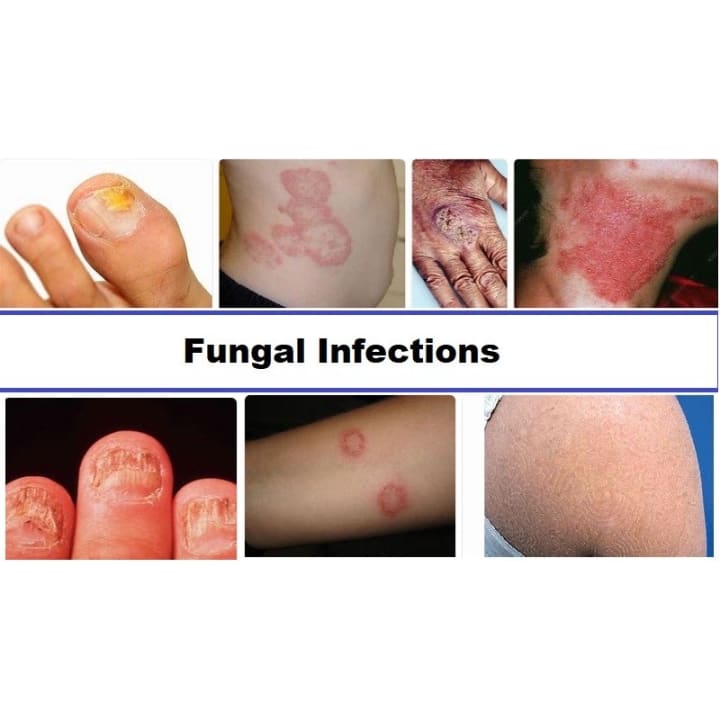
Fungal infections are a common occurrence and can affect various parts of the body, including the skin, nails, and respiratory system. They thrive in warm and moist environments, making prevention a crucial aspect of maintaining overall health. In this article, we will explore effective strategies and lifestyle changes to minimize the risk of fungal infections.
Methods : tips
⟹ Maintain Proper Hygiene
Maintaining proper hygiene is the first line of defense against fungal infections. Regularly washing your hands and body with soap and water helps remove dirt and germs, reducing the chances of fungal growth. Pay extra attention to areas prone to moisture, such as the feet, groin, and armpits.
⟹ Keep Skin Dry and Clean
Fungi thrive in warm and moist environments, so it is vital to keep your skin dry. After bathing or swimming, make sure to thoroughly dry your skin, paying close attention to the spaces between toes, under the breasts, and in the groin area. Wearing loose-fitting, breathable clothing can also help reduce moisture and promote better air circulation.
⟹ Use Antifungal Powders and Creams
If you are prone to fungal infections or engage in activities that promote sweating, consider using antifungal powders or creams. These products help create an inhospitable environment for fungal growth and can be particularly useful for preventing athlete's foot and jock itch.
⟹ Avoid Sharing Personal Items
Fungal infections can spread through direct contact with an infected person or by sharing personal items such as towels, clothing, and shoes. To minimize the risk, avoid sharing these items and encourage family members or roommates to do the same.
⟹ Choose the Right Footwear
Wearing proper footwear is essential, especially if you spend a lot of time in closed, tight-fitting shoes. Option for breathable shoes made of materials like leather or mesh, which allow air circulation and reduce the buildup of moisture. Additionally, wearing moisture-wicking socks can help keep your feet dry and comfortable.
⟹ Be Cautious in Public Areas
Public places such as swimming pools, gyms, and communal showers are potential breeding grounds for fungal infections. Always wear flip-flops or shower shoes in such areas to avoid direct contact with potentially contaminated surfaces.
⟹ Maintain a Healthy Diet
A balanced and nutritious diet plays a crucial role in maintaining a strong immune system, which can help fend off fungal infections. Incorporate foods rich in vitamins and minerals, such as fruits, vegetables, whole grains, and lean proteins. Limiting sugary and processed foods can also help prevent fungal overgrowth, as they can contribute to imbalances in the body's natural flora.
⟹ Manage Underlying Health Conditions
Certain health conditions, such as diabetes and immunosuppressive disorders, can increase the risk of fungal infections. If you have any underlying health issues, work closely with your healthcare provider to manage and control them effectively.
⟹ Limit Antibiotic Use
Antibiotics are essential for treating bacterial infections, but they can also disrupt the balance of good bacteria in your body, leading to an increased risk of fungal infections. Use antibiotics only as prescribed by your doctor and avoid unnecessary or prolonged usage.
Conclusion
Preventing fungal infections requires a combination of good hygiene practices, lifestyle choices, and a healthy immune system. By following the tips mentioned in this article, you can significantly reduce your risk of fungal infections and enjoy a healthier, more active life. If you suspect you have a fungal infection or have persistent symptoms, consult a healthcare professional for proper diagnosis and treatment.
Important Note: Prevention of fungal infections is essential for maintaining overall health and well-being. While following the tips and guidelines mentioned in this article can significantly reduce the risk of fungal infections, it is crucial to remember that some individuals may be more susceptible to fungal overgrowth due to various factors, such as compromised immune systems, certain medical conditions, or genetic predispositions.
If you notice any signs of a fungal infection, such as redness, itching, rashes, or unusual discharge, seek medical attention promptly. Early diagnosis and appropriate treatment are essential to prevent the infection from spreading and causing further complications.
About the Creator
Keep reading
More stories from writers in Education and other communities.
Thomas L. Jennings
February 2026 New York, NY — More than two centuries after his birth, Thomas L. Jennings is increasingly recognized as one of America’s most influential yet historically overlooked innovators. Born free in New York City around 1791, Jennings would become the first African American in United States history to obtain a patent, earning his place in the nation’s scientific record and civil rights legacy.
By TREYTON SCOTT3 days ago in Education
Canadian Work Permit 2026: Check If You Qualify to Work in Canada
Canada continues to be one of the top destinations for foreign workers, offering competitive salaries, a strong economy, and an excellent quality of life. With new immigration adjustments expected in 2026, understanding Canada’s work permit system has become more important than ever.
By Ayesha Lashari5 days ago in Education
Rachel Reviews: Lunch Tales: Teagan by Lucille Guarino
Well, I did enjoy this! Sometimes, all you need is just great storytelling and this is what Lucille Guarino delivers here. There's no big message to this book; it's just about folks and families, living their lives and coping with everything that's being thrown at them and finding their way. But when it's done well, like it is here, then you have characters to whom you can relate, tension which leaves you rooting for a better outcome, attraction which has your heart racing and an urge, as a reader, to see the characters happy with the people with whom they belong.
By Rachel Deeminga day ago in BookClub
Feelings Never Die
It is Valentine's Day again, and it bought back memories that were over fifty years old. It bought me back to 1971, and I woke up and I knew my baby was due today. I was big and pregnant, and I felt like I was about to burst wide open. Imagine my surprise when the doctor told my I had a due date of February 14. I couldn't believe it, and since my baby was due today, I felt I could indulge myself a bit. I had gained a lot of weight, and chocolate was on the no-no list, but I had came to the end of this pregnancy, and I hoped it would be okay, after all I would deliver this baby today. So I walked across the street to the grocery story, and bought myself, a peppermint patty, covered in chocolate, my favorite. Me and my Valentine's baby would enjoy it together.
By Susan Payton3 days ago in Fiction




Comments (2)
I read very well. It's something unique.
Such a good one . But need more info . And may it is very use to educate....