
Prevalence and Early Identification of Autism Spectrum Disorder Among Children Aged 4 and 8 Years — Autism and Developmental Disabilities Monitoring Network, 16 Sites, United States, 2022
Autism spectrum disorder.......


Introduction
The largest U.S. surveillance system that monitors the prevalence of autism spectrum disorder (ASD) among children is the Autism and Developmental Disabilities Monitoring (ADDM) Network, which receives funding from the Centers for Disease Control and Prevention (CDC). The 2022 report provides insights into diagnostic trends, disparities, and the impact of COVID-19 on early identification by providing updated estimates for 8-year-olds and preliminary data on 4-year-olds from 16 U.S. sites. What We Know About ASD's Prevalence 1. Rising Prevalence in 8-Year-Olds
The overall ASD prevalence was 1 in 36 children (2.8%), a significant increase from 1 in 44 (2.3%) in 2018.
Gender Disparity:
Boys: 4.3% (1 in 23)
Girls: 1.1% (1 in 88)
Geographic Variability:
California (2.9%), New Jersey (3.8%), and Minnesota (3.6%) have the highest prevalence. Lowest Prevalence: Arkansas (2.1%), Utah (2.2%)
Different screening policies, inaccessibility to healthcare, and community awareness could be the reasons. 2. Trends Among Children Under 4 Early data suggest a similar upward trend, but COVID-19 disruptions likely delayed evaluations.
Median age of first ASD diagnosis: ~4 years (still later than the recommended screening age of 18–24 months).
Early Identification: Progress and Persistent Gaps
1. Improvements in Early Diagnosis
By age 4, more children are being evaluated, indicating improved awareness and screening. a rise in pediatric practices' use of developmental questionnaires like M-CHAT. 2. Racial and Ethnic Disparities
White children: 51% received developmental evaluations by 36 months.
Black children: 45%
Hispanic children: 40%
Black and Hispanic children were 30% less likely to receive an early ASD diagnosis than White peers.
3. Gender Differences in Diagnosis
Girls are diagnosed later than boys, often due to:
Social masking (camouflaging symptoms).
Clinician bias toward male ASD presentations.
4. Impact of COVID-19 on Diagnoses
Decline in evaluations during 2020–2021, particularly among 4-year-olds.
Increased use of telehealth assessments, but disparities emerged for:
Low-income families with limited internet access.
Non-English-speaking households.
Co-Occurring Conditions and Clinical Characteristics
1. Intellectual Disability (ID) and Cognitive Abilities
35% of children with ASD had co-occurring ID (IQ ≤ 70).
48% had average or above-average intelligence (IQ > 85).
2. Common Comorbidities
ADHD: 44%
Anxiety disorders: 40%
Speech delays: 60%
Self-injurious behaviors: 25%
Public Health Implications
1. Need for Equitable Access to Early Screening
Universal screening at 18 and 24 months (per AAP guidelines) is still inconsistently applied.
Barriers in underserved communities:
Lack of pediatric specialists.
Cultural stigma around developmental disorders.
2. Eliminating Disparities in Diagnostics Community outreach programs to improve ASD awareness in minority populations.
Culturally sensitive screening tools for non-English-speaking families.
3. Assistance for Girls with ASD training for clinicians to recognize ASD in girls. Research on female-specific ASD phenotypes.
4. Addressing Pandemic-Related Delays
telehealth expansion with insurance coverage for remote evaluations. School-based screening programs to catch missed cases.
Conclusion
The 2022 ADDM report confirms that ASD prevalence continues to rise (now 1 in 36 children), driven by improved detection and broader diagnostic criteria. However, persistent disparities in early identification—particularly among racial minorities, girls, and low-income families—highlight the need for targeted interventions. The COVID-19 pandemic further disrupted screenings, underscoring the importance of resilient healthcare systems to ensure timely diagnoses.
Recommendations for Future Action
Mandate universal early screening in all pediatric practices.
Increase funding for ASD services in underserved areas.
Enhance provider training on recognizing ASD in diverse populations.
.
About the Creator
Binte Mistry
🕐🏥PUNCTUAL🏥🕐
🤗EMPATHY🤗
🙅TRUTHFUL🙅
Keep reading
More stories from Binte Mistry and writers in Education and other communities.
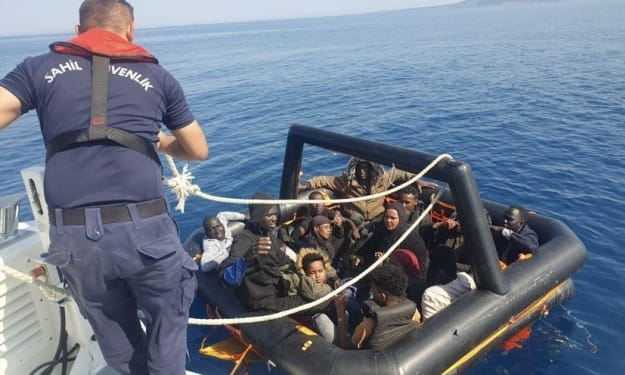
Greek coast guard finds two bodies and 39 other migrants , on tiny island
After their boat ran aground on a small, uninhabited island in the southern Aegean Sea, the Greek coast guard rescued 39 migrants and recovered the bodies of two of them. The incident is the most recent in a long line of tragic events involving migrants attempting to reach Europe via risky sea routes. Details of the Rescue Operation The migrants were discovered on Falkonera, a small rocky islet located about 60 kilometers (37 miles) south of the Peloponnese peninsula. The island, which does not have any permanent residents, is located on a popular but dangerous migration route between Turkey, Greece, and Italy. After receiving a distress call, authorities were notified, but it is still unknown if the migrants had attempted to contact assistance earlier. Upon arrival, the coast guard found 41 people in total—two of whom had already died. The survivors included women and children, all suffering from exhaustion and dehydration. The group was transported to the port of Piraeus near Athens, where they received medical care and were processed by immigration officials. Their nationalities have not yet been disclosed, but many migrants attempting this route come from Syria, Afghanistan, Iraq, and various African nations. A Deadly and Dangerous Trip This incident underscores the extreme risks faced by migrants and refugees attempting to cross into Europe via the Aegean and Mediterranean Seas. Overcrowding and unsuitable boats operated by smugglers are used by many, frequently resulting in shipwrecks, drowning, or exposure-related deaths. More than 3,000 migrants have died or gone missing in the Mediterranean since 2021, according to the International Organization for Migration (IOM), with the Central Mediterranean route—from North Africa to Italy—being the deadliest. The Aegean Sea route (Turkey to Greece), though shorter, remains highly dangerous due to strong currents, rocky shores, and unpredictable weather. Greece’s Role in the Migration Crisis Greece has long been one of the main entry points for migrants seeking asylum in Europe, particularly since the 2015 refugee crisis, when over a million people fled war and poverty in the Middle East and Africa. However, Greece and the European Union (EU) have faced criticism over their migration policies, including allegations of illegal pushbacks—forcing migrant boats back into Turkish waters. While human rights organizations such as Amnesty International and Human Rights Watch have documented numerous instances, Greece denies these assertions. The Greek government has argued that it is overwhelmed by the influx and has called for greater EU support in managing migration flows. Meanwhile, the EU has increased funding for border security, including the European Border and Coast Guard Agency (Frontex), which operates in Greek waters. Calls for Safer Migration Pathways To prevent additional deaths, humanitarian organizations have repeatedly urged European leaders to establish legal, safer migration routes. Strict border controls, according to many, only lead migrants to more perilous routes, enriching smuggling networks. The United Nations High Commissioner for Refugees (UNHCR) has emphasized the need for expanded resettlement programs and better search-and-rescue operations in the Mediterranean. However, political divisions within the EU have stalled major policy changes. Investigative Activities The circumstances of the most recent incident are under investigation by Greek authorities, which include how howlong the migrants had been stranded before they were discovered. The cause of death of the two men (likely dehydration or hypothermia). Whether or not the boat they used was abandoned by smugglers, which is a common way to avoid being found out. Conclusion The discovery of the two bodies and the 39 survivors on Falkonera is a grim reminder of the human cost of Europe’s migration crisis. Desperate individuals continue to put their lives at risk in search of safety and a better future, despite increased patrols and deterrent measures. The rising death toll in the Mediterranean necessitates immediate action, whether through humanitarian corridors, improved search-and-rescue efforts, or international cooperation to address the root causes of displacement as debates over migration policies continue. For now, the survivors of this ordeal will undergo asylum processing, while the bodies of the deceased serve as another tragic testament to the dangers of the journey.
By Binte Mistry9 months ago in Journal
Smart Ways to Prevent AI From Taking Your Job
Artificial intelligence is changing the workplace faster than almost any technology before it. From automated customer service to AI-generated reports, images, and code, it’s natural to wonder: Will AI take my job?
By Anthony Bahamondeabout 4 hours ago in Education
How Learning About Global Health Gives Early Impacts to Medical Students
Medical students begin forming their professional identities long before they enter residency, and early exposure to global health giving plays a decisive role in shaping those identities. While traditional training emphasizes diagnostics and clinical precision, global learning encourages students to understand the broader human context behind every medical decision.
By Dr. Seth Eidemiller7 days ago in Education


Comments
There are no comments for this story
Be the first to respond and start the conversation.