
Pressure Points: Helping Secondary Students Cope with Academic Stress
Supporting Mental Health During Exam Years

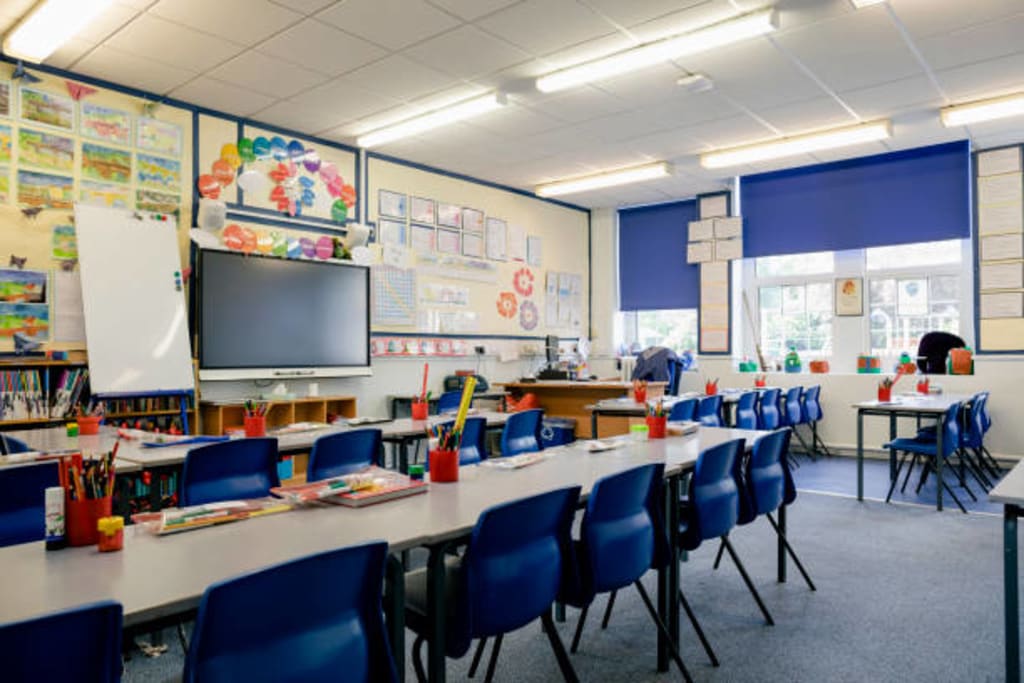
The journey through secondary school is a time of enormous growth, challenge, and discovery. It’s also, increasingly, a period marked by heightened academic pressure.
From looming exams and relentless deadlines to social comparison and future planning, students are navigating a complex landscape—often while still learning how to regulate their emotions and manage expectations.
While some pressure can be healthy, too much can result in serious consequences: anxiety, burnout, loss of motivation, and even physical illness. Understanding how to support teenagers during this crucial stage is a responsibility shared by schools, parents, and the wider community.
Understanding the Landscape of Academic Stress
Academic stress doesn’t stem from a single source. For many students, it's the cumulative effect of multiple expectations: high grades, extracurricular involvement, competitive university prospects, and pleasing both parents and teachers.
This burden is especially pronounced in the lead-up to public exams like GCSEs or A-levels, where performance often feels like a definitive judgment on a student’s potential.
At the same time, today’s learners are growing up in a hyperconnected world where social media can magnify academic insecurities. The curated perfection they see in peers’ achievements online can lead to unrealistic comparisons and added emotional pressure.
These stressors are often silent but deeply felt, affecting both academic output and personal wellbeing.
Notably, schools such as secondary schools in Andover are implementing student-centred strategies to address these issues, recognising that education must be as much about mental resilience as it is about intellectual growth.
Spotting the Red Flags Early
Not every student will verbalise their struggle. Some may soldier on in silence, masking anxiety behind apparent academic focus or social withdrawal. However, several signs may indicate that stress is building:
- Sudden mood swings or irritability
- Declining grades or loss of interest in school
- Sleep disturbances or chronic fatigue
- Physical symptoms such as stomachaches or headaches
- Withdrawing from friends, sports, or previously loved hobbies
Early detection is key. When teachers and parents stay attuned to these warning signals, they can intervene before stress becomes unmanageable.
Creating a Culture of Calm and Confidence
Schools are increasingly adopting a whole-school approach to wellbeing. It’s not enough to offer occasional assemblies on stress management; the message must be woven into the daily experience of students.
A calm and consistent school environment, where mistakes are treated as opportunities for growth, encourages healthier attitudes toward learning.
Secondary schools Andover have made notable strides in embedding this ethos. Pastoral care systems, access to school counsellors, mentorship programmes, and student voice initiatives empower pupils to talk openly about mental health without fear of judgement.
Equally important is how learning is structured. Teachers who design lessons that are engaging, scaffolded, and varied in format help reduce the anxiety that comes from a one-size-fits-all model.
Clarity in assessment expectations and compassionate feedback can make a significant difference in how pressure is perceived.
The Role of Parents: Balancing Encouragement with Empathy
Parents are a child’s first educators, and their influence doesn’t stop when secondary school begins. The tone set at home around academic achievement can deeply impact how a student internalises success and failure.
It’s crucial that parents validate effort rather than focusing solely on outcomes. Phrases like “I’m proud of how hard you tried” or “It’s okay to not get it perfect right away” help build a growth mindset.
Allowing for open conversations—without judgment—can help children process their fears and pressures in a healthy way.
Equally, establishing structured home routines with clear times for rest, study, meals, and recreation provides predictability and emotional safety. When children know what to expect, their stress is naturally reduced.
Tools to Build Resilience and Regulate Stress
Just as we teach literacy and numeracy, we must also teach students how to manage stress. Some effective strategies that schools and families can promote include:
- Mindfulness and Breathing Techniques: Guided breathing, meditation apps, and grounding exercises can be powerful tools to manage acute anxiety.
- Time Management Skills: Breaking work into smaller, manageable chunks can make tasks feel less overwhelming.
- Journaling or Creative Outlets: Encouraging students to write, draw, or express themselves creatively helps them process complex emotions.
- Physical Activity: Regular exercise is not just good for the body—it improves focus, sleep, and mood.
- Peer Connection: Promoting healthy friendships gives students the sense of belonging they need to navigate tough times.
Some secondary schools in Andover are even building these techniques into their curriculum, recognising that teaching wellbeing isn’t an add-on—it’s essential.
Conclusion: From Pressure to Potential
Academic stress is real, and it’s not going away. But with the right support structures in place, it can be managed in ways that transform pressure into potential.
Schools must lead with empathy, offering safe environments that nurture emotional intelligence alongside academic rigor. Parents must model compassion, resilience, and flexibility.
By acknowledging the pressures that today’s students face—and responding with proactive care—we give them the greatest gift of all: the confidence to thrive, not just survive, in their educational journey and beyond.
About the Creator
William Henry
At Best Independent Schools UK, we are here to make your journey smoother by providing detailed information about some of the best nurseries and preparatory schools in England
Keep reading
More stories from William Henry and writers in Education and other communities.
Goals that Grow with Them: Teaching Self-Reflection in the Prep Years
In today’s dynamic and ever-evolving educational landscape, preparing children academically is only one part of the equation. The real challenge—and opportunity—lies in nurturing reflective, self-aware learners who take responsibility for their growth.
By William Henry10 months ago in Education
How Aerospace Electronics Depend on Winbond Electronics Components in Modern Aviation
When I analyze the supply chain behind aviation electronics, I often return to the role of semiconductor memory manufacturers. One company that frequently appears in component databases is Winbond Electronics Corporation, a global semiconductor producer known for reliable memory solutions used in embedded systems.
By Beckett Dowhan6 days ago in Education
I asked Gemini, Claude, and ChatGPT to create a website, and there was one obvious winner
Vibe-coding seems to be on the rise, and it is fast democratizing software and web development. Not too long ago, a huge barrier of syntax errors separated the average user from developing a website that worked. Times have changed over the last few years. The latest generation of LLMs are powerful and capable enough to turn plain language descriptions into functional code, allowing even non-coders like myself to put together HTML pages with nothing more than a prompt
By Rosalina Janea day ago in Education



Comments
There are no comments for this story
Be the first to respond and start the conversation.