
Preschool Readiness Checklist: Is Your Child Ready for Nursery School?
Wondering if your child is ready for nursery school? Check out our comprehensive Preschool Readiness Checklist to help you decide. From social skills to potty training, find out what to look for!


Starting nursery school is an exciting milestone for both children and parents. It marks the beginning of formal education, social interactions, and the development of essential life skills. However, many parents wonder whether their child is truly ready for this big step.
Every child grows at their own pace, and readiness for nursery school depends on various factors, including emotional, social, cognitive, and physical development. If you are considering a nursery in Caterham, it’s important to assess whether your child is prepared for this new experience. This preschool readiness checklist outlines the key areas to consider before enrolling your child in nursery school.
Social and Emotional Readiness
1. Comfort with Separation
One of the most important signs of preschool readiness is a child’s ability to handle separation from parents or primary caregivers. In a nursery school setting, children are away from home for a few hours each day. If your child can say goodbye without excessive anxiety and engages in activities independently, they are likely ready for this transition.
If separation anxiety is a concern, consider short practice sessions by leaving your child with trusted relatives or at playdates. This helps them gradually get used to being away from you, making the nursery school experience more comfortable.
2. Interaction with Other Children
Social skills are crucial for a positive nursery school experience. Observe how your child interacts with peers. Are they comfortable playing and sharing with others? Can they take turns and express their feelings using words rather than tantrums?
Children who have had opportunities to socialize in playgroups or community events tend to adjust more easily to the group dynamics of a classroom. They learn to cooperate, resolve conflicts, and build friendships, setting a strong foundation for social development.
3. Emotional Regulation
Preschoolers are expected to manage their emotions in a group setting. This includes handling minor frustrations, waiting their turn, and expressing needs without meltdowns. If your child can calm down with minimal help and use basic language to communicate feelings, they are emotionally prepared for nursery school.
Communication and Language Skills
4. Basic Communication Abilities
Clear communication is essential for children to express their needs, ask for help, and interact with teachers and classmates. While children are not expected to speak in complete sentences, they should be able to convey basic thoughts and emotions.
If your child can ask simple questions, follow basic instructions, and express themselves verbally, they are ready to communicate effectively in a school setting.
5. Listening and Attention Span
In a nursery school environment, children participate in group activities, listen to stories, and follow instructions. To do this successfully, they need to pay attention and stay engaged for short periods.
If your child can sit through a short story, focus on a puzzle, or engage in a simple game for 5–10 minutes, they are likely prepared for the structured activities of nursery school.
Independence and Self-Care Skills
6. Basic Self-Care Skills
Independence in self-care is a key indicator of preschool readiness. While teachers assist young children, they are generally expected to manage simple tasks, including:
Toileting: Most nursery schools require children to be potty-trained. If your child can use the toilet with minimal help and wash their hands afterward, they are ready for the school environment.
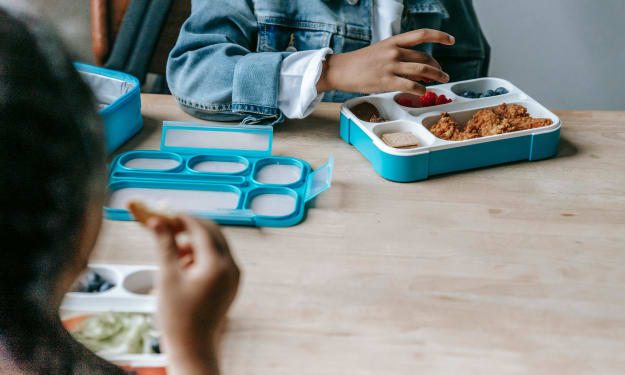
Eating Independently: Whether it’s snack time or lunch, children should be able to feed themselves using basic utensils.
Dressing Skills: Tasks like putting on shoes or a coat help children participate in outdoor play and other activities comfortably.
If your child shows confidence and independence in these areas, they are well-prepared for the routines of nursery school.
Cognitive and Learning Readiness
7. Curiosity and Willingness to Learn
Preschool is a time of exploration and discovery. A child who shows curiosity about their surroundings, asks questions, and enjoys engaging in new activities is likely ready for a structured learning environment.
Observe how your child engages with books, building blocks, or arts and crafts. A natural curiosity and willingness to learn are positive indicators of cognitive readiness for nursery school.
8. Ability to Follow Routines
Nursery schools follow a structured schedule, including circle time, playtime, snack time, and storytime. If your child is familiar with and can follow simple routines at home, such as mealtime or bedtime routines, they will adjust more easily to the school environment.
You can help your child prepare by practicing consistent routines at home. This makes the transition to the structured schedule of nursery school smoother and more comfortable.
Physical Readiness
9. Fine and Gross Motor Skills
Preschool activities require children to use both fine and gross motor skills. These include:
Fine Motor Skills: Using crayons, cutting with safety scissors, and manipulating small objects like building blocks.
Gross Motor Skills: Running, jumping, climbing, and participating in group games.
If your child demonstrates coordination and enjoys physical play, they are ready to participate in school activities safely and confidently.
Choosing the Right Nursery School
Once you determine your child is ready for nursery school, the next step is choosing the right environment that supports their growth and development. One great option to consider is Caterham Nursery, known for its nurturing atmosphere and well-rounded curriculum.
Caterham Nursery provides a supportive environment where children can explore, learn, and socialize in a safe and caring setting. With experienced educators and engaging activities, it offers a positive start to your child’s educational journey.
Tips for Easing the Transition to Nursery School
Visit the School Together: Familiarize your child with the new environment by visiting the school and meeting the teachers before the first day.
Practice Independence: Encourage independence at home by letting your child practice tasks such as dressing themselves or tidying up toys.
Talk About the Experience: Discuss what to expect at nursery school, including making friends, playing, and learning new things. This helps reduce anxiety and build excitement.
Create a Goodbye Routine: Establishing a consistent goodbye ritual, like a hug or a special handshake, helps ease separation anxiety.
Conclusion
Determining preschool readiness involves evaluating your child’s social, emotional, cognitive, and physical development. By using this checklist, parents can make an informed decision about when their child is ready for nursery school.
With the right preparation and support, your child will be set up for a successful start to their educational journey.
Read More :- How Preparatory Schools Prepare Children for a Smooth Transition to Primary Education
About the Creator
William Henry
At Best Independent Schools UK, we are here to make your journey smoother by providing detailed information about some of the best nurseries and preparatory schools in England
Keep reading
More stories from William Henry and writers in Education and other communities.
Healthy Eating in Primary Schools: The Role of Nutrition in Child Development
Proper nutrition plays a vital role in the growth and development of children, particularly during their early years in primary school. A well-balanced diet not only supports physical health but also enhances cognitive function, concentration, and overall well-being. Given that children spend a significant portion of their day at school, the meals and snacks they consume there can have a profound impact on their development.
By William Henryabout a year ago in Education
How Hot-Dip Galvanizing Saves Maintenance Costs Over Time for Steel Infrastructure
Steel is a key material in modern infrastructure. It is used in bridges, buildings, towers, fences, and many industrial systems. Steel offers strength and reliability, but it can rust when exposed to air and water. Rust slowly weakens steel and creates serious maintenance challenges. To prevent this damage, many industries rely on hot-dip galvanizing.
By Frontier Galvanizing4 days ago in Education
A Transparent Look at Vocal Challenges and Top Stories
Almost three years ago, we shared a resource article that served as a place for people to suggest new challenge prompts. We thought it would be a good idea to refresh that thread, and take the opportunity to answer a few common questions about top stories, how challenges are judged and how submissions are reviewed.
By Vocal Curation Team3 days ago in Resources



Comments
There are no comments for this story
Be the first to respond and start the conversation.