
Power from the Elements: Building Your Own Off-Grid Generator
"Empower Your Energy Freedom: Construct an Off-Grid Generator and Harness Nature's Elements"

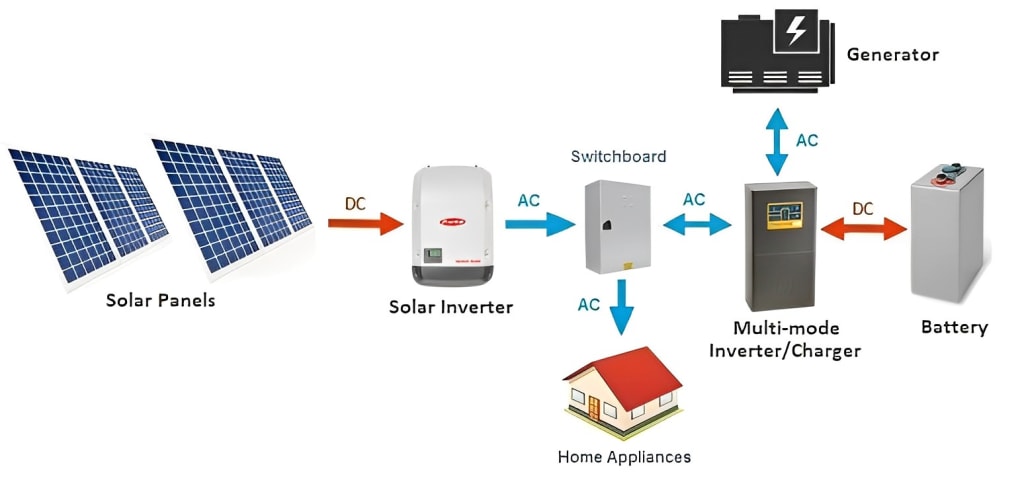
Imagine being able to generate your own electricity without the assistance of a power company, all while lowering your carbon footprint and embracing sustainable living. Utilizing off-grid power generating allows you to supply your house or a remote area with electricity. We will delve into the world of off-grid generators in this post and walk you through the creation of your very own off-grid power system.
Introduction
Living off the grid, without access to conventional power sources, is becoming more and more common as individuals look for more dependable and sustainable energy solutions. Off-grid power generation entails developing a self-sufficient electrical infrastructure that depends on renewable energy sources including solar, wind, hydro, and more. You can take control of your energy use and lessen your dependency on non-renewable energy sources by developing your own off-grid generating system.
Understanding Off-Grid Generators
The core of every off-grid power system are off-grid generators. When renewable energy sources can't keep up with demand or when there is a drop in energy production, these generators supply electricity. Generators powered by solar, wind, water, biomass, and fuel are just a few of the several kinds of off-grid generators. You can select the best option for your particular needs by considering the pros and considerations of each type.
Planning Your Off-Grid Generator System
Planning and designing your generator system effectively is essential before starting your trip to off-grid power. This entails evaluating your energy needs, selecting the best generator type, and sizing the generator and battery bank in accordance with those needs.
Analyzing your daily electricity usage is necessary to determine your energy needs. Take into account the systems, devices, and appliances you will need to power and project their energy requirements. You can use this information to calculate the capacity and power output your off-grid generator will need.
Next, decide which generator best suits your needs for energy and your access to resources. Due to its availability and affordability, solar energy is a preferred option. Through photovoltaic cells, solar panels transform sunlight into power. Another possible option is wind power, particularly in regions with predictable wind patterns. The kinetic energy of the wind is transformed into electrical energy via wind turbines. Hydro power, which makes use of the force of moving water, is appropriate for areas close to rivers or streams.
After choosing the type of generator, you must properly size it. Calculating the power output necessary to meet your energy needs is part of the sizing process. Take into account variables like the daily average load, the peak load, and seasonal variations in energy use. Determine the battery bank's capacity as well, as this device saves extra energy for usage when there isn't much of it generated.
"Take control of your energy independence with the Ultimate OFF-GRID Generator! Say goodbye to power outages and skyrocketing electricity bills. Harness the unlimited power of the sun and wind to generate clean, renewable energy for your home. Join the off-grid revolution and start living sustainably today!"
Solar Power Generation
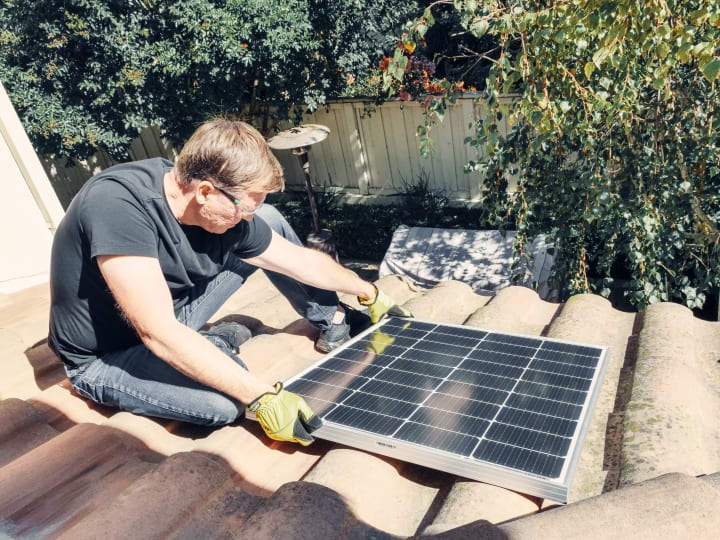
One of the most popular off-grid power generation methods is solar electricity. To generate power, it makes use of solar energy. Photovoltaic cells found in solar panels use sunlight to produce direct current (DC) power. An inverter is used to convert this direct current (DC) electricity into alternating current (AC), which is compatible with common home appliances.
Wind Power Generation
Another great method for generating electricity off the grid is wind power, particularly in regions with reliable wind resources. The kinetic energy of the wind is transformed into electrical energy via wind turbines. Vertical-axis turbines and horizontal-axis turbines are the two primary categories of wind turbines.
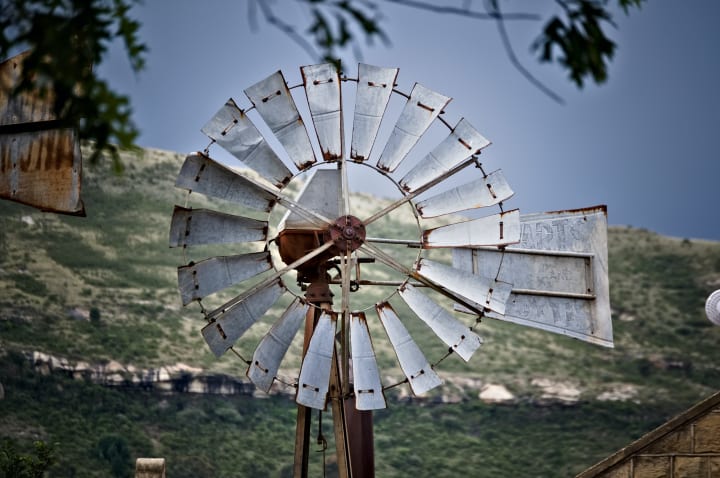
To assess your location's feasibility for wind power installation, it's essential to carry out a full wind resource assessment. Install the wind turbine in a high place, far from anything that might obstruct the wind's path. To achieve peak performance, equipment requires routine maintenance, including lubrication and component inspection.
Hydro Power Generation
In order to produce electricity, hydro power, sometimes referred to as hydroelectric power, captures the energy of moving water. In particular, if you have access to a river or stream on your land, it is a reliable and effective strategy. In a hydropower system, a turbine transforms the mechanical energy of moving water into electricity, while a generator transforms the mechanical energy into heat.

Hydroelectric power plants come in a variety of configurations, such as high-head, low-head, and micro-hydro. Low-head systems are good for locations with little elevation change, whereas high-head systems are suitable for locations with a large elevation drop. Smaller-scale systems called micro-hydro systems are made for lesser energy needs.
Consider the head (the vertical distance between the water source and the turbine) and water flow rate before implementing hydropower to ascertain the system's potential power production. Obtain all required permits, and make sure all environmental laws are followed.
Install the turbine in an appropriate spot along the water source, such as a river or stream, to set up a hydropower system. To avoid any damage or misalignment caused by water flow, make sure the turbine is aligned correctly and is securely fastened. To transform mechanical energy into electrical energy, connect the turbine to a generator.
The smooth running of your hydro power plant depends on routine maintenance. Regularly check and clean the turbine to get rid of any sediment or debris that could reduce its effectiveness. Check the wiring, control systems and generator on a regular basis for any problems. Your system's lifespan will be extended and its performance will be at its best with proper maintenance.
Other Off-Grid Power Generation Methods
Off-grid power generation alternatives include solar, wind, and hydropower, but there are many other strategies to take into account.
In order to generate power, biomass and biogas generators use organic resources like wood, animal dung, or even agricultural waste. Burning the organic material produces heat, which is then turned into energy by a steam turbine or internal combustion engine in biomass generators. Anaerobic digestion is used in biogas generators to decompose organic waste and create biogas, which can be burned to produce energy.
Although not regarded as renewable energy sources, fuel-powered generators can serve as an emergency power source for off-grid power systems. When renewable energy sources are insufficient or when there are prolonged periods of low energy production, these generators, which run on diesel, gasoline or propane, offer dependable electricity. Fuel-powered generators, on the other hand, emit emissions and need a constant supply.
Electricity is produced by geothermal energy systems by utilising heat from the Earth's core. This approach can't be used everywhere and has special geological requirements. From underground reservoirs, geothermal power plants draw hot water or steam, which they then use to turn turbines and generate energy. Geothermal energy has a low impact on the environment and is renewable and sustainable.
Designing and Building Your Off-Grid Generator System
Your off-grid generator system needs to be carefully planned out before construction begins. Start by making the appropriate equipment and component selections in accordance with your energy needs and the generator type you have chosen. Make sure the equipment is reliable and compatible before long-term use.
Effective electricity generation and distribution depend on properly integrating and connecting the system. To ensure appropriate installation and connection of solar panels, wind turbines, hydro systems, and other components, seek the advice of a professional or consult trustworthy sources. During the installation procedure, it is essential to take safety precautions and comply to electrical codes.
Your off-grid generator system's lifetime and peak performance depend on routine maintenance. Create a maintenance schedule that includes jobs like cleaning solar panels, checking the blades of wind turbines, examining the health of batteries, and keeping an eye on system performance. In order to minimize downtime and maximize energy output, resolve any faults right away.
Maintenance and Troubleshooting
Regular maintenance practices are vital to keep your off-grid generator system in optimal condition. Here are some maintenance tips to ensure efficient operation:
- Clean solar panels regularly to remove dust, dirt, and debris that can hinder sunlight absorption.
- Inspect wind turbine blades for any signs of damage or wear. Lubricate moving parts as recommended by the manufacturer.
- Check battery health and ensure proper charging and discharging cycles. Monitor voltage levels and replace batteries when necessary.
- Keep an eye on the performance of your generator system through monitoring equipment. Identify any unusual patterns or drops in energy production and address them promptly.
- Periodically inspect and maintain wiring, connectors, and control systems to ensure they are secure and functioning correctly.
In case you encounter any issues with your off-grid generator system, here are some common troubleshooting tips:
- If your solar panels are not producing enough power, check for shading or obstructions that may be blocking sunlight. Clean the panels and ensure proper alignment for maximum exposure.
- If your wind turbine is not generating electricity efficiently, check for any damage to the blades or tower. Verify that the turbine is positioned in an area with sufficient wind flow and free from obstructions.
- In hydro power systems, if there is a decrease in power output, inspect the turbine for debris or clogging that may be impeding water flow. Clear any blockages and ensure proper water flow to the turbine.
- If you experience battery issues, check the connections and wiring for any loose or corroded parts. Test the battery voltage and replace if necessary. Ensure proper charging and discharging cycles to maintain battery health.
- Monitor the performance of your control systems, such as inverters and charge controllers. Update firmware if available and ensure correct settings for efficient operation.
Remember, it's important to consult professionals or refer to manufacturer guidelines if you encounter complex issues or if you are unsure about any aspect of maintenance or troubleshooting.
Financing and Incentives
An initial investment may be necessary to build an off-grid generator system. To help cover the costs and make your project more reasonable, there are a number of financing alternatives and incentives available.
Government grants and incentives are frequently given to encourage the use of renewable energy sources. Tax credits, rebates, or financial aid programmes are a few examples of these incentives. To find the incentives that apply to your locality, research regional and federal government programmes.
Your off-grid power system can be funded in an inexpensive manner using financing alternatives like solar loans or loans for energy efficiency. These loans frequently come with advantageous conditions and interest rates that are intended exclusively for renewable energy projects.
Calculate your off-grid generator system's return on investment (ROI) before evaluating financing options. Take into account the reduction in electricity costs, the system's lifespan, and potential increases in property value. An effective system that runs smoothly can bring about long-term financial gains.
Environmental Impact and Sustainability
Off-grid power generation has many benefits, one of which being the environment's favorability. You can greatly minimize your carbon footprint and help create a cleaner, more sustainable future by using renewable energy sources.
Solar, wind, hydro, and other renewable energy sources are used to power off-grid power systems, which operate with little to no greenhouse gas emissions. Off-grid power generating offers a cleaner and more environmentally friendly alternative to conventional power generation, which mainly relies on fossil fuels.
Off-grid electricity generating also fosters adaptability and self-sufficiency. You become less dependent on outside power sources by producing your own electricity, which lowers your exposure to power interruptions and price changes. It gives people and communities the power to control their energy use and contribute to a future that is more sustainable.
Case Studies
Successful off-grid power system examples from real-world applications can offer insightful advice and serve as a source of creativity for developing your own system. These case studies highlight various methodologies, difficulties encountered, and insights acquired. They provide realistic instances of how people and communities have used off-grid generator systems to meet their energy needs.
Example 1: Solar-Powered Off-Grid Home
In this case study, a family developed a solar power system to meet their energy needs while residing in a rural place. They made high-efficiency solar panel selections after carefully analyzing their energy usage, sizing the battery bank, and battery bank in accordance. They completely eliminated their dependence on conventional power sources of energy through careful design and installation.
Example 2: Off-Grid Wind Farm
In this case study, a community in a breezy area worked together to construct an off-grid wind farm. Based on the average wind speed and regional conditions, they carried out a thorough study of the wind resource and chose acceptable wind turbine types. They created a sustainable supply of electricity for the entire community by combining their resources and knowledge, which decreased their reliance on the grid and promoted self-sufficiency.
Example 3: Micro-Hydro Power in a Rural Village
In the case study, an isolated community that was close to a river installed a micro-hydro power plant to suit their energy requirements. They built a modest hydroelectric facility to capture the power of the moving water. The town now has a dependable and sustainable source of power, which has raised their standard of living and encouraged economic growth.
Conclusion
You may harness the power of renewable energy sources and achieve self-sufficiency in your electrical needs by building your own off-grid generating system. For optimum performance, careful planning, appropriate sizing, and routine maintenance are required regardless of the method you select—solar, wind, hydro, or another one.
By embracing off-grid power generation, you can lessen your dependency on fossil fuels and reduce your carbon footprint, helping to create a greener and more sustainable future. Furthermore, government subsidies and financial choices may make your off-grid power system more cheap.
Remember to consult experts, abide by safety precautions, and make sure you are in accordance with laws before starting your off-grid electricity trip. Maintaining regular system maintenance can help you to maximize performance and solve any potential problems.
You may effectively construct your own off-grid generator system and take advantage of its advantages with commitment, understanding, and a commitment to sustainability.
FAQs
1. How much does it cost to build an off-grid generator system?
A: The cost of building an off-grid generator system varies depending on factors such as the chosen technology, energy requirements, and installation complexity. It is advisable to consult with professionals and obtain multiple quotes to get a more accurate estimate for your specific project.
2. Can I use an off-grid generator system in urban areas?
A: Off-grid generator systems can be used in urban areas, but certain factors need to be considered, such as local regulations, available space, and noise restrictions. Solar panels on rooftops and small wind turbines are common options for urban off-grid power generation.
3. How long do off-grid generator systems last?
A: The lifespan of off-grid generator systems depends on the quality of the equipment and components used, as well as maintenance practices. Solar panels typically last 25-30 years, wind turbines around 20-25 years, and hydro systems can last for several decades with proper maintenance.
4. Can I sell excess electricity generated by my off-grid system?
A: Depending on your location and local regulations, you may have the option to sell excess electricity back to the grid through net metering or feed-in tariff programs. Research the specific policies and incentives available in your area.
5. What are the main benefits of off-grid power generation?
A: Off-grid power generation offers several benefits, including energy independence, reduced carbon footprint, increased resilience during power outages, and potential cost savings in the long run. It allows individuals and communities to have control over their energy production and contribute to a sustainable future.
Disclaimer: Please note that some of the links on this website are affiliate links. This means that at no additional cost to you, I may earn a commission if you click through and make a purchase. I only recommend products and services that I have personally used and believe will add value to my readers.
About the Creator
Aditi
I Love to Write, I hope you love to read
NCLEX Study Plan: A Step-by-Step Guide for Nursing Students
Preparing for the NCLEX-RN is one of the most important milestones in the nursing students’ career. This is because the NCLEX is the final step before nursing students can become licensed nurses. However, it is not as easy as simply reading nursing textbooks and taking notes from class lectures. This is because the NCLEX is designed to test the nursing students’ clinical judgment and decision-making skills.
By Sulcus Learninga day ago in Education
The Value of Hard Work
Hard work is one of the most important qualities for success in life. It means putting effort, time, and dedication into our tasks and responsibilities. Many people dream of becoming successful, but success does not come easily. It requires patience, determination, and continuous effort. Hard work helps people achieve their goals and build a better future. It also teaches discipline and responsibility, which are necessary for personal and professional growth.
By aadam khan6 days ago in Education
Guard Your Battery
Why are some people so attractive just by standing there? It’s not because they are "likable," but because they don’t need everyone to like them. I realized later that truly charismatic people allow themselves to be criticized, but they never criticize themselves. They never try to please the world; instead, the world stops to watch them.
By Emily Chan - Life and love sharing7 days ago in Poets




Comments
There are no comments for this story
Be the first to respond and start the conversation.