
Plants That Should Not Be Planted Around the House Because They Attract Snakes
Learn which plants can unknowingly invite snakes into your home environment — and what to plant instead for a safer space.

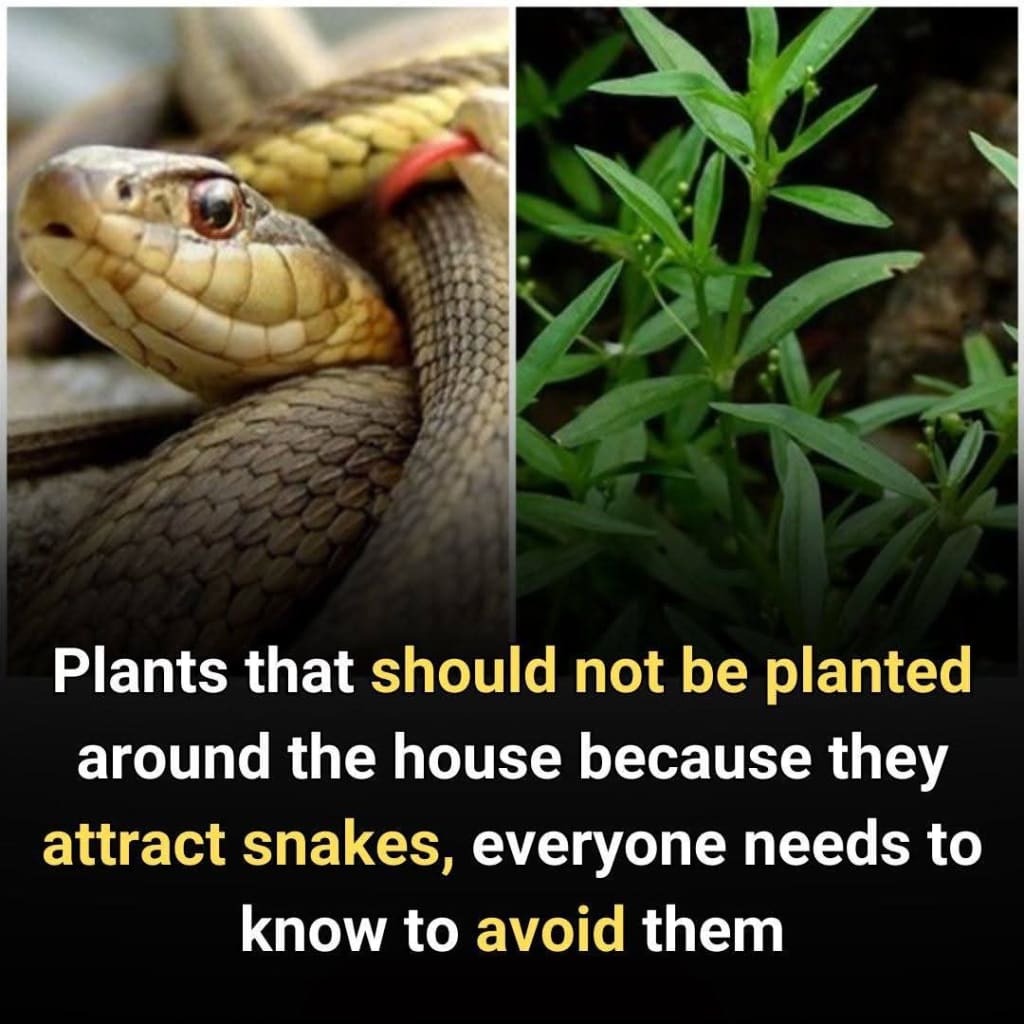
Having a lush green garden around your home can be incredibly rewarding. Plants add beauty, purify the air, and offer a peaceful atmosphere. But did you know that some of the very plants you cherish may actually attract snakes to your yard or home? While snakes play a vital role in the ecosystem by controlling pests like rodents and insects, most people would prefer they stay far away from living areas. Understanding which plants can act as snake magnets is essential for keeping your surroundings safe, especially if you live in an area where venomous snakes are common.
In this article, we’ll look at several plants that are known to attract snakes and why they do so. We’ll also provide suggestions for safer landscaping alternatives to help you maintain a beautiful garden without risking an unwanted reptilian visitor.
---
Why Certain Plants Attract Snakes
Snakes are cold-blooded creatures that rely on external temperatures to regulate their body heat. They are also stealthy and prefer areas where they can hide, hunt, and stay cool. Certain plants create the ideal environment for snakes by offering:
Dense ground cover or thick foliage
Cool, moist areas
Hiding places for rodents and insects (their prey)
Natural camouflage
By planting these types of plants around your house, you may be unknowingly inviting snakes to take up residence nearby.
---
Plants That Attract Snakes
Here are some common plants you should think twice about planting near your home:
1. Lantana
Lantana is a colorful flowering plant that grows in dense clusters. While attractive, its thick foliage provides excellent cover for snakes to hide and hunt. The berries it produces may also attract birds and rodents, which in turn attract snakes.
2. Juniper Bushes
These shrubs are commonly used in landscaping but tend to grow thick and close to the ground. Their branches create cool, shaded areas that are perfect hiding spots for snakes. Their dry needles can also create a quiet place for snakes to slither unnoticed.
3. Ground Covers (like Ivy and Periwinkle)
Ground cover plants like English ivy, creeping thyme, and periwinkle spread low and wide, forming dense mats across the ground. These mats are ideal for snakes seeking to move undetected or stay hidden during hot days.
4. Lemongrass
While lemongrass is known to repel mosquitoes, it can ironically create an inviting habitat for snakes. The tall, blade-like leaves grow thickly, making it hard to see what’s underneath — perfect for a snake to take shelter.
5. Water-Loving Plants (such as Water Hyacinth or Taro)
If you have a pond or a water garden, be cautious with aquatic plants. They not only offer shelter to amphibians and fish but also attract snakes looking for water or prey.
6. Thick Ornamental Grasses
Large clumps of ornamental grasses like pampas grass and fountain grass offer excellent hiding spots. Their height and thickness make them ideal cover for snakes, especially near fences and walkways.
---
Plants to Choose Instead
If you want a garden that’s less attractive to snakes, consider planting the following instead:
Marigolds: Their strong scent deters many pests, and they don’t provide dense cover.
Wormwood (Artemisia): This plant gives off a bitter smell that snakes dislike.
Mother-in-Law’s Tongue (Snake Plant): Ironically named, but the tall upright leaves don’t offer snakes much shelter.
Lavender: Its aroma deters insects and some reptiles.
Citrus Trees or Lemongrass Oils (in pots): While lemongrass as a plant can be dense, the oil extracted from it is known to repel snakes.
Also, keeping your yard clean, regularly mowed, and free of piles of leaves, wood, or compost will go a long way in keeping snakes at bay.
---
Practical Tips for a Snake-Free Garden
1. Trim Back Overgrown Plants
Regularly cut back bushes, trees, and ground cover to reduce shade and hiding spots.
2. Seal Entry Points
Make sure your home’s foundation, vents, and doors are sealed. Snakes can sneak through very small gaps.
3. Remove Food Sources
If you have a rodent problem, deal with it promptly. Rats and mice are the number one reason snakes move into residential areas.
4. Avoid Excessive Mulch
Thick mulch beds can create the perfect warm and moist environment snakes love.
---
Conclusion
While snakes are important to the ecosystem, most homeowners would prefer to admire them from a distance. Knowing which plants attract snakes can help you design a safer garden and avoid potential surprises. By removing dense, ground-level vegetation and replacing it with more snake-repellent plants, you can enjoy your outdoor space with greater peace of mind.
Remember, landscaping is not just about beauty — it’s also about safety. Make informed choices and share this knowledge with others who care about keeping their homes and gardens free from unwanted reptilian guests.
---
About the Creator
Keep reading
More stories from DigitalAddi and writers in Education and other communities.
Red Dots on Your Skin: Causes and What They Could Mean
If you've ever looked down at your skin and noticed tiny red dots scattered across your arms, chest, or legs, you're not alone. These little spots can appear suddenly and often seem harmless, but it's important to understand what they could mean. While many red dots on the skin are completely benign, some can indicate underlying health issues that may require medical attention.
By DigitalAddi8 months ago in Education
Top 10 Essential Skills for Success in 2026
By 2026, the job market is no longer driven only by degrees or titles. Technology, especially Artificial Intelligence (AI), automation, and remote work, has changed how companies operate and how people work. Many routine tasks are now handled by machines, while humans are expected to do work that requires thinking, judgment, creativity, and emotional understanding. This shift means that skills — not just education — determine success. The following 10 skills are considered essential for 2026 because they combine technology awareness with human intelligence. Let’s understand them one by one, step by step.
By Talha khan6 days ago in Education




Comments
There are no comments for this story
Be the first to respond and start the conversation.