
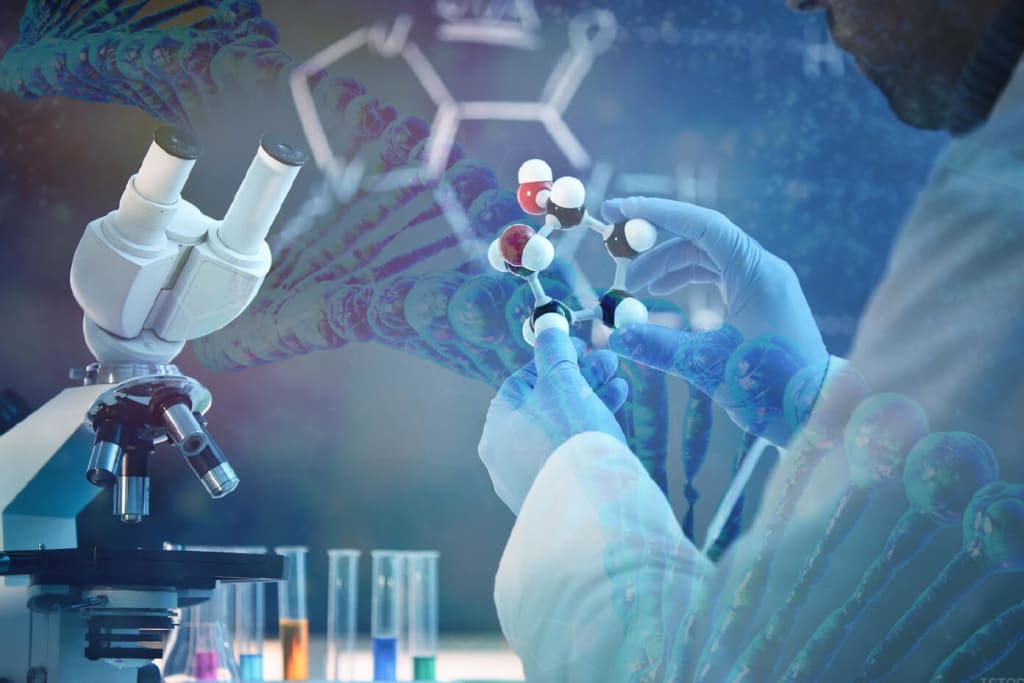
Pharmaceutical biotechnology is a field of biotechnology that deals with the discovery, development, and manufacturing of drugs using biotechnology methods. Biotechnology techniques, such as genetic engineering, recombinant DNA technology, and cell culture, are used to produce biological substances that can be used as drugs to treat various diseases.
The development of pharmaceutical biotechnology has revolutionized the pharmaceutical industry. Traditional drug development methods relied on chemical synthesis to produce drugs, which were often crude and had many side effects. The introduction of biotechnology techniques has led to the production of more targeted and effective drugs with fewer side effects.
Pharmaceutical biotechnology encompasses a wide range of activities, including the discovery and identification of drug targets, the design and engineering of proteins and other biological molecules, the development of drug delivery systems, and the production of large-scale manufacturing processes.
One of the key areas of pharmaceutical biotechnology is the development of monoclonal antibodies. Monoclonal antibodies are produced by cloning a single type of immune cell, or B cell, which produces a specific antibody that recognizes and binds to a specific antigen. Monoclonal antibodies are used as drugs to treat a wide range of diseases, including cancer, autoimmune disorders, and infectious diseases.
Another important area of pharmaceutical biotechnology is the development of recombinant proteins. Recombinant proteins are produced by introducing a gene that codes for a specific protein into a host cell, such as a bacterium or a yeast cell. The host cell then produces the protein, which can be purified and used as a drug. Recombinant proteins are used to treat a wide range of diseases, including diabetes, growth hormone deficiencies, and hemophilia.
Pharmaceutical biotechnology also involves the development of gene therapy. Gene therapy involves the introduction of a functional gene into a patient's cells to replace a defective or missing gene. Gene therapy has the potential to cure genetic diseases such as cystic fibrosis, sickle cell anemia, and muscular dystrophy.
In addition to drug development, pharmaceutical biotechnology also involves the development of drug delivery systems. Drug delivery systems are designed to enhance the effectiveness of drugs by delivering them directly to the target site in the body. Drug delivery systems can include liposomes, nanoparticles, and microspheres, which can encapsulate drugs and release them slowly over time.
Pharmaceutical biotechnology also involves the use of bioinformatics. Bioinformatics is the application of computer technology to the management and analysis of biological data. Bioinformatics is used in drug discovery and development to analyze large datasets, identify potential drug targets, and design drugs that are more effective and have fewer side effects.
The development of pharmaceutical biotechnology has led to the production of many life-saving drugs. For example, the development of recombinant human insulin has revolutionized the treatment of diabetes, and the development of monoclonal antibodies has led to the development of drugs that can effectively treat cancer, autoimmune disorders, and infectious diseases.
However, the development of pharmaceutical biotechnology has also raised ethical concerns. One of the main ethical concerns is the use of genetically modified organisms (GMOs) in drug production. Some people are concerned about the potential risks associated with the use of GMOs, and the long-term effects of GMOs on the environment and human health.
Another ethical concern is the cost of biotech drugs. Biotech drugs are often more expensive than traditional drugs, which can limit access to these drugs for some patients. This has led to debates over the pricing of biotech drugs and the role of the government in regulating drug prices.
In conclusion, pharmaceutical biotechnology is a rapidly growing field that has revolutionized the pharmaceutical industry. Biotechnology techniques have led to the development of more targeted and effective drugs with fewer side effects. The development of monoclonal antibodies, recombinant proteins
About the Creator
Keep reading
More stories from writers in Education and other communities.
Best Laptop for Adobe Illustrator
If you’ve ever opened Adobe Illustrator and felt your laptop slow you down, lag on big files, or struggle with smooth zooming, this blogpost is for you. The right laptop can make designing feel fast, smooth, and honestly enjoyable.
By Projectorsea2 days ago in Education
Instructions Included Challenge Winners
For the Instructions Included challenge, we asked writers to tell a story through instructions and to trust the form to carry what could not be said outright. Across the top entries, that trust paid off in many different ways.
By Vocal Curation Team3 days ago in Resources


Comments
There are no comments for this story
Be the first to respond and start the conversation.