
Pet Care
Discuss the importance of grooming and hygiene for pets
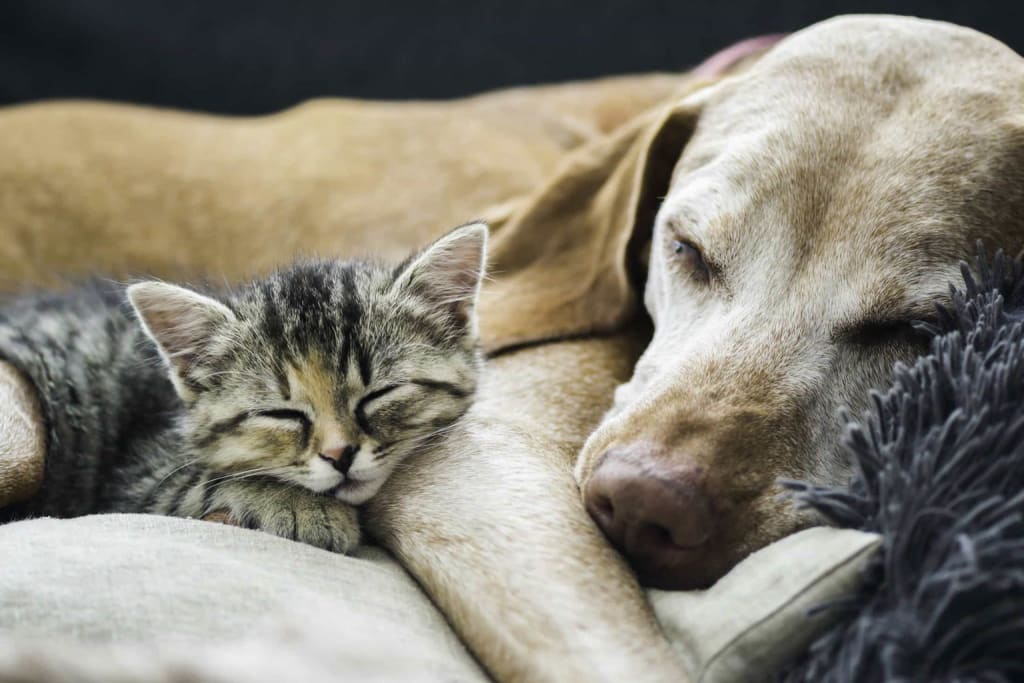
If you have a pet, you know how much they mean to you. You want to keep them healthy and happy. One way to do that is by grooming them regularly and maintaining their hygiene. In this article, we will discuss the importance of grooming and hygiene for pets.
Table of Contents
Introduction
What is grooming?
Why is grooming important?
Benefits of grooming for pets
Common grooming tools
How often should you groom your pet?
Steps to grooming your pet
What is hygiene?
Why is hygiene important for pets?
Benefits of good hygiene for pets
How to maintain good hygiene for pets
Signs of poor hygiene in pets
Grooming and hygiene for different types of pets
Conclusion
FAQs
Introduction
Grooming and hygiene are essential for your pet's overall health and well-being. Regular grooming and maintaining good hygiene help prevent various diseases and infections. It also keeps your pet looking and smelling good.
What is grooming?
Grooming involves taking care of your pet's physical appearance and cleanliness. It includes brushing, bathing, trimming, and other grooming activities that help maintain your pet's coat, skin, nails, and teeth. Grooming also involves checking for any abnormalities or signs of illness.
Why is grooming important?
Grooming is essential for your pet's physical and mental health. It helps prevent skin problems, such as matting, rashes, and infections. Regular grooming also helps prevent the formation of hairballs and reduces shedding. It also promotes healthy blood circulation and improves your pet's overall appearance.
Benefits of grooming for pets
Regular grooming has several benefits for pets, including:
Preventing skin problems and infections
Reducing shedding and hairballs
Promoting healthy blood circulation
Improving overall appearance and smell
Bonding with your pet
Identifying any abnormalities or signs of illness
Common grooming tools
Some common grooming tools for pets include:
Brushes and combs
Shampoos and conditioners
Clippers and trimmers
Nail trimmers
Toothbrushes and toothpaste
How often should you groom your pet?
The frequency of grooming depends on the type of pet and its coat type. Dogs and cats with long hair require more frequent grooming than those with short hair. However, you should groom your pet at least once a week to maintain good hygiene and prevent any problems.
Steps to grooming your pet
The steps to grooming your pet include:
Brushing your pet's coat
Bathing your pet
Trimming your pet's nails
Cleaning your pet's ears and teeth
Checking for any abnormalities or signs of illness
What is hygiene?
Hygiene involves maintaining cleanliness and preventing the spread of diseases. In pets, hygiene includes keeping their living area clean and free of bacteria and viruses. It also involves maintaining good personal hygiene for your pet.
Why is hygiene important for pets?
Hygiene is crucial for your pet's health and well-being. Maintaining good hygiene helps prevent the spread of diseases and infections. It also helps prevent fleas and ticks, which can cause various health problems for your pet.
Benefits of good hygiene for pets
Some benefits of good hygiene for pets include:
Preventing the spread of diseases and infections
Preventing fleas and ticks
Reducing odor and smell
Promoting good health and well-being
How to maintain good hygiene for pets
To maintain good hygiene for your pet, you should:
Clean your pet's living area regularly
Brush your pet's teeth regularly
Trim your pet's nails
Use flea and tick prevention products
Take your pet for regular checkups to the veterinarian
Signs of poor hygiene in pets
Poor hygiene in pets can lead to several problems, including:
Bad breath
Skin problems
Excessive shedding
Fleas and ticks
Dirty ears and eyes
If you notice any of these signs, it may be time to improve your pet's hygiene routine.
Grooming and hygiene for different types of pets
Different types of pets require different grooming and hygiene routines. For example, dogs with long hair may require more frequent brushing and bathing than dogs with short hair. Similarly, cats may require less frequent bathing but need their nails trimmed regularly. Small animals, such as rabbits and guinea pigs, may require frequent brushing to prevent matting and skin problems.
Conclusion
Grooming and hygiene are essential for your pet's health and well-being. Regular grooming and maintaining good hygiene can help prevent various diseases and infections. It also keeps your pet looking and smelling good. By following a proper grooming and hygiene routine, you can ensure that your pet stays healthy and happy.
FAQs
What is the best way to brush my pet's coat?
The best way to brush your pet's coat is to use a brush that is appropriate for their coat type. Consult with a veterinarian or a professional groomer to determine the best type of brush for your pet.
How often should I bathe my pet?
The frequency of bathing your pet depends on the type of pet and its coat type. Consult with a veterinarian or a professional groomer to determine the best frequency of bathing for your pet.
Can poor hygiene lead to health problems for my pet?
Yes, poor hygiene can lead to several health problems for your pet, including skin problems, fleas and ticks, and other infections.
What are some signs of good hygiene in pets?
Some signs of good hygiene in pets include clean ears and eyes, healthy skin and coat, and fresh breath.
How can I maintain good hygiene for my pet's living area?
To maintain good hygiene for your pet's living area, you should clean it regularly, remove any waste, and use pet-safe cleaning products to prevent the spread of bacteria and viruses.
About the Creator
Shakel Rahman
I'm an Digital Marketer and a SEO optimizer. I love to learn new things and courses. Also I love to educate people.
Keep reading
More stories from Shakel Rahman and writers in Education and other communities.
Pet Care
If you're a pet owner, you know how important exercise is for your furry friend's overall health and well-being. However, not all pets need the same amount of exercise, and it can be challenging to determine how much is enough. In this article, we'll provide guidance on how much exercise your pet needs based on its breed and size, so you can ensure your furry companion stays healthy and happy.
By Shakel Rahman3 years ago in Education
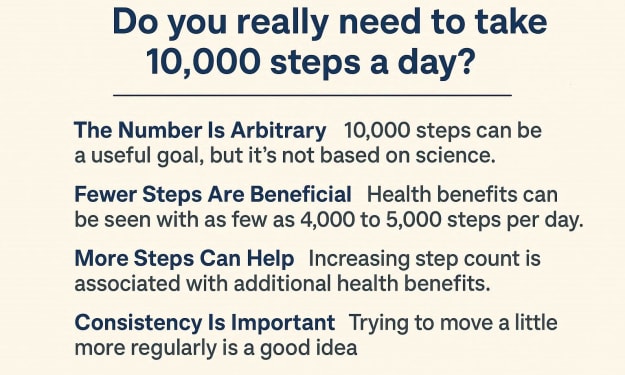
Do you really need to take 10,000 steps a day?
While most people avoid spending the night in jail, Jean Béliveau jumped at the opportunity. For the past three years, Béliveau had been walking from country to country, with the goal of circumnavigating the globe on foot. This required sleeping in tents, strangers’ homes, and the occasional jail cell along the way. But this morning, as Béliveau was ready to leave, the police chief, who had agreed to his sleeping arrangement, was nowhere to be found, and the guards weren’t buying his story. Few people have the time or desire to walk such extreme lengths.
By Munesh Yadavabout 10 hours ago in Education
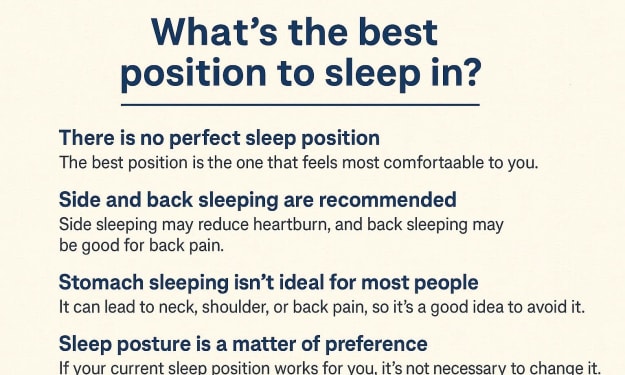
What’s the best position to sleep in?
In the 1970s, psychoanalyst Samuel Dunkell proposed a curious, albeit almost completely unsubstantiated, theory that the position you sleep in reflects your personality. For example, preferring to snooze in the so-called royal position indicated self-confidence, while sleeping semi-fetal meant you’re sensible and well adjusted. While Dunkell’s ideas lack any definitive proof, how we sleep can impact our health. So, what’s the best position to sleep in? Sleep positions go by countless creative names—
By Munesh Yadavabout 10 hours ago in Education
The Summer I Was Chosen by a Northern Mockingbird
During the long, suspended days of the pandemic, a wild mockingbird began visiting my driveway and chose me, again and again. What started as a strange encounter became a brief, meaningful connection that I still carry with me.
By Erica Roberts 4 days ago in Petlife

Comments
There are no comments for this story
Be the first to respond and start the conversation.