
Pervez Musharraf: The Controversial Legacy of Pakistan's Former President and Military Leader
Examining the Achievements and Controversies of Pakistan's Former Military Ruler and President

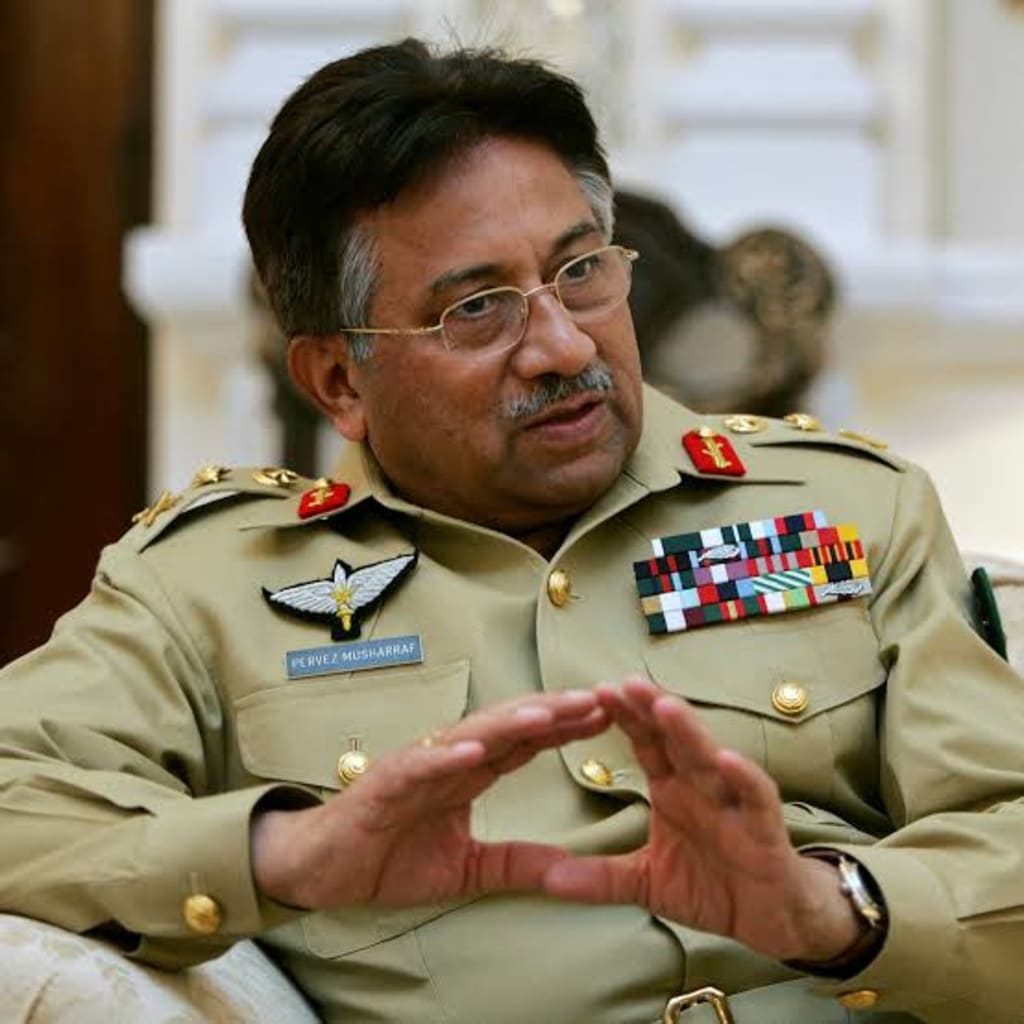
Pervez Musharraf, born on August 11, 1943, is a retired four-star general and a politician who served as the President of Pakistan from 1999 to 2008. He is widely known for his controversial rule and for his contributions to the country’s foreign and domestic policies.
Musharraf began his career in the Pakistan Army in 1964 and quickly rose through the ranks, eventually becoming the Chief of Army Staff in 1998. In October 1999, he led a bloodless military coup d’état against the democratically elected government of Prime Minister Nawaz Sharif and declared himself the Chief Executive of Pakistan.
Under his rule, Musharraf introduced several significant reforms, including liberalizing the economy, increasing foreign investment, and implementing modern infrastructure projects. He also worked to improve relations with India and the United States and played a crucial role in the U.S.-led War on Terror following the 9/11 attacks.
Despite these achievements, Musharraf’s rule was marred by allegations of human rights abuses and political repression. He suspended the constitution, dismissed the judiciary, and imposed strict censorship on the media. He also faced criticism for his handling of the Kargil War with India in 1999 and for his controversial decision to join the U.S. invasion of Afghanistan in 2001.
Musharraf’s legacy is a mixed one, and his tenure is a subject of heated debate in Pakistan. Supporters credit him with modernizing the country’s infrastructure and economy, improving relations with the West, and taking a tough stance against extremism. Critics, however, accuse him of trampling on democratic norms, suppressing dissent, and pursuing policies that ultimately weakened the country’s democratic institutions.
One of the most significant controversies of Musharraf’s tenure was his handling of the judiciary. In March 2007, he suspended Chief Justice Iftikhar Muhammad Chaudhry and several other judges, sparking protests across the country. The incident led to a prolonged standoff between the government and the judiciary, with the latter ultimately being restored following Musharraf’s resignation.
Another significant controversy was Musharraf’s decision to join the U.S. invasion of Afghanistan in 2001. Although the move was widely praised by Western governments, it led to a significant backlash in Pakistan, with many accusing Musharraf of betraying the country’s sovereignty. The decision also contributed to the rise of extremism and militancy in Pakistan, with many militants viewing the government as a puppet of the West.
Despite these controversies, Musharraf remained a popular figure in Pakistan during his tenure. He was widely seen as a strong leader who could steer the country through a turbulent period in its history. His efforts to improve relations with India were particularly well received, with many Pakistanis hoping that it would lead to a lasting peace between the two countries.
After his resignation in 2008, Musharraf went into self-imposed exile in Dubai and London. He returned to Pakistan in 2013 to contest the general elections but was barred from running by the Election Commission due to his controversial past. He was also charged with a range of criminal offenses, including treason and murder, but was acquitted of all charges in 2019.
In conclusion, Pervez Musharraf’s tenure as President of Pakistan was a controversial one. While he introduced several significant reforms and played a crucial role in improving relations with the West, his rule was also marked by allegations of human rights abuses, political repression, and the weakening of democratic institutions. His legacy remains a subject of heated debate in Pakistan, with supporters hailing him as a strong leader who modernized the country, while critics accuse him of betraying its democratic values.
Thanks for Reading
About the Creator
Muhammad sheheryar
Hello welcome to my profile enjoy reading health related articles on my profile
Keep reading
More stories from Muhammad sheheryar and writers in Education and other communities.
"From Colonies to Superpower: A Comprehensive History of the United States of America"
The history of the United States of America is a complex and fascinating story that spans over four centuries. From the arrival of the first European settlers in the 16th century to the modern-day superpower that the United States has become, the country has undergone significant changes and challenges along the way. In this article, we will explore the history of the United States of America, from its early beginnings to the present day.
By Muhammad sheheryar 3 years ago in Education
How to Create Secure Passwords: Guide
Every day, millions of people log in to email accounts, social networks, banking apps, and work platforms without giving much thought to what protects their digital lives. The password, a simple string of characters, stands between personal data and potential intruders. Yet despite its importance, weak password practices remain one of the leading causes of account breaches worldwide.
By News Trends Go6 days ago in Education
Innovation Without Compassion: How the Absence of Empathy Undermines Modern Healthcare
Healthcare innovation promises efficiency, accuracy, and expanded access to care. New technologies, digital platforms, and streamlined systems continue to reshape medicine. However, when innovation moves forward without empathy, it often fails the very people it intends to serve. Patients feel disconnected, clinicians feel overwhelmed, and organizations struggle to achieve meaningful results.
By Mark Bouzyk2 days ago in Education


Comments
There are no comments for this story
Be the first to respond and start the conversation.