
Patient Communication Mastery: Trust & Care Enhancement
How empathy, active listening, nonverbal cues, and digital tools come together to forge stronger patient relationships and improve care outcomes.

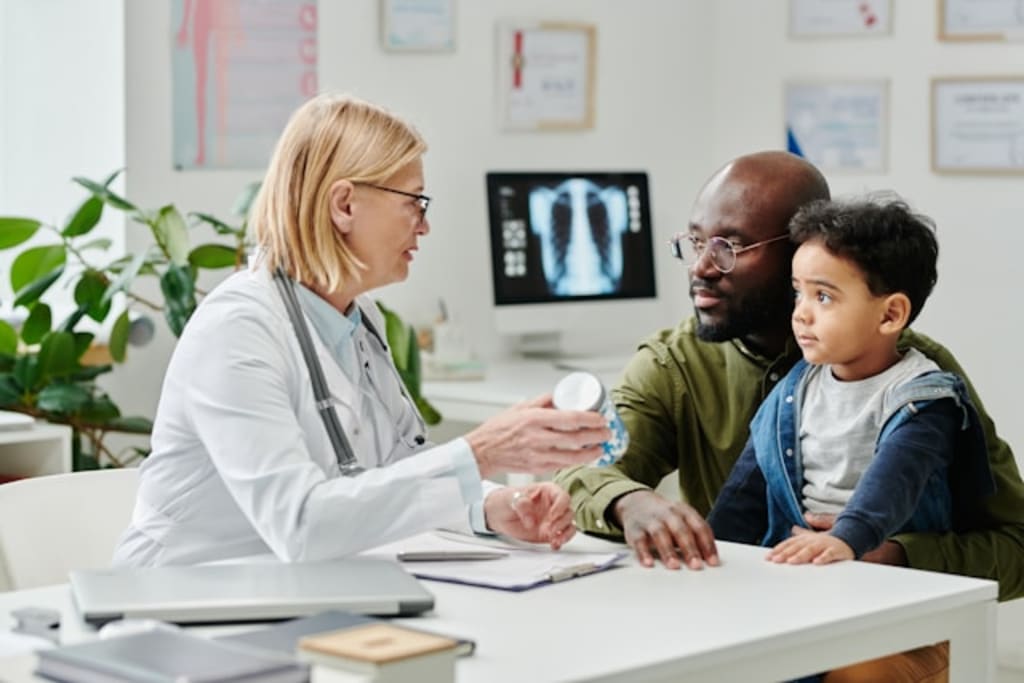
Effective communication lies at the heart of exceptional healthcare. When clinicians master patient communication, they not only convey medical information clearly but also foster trust, improve adherence, and elevate overall care quality. In this article, we explore four key strategies—grounded in empathy, active listening, nonverbal cues, and technology—to help healthcare professionals refine their patient interactions and build lasting therapeutic relationships.
The Role of Empathy in Patient Interactions
Empathy forms the foundation of patient communication. By intentionally acknowledging a patient’s feelings and perspective, clinicians demonstrate that they value the individual beyond clinical symptoms. Empathetic communication begins with mindset: approaching every consultation with genuine curiosity about the patient’s experience and concern for their well-being.
Studies have shown that empathetic engagement can reduce patient anxiety, enhance satisfaction scores, and even improve clinical outcomes. When a nurse or physician says, “I understand this is difficult,” it validates the patient’s emotions and creates a safe space for open dialogue. This sense of safety encourages patients to share critical information about symptoms, lifestyle, and fears, all of which can guide more accurate diagnoses and tailored care plans.
To cultivate empathy, healthcare providers can practice perspective-taking exercises, such as reflecting on similar personal experiences or imagining themselves in the patient’s situation. Regular self-reflection after visits—journaling about what went well and what could improve—also reinforces an empathetic approach over time. Ultimately, empathy is not an innate trait but a skill honed through deliberate practice and mindful attention to each patient’s humanity.
Active Listening and Verbal Skills
While empathy sets the tone, active listening and verbal proficiency ensure that communication is effective. Active listening involves more than hearing words; it requires full attention to the speaker’s verbal cues, tone, and underlying emotions. Clinicians can foster active listening by maintaining eye contact, minimizing interruptions, and using brief verbal affirmations such as “I see,” or “Tell me more.”
Open-ended questions are a critical tool for eliciting comprehensive patient narratives. Instead of asking, “Does this hurt?” providers might ask, “Can you describe how this pain affects your daily activities?” Such questions invite richer responses and uncover details that closed yes/no queries might miss. Reflective statements—rephrasing what the patient has said—also confirm understanding: “So the pain intensifies when you climb stairs, is that correct?”
Clear verbal skills extend to explaining medical concepts in plain language. Avoiding jargon and using analogies can demystify complex procedures. For example, likening the immune system to a defense army helps patients grasp how vaccines work. When clinicians check for understanding—asking patients to summarize what they have heard—they can correct misconceptions immediately, reducing the risk of non-adherence to treatment plans.
Harnessing Nonverbal Communication
Nonverbal cues often communicate more than words. Body language, facial expressions, and tone of voice can either reinforce or undermine a clinician’s spoken message. A calm, open posture conveys approachability, while crossing arms may signal defensiveness. Mirroring a patient’s pace and posture subtly builds rapport and signals attentiveness.
Facial expressions that reflect concern—raised eyebrows, slight nods—encourage patients to continue sharing. Similarly, an appropriate level of physical touch, such as a gentle hand on the shoulder (with consent), can reassure a distressed patient. However, clinicians must remain sensitive to cultural norms and individual comfort levels; what is comforting for one patient may be intrusive for another.
Tone of voice plays a role as well. A steady, warm tone calms patients and supports the delivery of stressful news. In contrast, a rushed or monotone delivery may leave patients feeling dismissed. Training programs that include video playback of simulated consultations allow practitioners to observe and correct nonverbal behaviors that detract from effective communication. By aligning nonverbal signals with empathetic and clear verbal messages, clinicians create a cohesive environment of trust.
Leveraging Technology for Enhanced Engagement
In today’s digital healthcare landscape, technology offers new avenues to strengthen patient communication. Telemedicine platforms, secure messaging apps, and patient portals facilitate timely interactions and empower individuals to participate actively in their care. For instance, follow-up messages via a patient portal can clarify medication instructions or remind patients of upcoming appointments, reducing no-show rates and improving adherence.
Virtual visits present challenges—such as limited nonverbal feedback—but also opportunities. Clinicians can optimize telehealth communication by ensuring proper lighting, maintaining eye-level camera positioning, and minimizing background distractions. Before concluding a video consultation, providers should summarize key points, confirm understanding, and outline next steps, just as they would in an in-person visit.
Mobile health apps that track symptoms and vital signs enable continuous patient engagement. When patients log daily blood pressure readings or pain levels, clinicians can proactively identify concerning trends and intervene early. Automated alerts sent when parameters exceed thresholds create a safety net, reinforcing the clinician’s commitment to ongoing support.
Importantly, technology should complement—not replace—human connection. Automated messages must retain a personalized tone, and digital tools should be introduced based on individual patient preferences and tech literacy. Training staff to guide patients through new platforms ensures equitable access and prevents frustration that could erode trust.
Sustaining Trust Through Clear Follow-Up and Feedback
Building trust in a single encounter is valuable, but sustaining it over the continuum of care requires consistent communication practices. Clear follow-up protocols—such as scheduling check-in calls or sending personalized care plans—demonstrate investment in the patient’s health journey. When patients receive timely updates on lab results or referral statuses, they feel respected and reassured.
Soliciting patient feedback through surveys or informal check-ins fosters a culture of continuous improvement. Asking questions like “What went well today?” and “How can we make your next visit better?” signals that providers value patient perspectives. Analyzing feedback trends enables institutions to refine communication guidelines and training programs, ultimately enhancing patient satisfaction metrics and clinical outcomes.
Transparency is another cornerstone of trust. Openly discussing uncertainties, potential treatment risks, and alternative options empowers patients to make informed decisions. When adverse outcomes occur, honest explanations and sincere apologies can preserve relationships by acknowledging responsibility and demonstrating empathy.
Mastering patient communication is both an art and a science, requiring deliberate cultivation of empathy, active listening, nonverbal awareness, and strategic use of technology. By embracing these four pillars, healthcare professionals can build trust, improve adherence, and elevate patient satisfaction—ultimately leading to better health outcomes. Consistent reflection on communication practices and patient feedback ensures that clinicians continue to grow and adapt, meeting the evolving needs of those they serve. In the quest for healthcare excellence, effective communication remains the most powerful tool to heal, comfort, and connect.
About the Creator
Yousuf A. Gaffar, M.D
Dr. Yousuf Gaffar, M.D., is a hematologist and oncologist with 20 years of experience. He combines advanced cancer treatments with compassionate care.
Portfolio: https://yousufagaffar.com
Portfolio 2: https://yousufgaffar.com
Keep reading
More stories from Yousuf A. Gaffar, M.D and writers in Education and other communities.
Achieving Healthcare Excellence: The Vital Role of Expertise in Patient Care
In the healthcare field, achieving excellence in patient care requires more than just a standard understanding of medical knowledge. It requires professionals who can apply their Expertise to real-world situations, ensuring patients receive the highest standard of care. The skill, knowledge, and experience of healthcare providers drive healthcare excellence. This article examines the crucial role expertise plays in delivering exceptional patient care and how it enhances outcomes for individuals and communities.
By Yousuf A. Gaffar, M.D8 months ago in Education
10 Unusual Quiz Round Ideas That Will Make Your Next Game Night Unforgettable
Most pub quizzes follow the same pattern. You get a geography round, a history round, maybe a music round, and then everyone argues about whether the answer to question seven was technically correct. It works - but it rarely surprises anyone.
By Faabul Quizzesabout 24 hours ago in Education
Worth the Wait: Puerto Viejo, Costa Rica
Beach bumming in a small Caribbean beach town sounded like a perfect way to end our 6-month trip through Mexico and Central America. Or so we thought. The foul, fishy stench of rotten seaweed hit our nostrils as we stepped from the cramped bus and looked out at a rather depressing, empty, and underwhelming black sand beach. It was pouring with rain, and we had to quickly fish out our ponchos. We thought, this couldn’t be it, could it?
By Sh*t Happens - Lost Girl Travel6 days ago in Wander



Comments
There are no comments for this story
Be the first to respond and start the conversation.