
Paper Cups vs Plastic Cups
A Comprehensive Guide to Eco-Friendliness, Cost, and Convenience

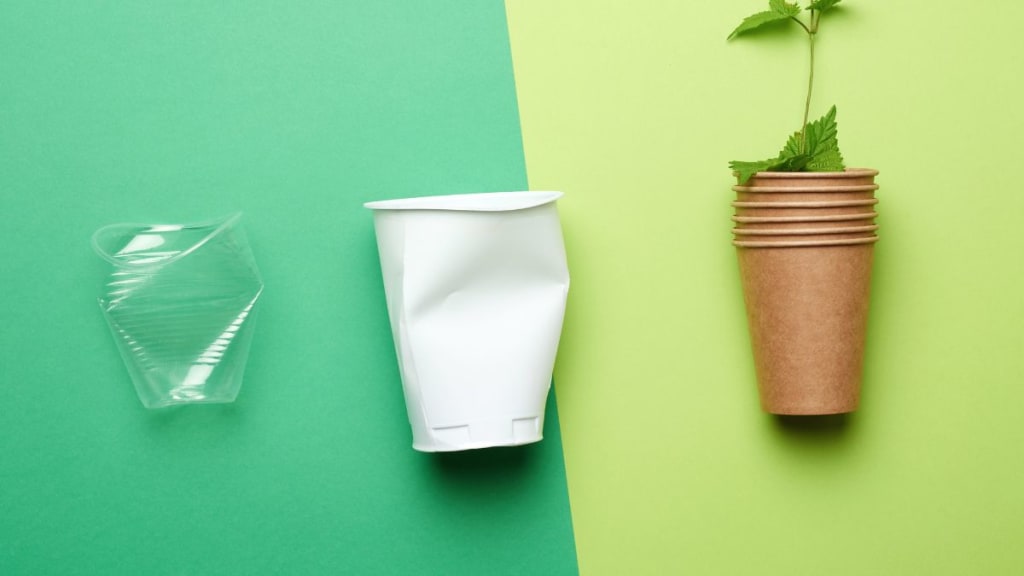
The debate of paper cups vs plastic cups has been ongoing for years, as people and businesses become more environmentally conscious. Both types of cups are commonly used in restaurants, cafes, and events, but which is the better choice? In this article, we will explore the differences between paper and plastic cups, including their environmental impact, cost, convenience, and overall sustainability. By the end, you'll have a clearer understanding of which option suits your needs while aligning with the goal of reducing waste and conserving resources.
1. Environmental Impact
Paper Cups: Are They Really Eco-Friendly?
Paper cups are often marketed as the environmentally friendly alternative to plastic cups, but are they truly sustainable? At first glance, paper cups seem like a greener choice due to their biodegradability. Unlike plastic cups, which take hundreds of years to break down, paper cups decompose more quickly.
However, many paper cups are lined with a thin layer of plastic (polyethylene) to prevent leaks, which complicates the recycling process. Only a small percentage of recycling facilities are equipped to handle these cups, meaning they often end up in landfills despite being labeled as recyclable.
Plastic Cups: The Long-Lasting Polluters
Plastic cups are notorious for their negative environmental impact. Made from petroleum-based materials, plastic cups take hundreds to thousands of years to decompose. The problem is worsened by the fact that plastic waste often ends up in oceans, posing a threat to marine life. Recycling plastic cups is more common than paper, but the rate of recycling is still low due to improper disposal and contamination.
2. Cost Comparison
Paper Cups: Higher Production Costs
Paper cups are generally more expensive to produce than plastic cups. This is due to the cost of materials, energy consumption, and the manufacturing process itself. The plastic lining in many paper cups adds to the production costs and makes the cups less eco-friendly. Additionally, businesses that want to use fully compostable or eco-friendly paper cups often pay a premium for those products.
Plastic Cups: Cheap to Produce
Plastic cups are cheaper to produce due to the low cost of petroleum-based materials and the efficiency of mass production. However, the environmental cost of plastic far outweighs the short-term savings. Businesses often favor plastic cups because of their low price, but this leads to higher long-term environmental expenses in waste management and pollution.
3. Convenience and Functionality
Paper Cups: Preferred for Hot Beverages
Paper cups are favored for hot drinks like coffee and tea because they provide better insulation compared to plastic cups. The heat retention in paper cups is better, which prevents burning your hands, especially when paired with a sleeve. The paper material also gives them a more premium feel, often preferred by cafes and restaurants for branding and aesthetics.
Plastic Cups: Best for Cold Drinks
Plastic cups excel in serving cold beverages such as sodas, iced teas, and smoothies. They are durable, less likely to become soggy, and can hold their shape under cold conditions. Additionally, plastic cups are often transparent, making them a popular choice for businesses that want to showcase their drinks with visual appeal.
4. Sustainability and Waste Management
Paper Cups: Compostable Options Available
Paper cups can be compostable if they are made without plastic linings. Fully compostable paper cups are becoming more widely available as businesses and consumers demand more sustainable options. However, the infrastructure for composting is still lacking in many regions, meaning that even compostable cups can end up in landfills. Additionally, the production of paper cups involves deforestation, which raises questions about their overall sustainability.
Plastic Cups: Recyclable but Often Mismanaged
Plastic cups are more easily recyclable than paper cups in most regions, but the problem is that they often aren’t disposed of properly. Contamination and lack of proper recycling practices result in most plastic cups ending up in landfills or polluting natural environments. While advancements in recycling technology are ongoing, the low recycling rate continues to be a significant issue.
5. Health Concerns
Paper Cups: Chemicals in the Lining
Though paper cups are generally considered safe for use, concerns have been raised about the chemicals used in the plastic lining. When exposed to high heat (as in hot beverages), some of these chemicals may leach into the drink. This potential health risk is minimized in fully compostable or biodegradable paper cups, but these are less commonly available.
Plastic Cups: Harmful Chemicals in Polypropylene
Plastic cups, especially those made from polypropylene, may also leach harmful chemicals into beverages, especially when exposed to heat or UV light. Bisphenol-A (BPA) is one such chemical that has been linked to various health issues, though many manufacturers have switched to BPA-free plastics. However, concerns about long-term exposure to microplastics persist.
6. Consumer Preferences and Trends
Paper Cups: Growing Demand for Eco-Friendly Alternatives
As consumers become more eco-conscious, the demand for eco-friendly paper cups is growing. Brands that emphasize sustainability are more likely to attract environmentally conscious consumers. Paper cups offer a more sustainable image, and many companies are capitalizing on this by using cups made from recycled materials or offering compostable options.
Plastic Cups: Still Popular Despite Environmental Concerns
Despite the growing awareness of the environmental impact of plastic, plastic cups remain widely used due to their cost-effectiveness and convenience. Fast food chains, festivals, and events continue to favor plastic cups for cold drinks, especially where price and durability are more important than environmental impact. However, growing pressure from consumers and environmental groups is pushing companies to explore alternatives.
7. Final Verdict: Paper Cups or Plastic Cups?
When comparing paper cups vs plastic cups, the choice isn’t always clear-cut. Paper cups have the advantage of biodegradability and a more eco-friendly image, but their plastic lining complicates recycling. Plastic cups, on the other hand, are durable and recyclable, but their long-term environmental damage is undeniable.
For hot beverages, paper cups are the superior choice due to insulation and safety, while plastic cups are better suited for cold drinks due to their strength and transparency. Businesses aiming to reduce their environmental footprint should consider using compostable paper cups or investing in recyclable plastic alternatives made from plant-based materials.
Ultimately, the decision depends on your priorities—whether it's cost, convenience, or sustainability. As technology and materials evolve, more eco-friendly solutions are likely to emerge, reducing the need for this debate in the future.
FAQs
1. Are paper cups compostable?
- Some paper cups are compostable, but many are lined with plastic, making them difficult to compost.
2. Which is better for the environment: paper or plastic cups?
- Paper cups are biodegradable, but the plastic lining can complicate recycling. Plastic cups take longer to decompose but are more recyclable.
3. Are plastic cups recyclable?
- Yes, but recycling rates are low due to improper disposal.
4. Can I use paper cups for cold drinks?
- Yes, but plastic cups are more durable and less likely to become soggy.
5. Do paper cups have any health risks?
- Paper cups lined with plastic may leach chemicals when exposed to high heat.
About the Creator
Mohamed Rasmid
"Be a better person than yesterday"
Keep reading
More stories from Mohamed Rasmid and writers in Education and other communities.
Effective Communication
Effective communication is the foundation of any successful relationship, whether it be a romantic relationship, a friendship, or a professional relationship. It is the key to understanding one another, resolving conflicts, and building trust. Unfortunately, many of us struggle with communication, and this can lead to misunderstandings, hurt feelings, and even the end of a relationship.
By Mohamed Rasmid 3 years ago in Humans
Why Are Coffee Beans More Than Just a Morning Habit?
Coffee is one of the most widely consumed beverages in the world, enjoyed daily by millions of people across cultures and continents. At the heart of every cup of coffee lies the coffee bean, a small but powerful ingredient that defines flavor, aroma, and quality. Coffee beans are not just agricultural products; they represent culture, lifestyle, and a major economic activity for many countries.
By Rohit Shah7 days ago in Education
The Devil's Triangle
The sails ruffled in the breeze as we cruised along. The Sea Breeze was a mid-size catamaran that sailed out of Royal Naval Dockyard in Bermuda. We had booked this trip weeks in advance and were now looking at our Captain, Spike and two boat hands. Paddy and Wilson seemed like nice guys, joking around with the passengers and telling us some stories about Bermuda that only locals would know. Their island accents sounded almost British but they were pleasant to listen to.
By Barbara Gode Wiles2 days ago in Fiction



Comments
There are no comments for this story
Be the first to respond and start the conversation.