


Pangolin
Pangolins are fascinating creatures that are known for their unique physical features and elusive nature. They are mammals belonging to the family Manidae and are native to parts of Africa and Asia. These scaly creatures are also known as scaly anteaters due to their diet, which mainly consists of ants and termites. Unfortunately, pangolins have become one of the most trafficked animals in the world, and their populations have drastically decreased due to poaching and habitat loss.
Physical Characteristics
Pangolins are unique mammals that have several distinct physical characteristics that set them apart from other animals. One of the most distinctive features of pangolins is their scaly exterior, which is made up of hard, keratinous scales. These scales are similar in appearance to armor plating and act as a protective barrier against predators.
Pangolins have a long, narrow snout that is used to locate their prey. They also have a long, sticky tongue that can extend up to 16 inches, allowing them to capture ants and termites with ease. Their tongue is covered in a sticky saliva that helps them capture their prey and is capable of rapidly reeling back into the mouth.
Pangolins have a small head and short legs, which makes them well-adapted to digging. They have sharp, curved claws on their forefeet that they use to dig into the soil and tear into termite mounds and ant nests. Their hind feet are also equipped with claws but are used for climbing trees and branches.
Pangolins have a thick, muscular tail that can be used for defense against predators. When threatened, they will curl up into a ball, using their tough scales and tail to protect their vulnerable belly and limbs. They can also emit a foul-smelling secretion from their anal glands as a defensive mechanism.
Overall, the physical characteristics of pangolins are adapted for their unique lifestyle as insectivores that dig and climb to capture their prey and protect themselves from predators.
Habitat and Distribution
Pangolins are found in parts of Africa and Asia, including India, Southeast Asia, and parts of China. They live in a range of habitats, including grasslands, forests, and savannas. Pangolins are nocturnal and spend most of their time in burrows and trees. They are solitary animals and only come together during mating season.
Diet
Pangolins are insectivores and primarily feed on ants and termites. They use their keen sense of smell to locate their prey, which they then capture using their long, sticky tongue. Pangolins can consume up to 70 million insects in a single year, making them a vital part of their ecosystem.
Threats and Conservation
Pangolins are the most trafficked mammal in the world, with their meat and scales being highly sought after in traditional Chinese medicine. The demand for pangolins has led to a drastic decline in their populations, with some species being classified as critically endangered. Habitat loss is also a significant threat to pangolins, as their forest and grassland habitats are being destroyed due to deforestation and agriculture.
Conservation efforts are underway to protect pangolins from extinction. Some countries have banned the trade and consumption of pangolins, and conservation organizations are working to raise awareness about the importance of protecting these animals. Researchers are also working to breed pangolins in captivity, with the hope of releasing them back into the wild.
In conclusion, pangolins are remarkable animals that play an essential role in their ecosystem. Unfortunately, their populations are declining due to human activities, and urgent action is needed to protect these creatures from extinction.
About the Creator
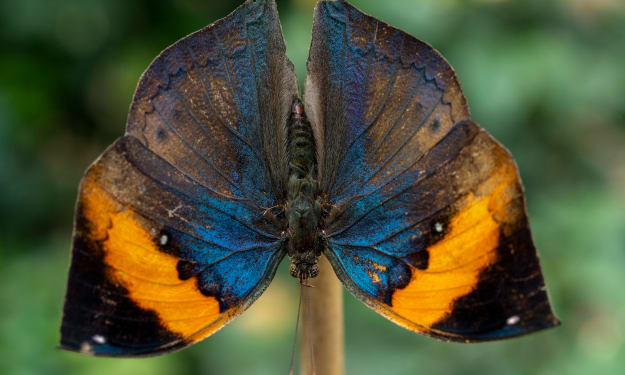
Vanishing Colors: The Fight to Protect Endangered Butterflies and Moths
Across fields and forests, butterflies and moths once moved in vibrant waves of color. Today, however, many of these species struggle to survive. Scientists continue to document population declines in multiple regions. As natural habitats shrink, these insects lose the resources they need to complete their life cycles. Consequently, ecosystems grow quieter and less diverse.
By Akito Kawahara8 days ago in Education



Comments
There are no comments for this story
Be the first to respond and start the conversation.