
Pakistan Politics
Pakistan politics is characterized by a complex and dynamic political landscape. Since gaining independence from Britain in 1947, Pakistan has had a tumultuous political history marked by periods of military rule, political instability, and religious tensions. Pakistan operates as a federal parliamentary democratic republic, with the President as the head of state and the Prime Minister as the head of government. However, the military has played a significant role in shaping Pakistan's political landscape, often intervening in the country's democratic processes. The two main political parties in Pakistan are the Pakistan Muslim League-Nawaz (PML-N) and the Pakistan People's Party (PPP). The PML-N is generally considered center-right, while the PPP is center-left. Other notable political parties include the Pakistan Tehreek-e-Insaf (PTI) led by Prime Minister Imran Khan, and the Muttahida Qaumi Movement (MQM). Political tensions in Pakistan have been driven by a variety of issues, including corruption, economic inequality, religious extremism, and territorial disputes with neighboring India. The country has also faced ongoing security challenges, including insurgency and terrorism, particularly in the northwestern region bordering Afghanistan. Overall, Pakistan's political situation remains complex and dynamic, with ongoing challenges and tensions that continue to shape the country's political landscape.

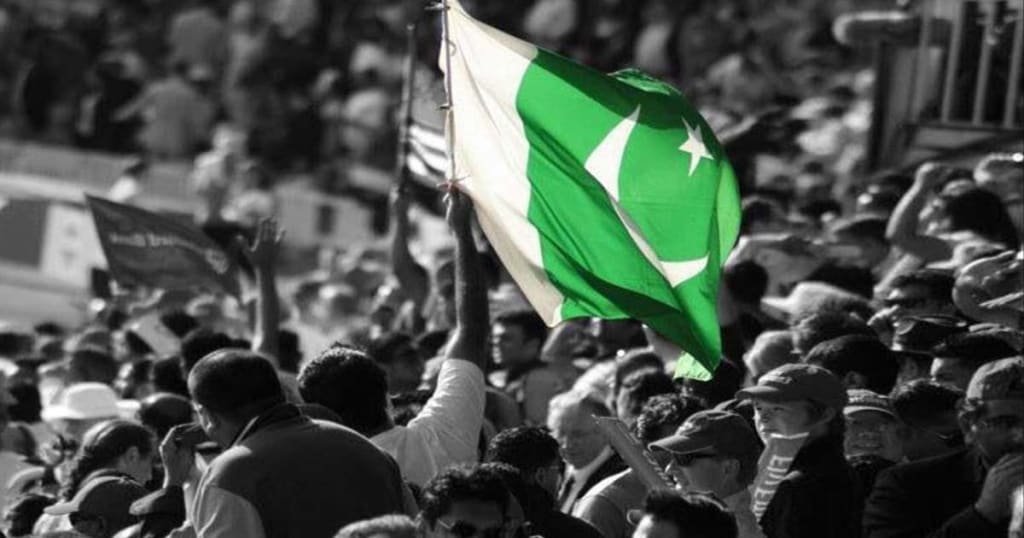
The politics of Pakistan has undergone significant changes over the years, shaped by various factors such as political, economic, and social conditions. Some of the key changes in recent years include:
Rise of Imran Khan and the PTI: The Pakistan Tehreek-e-Insaf (PTI) led by Imran Khan emerged as a major political force in the country, winning the 2018 general elections and forming the government. Khan's platform focused on anti-corruption, economic reform, and social justice, and his rise to power signaled a shift away from the traditional political parties.
Increasing role of social media: Social media has played a significant role in shaping the political discourse in Pakistan, with political parties and leaders using it as a platform to engage with voters and promote their agendas. The rise of social media has also given a voice to previously marginalized groups, such as women and young people.
Growing role of the judiciary: The judiciary in Pakistan has become increasingly assertive in recent years, taking on high-profile cases involving corruption and holding politicians and officials accountable. This has led to a greater focus on transparency and accountability in the political system.
Continuing military influence: Despite efforts to establish a more democratic system, the military continues to wield significant influence in Pakistani politics, with regular interventions in the political process. This has led to concerns about the country's democratic stability and the role of the military in the political system.
Overall, the politics of Pakistan remains complex and dynamic, with ongoing changes and challenges that continue to shape the country's political landscape.
Pakistan has been facing political instability for several decades. Political instability is characterized by frequent changes in the government, weak and ineffective governance, and a lack of stability in the political system. Some of the factors contributing to political instability in Pakistan include:
Military interventions: Pakistan has had a history of military interventions in the political process, leading to frequent changes in government and undermining democratic stability.
Corruption: Corruption has been a major issue in Pakistan's political system, with many politicians and officials being accused of embezzlement, bribery, and other corrupt practices. This has eroded public trust in the government and led to a lack of effective governance.
Economic challenges: Pakistan faces a number of economic challenges, including high inflation, a large trade deficit, and a lack of foreign investment. These challenges have led to social unrest and political instability.
Ethnic and religious tensions: Pakistan is a diverse country with multiple ethnic and religious groups, and tensions between these groups have contributed to political instability.
Overall, political instability in Pakistan has led to a lack of effective governance, economic challenges, and social unrest. The country's political system is facing numerous challenges, and there is a need for political reforms and greater accountability to address these issues and promote stability.
Pakistan has been facing political instability for several decades. Political instability is characterized by frequent changes in the government, weak and ineffective governance, and a lack of stability in the political system. Some of the factors contributing to political instability in Pakistan include:
Military interventions: Pakistan has had a history of military interventions in the political process, leading to frequent changes in government and undermining democratic stability.
Corruption: Corruption has been a major issue in Pakistan's political system, with many politicians and officials being accused of embezzlement, bribery, and other corrupt practices. This has eroded public trust in the government and led to a lack of effective governance.
Economic challenges: Pakistan faces a number of economic challenges, including high inflation, a large trade deficit, and a lack of foreign investment. These challenges have led to social unrest and political instability.
Ethnic and religious tensions: Pakistan is a diverse country with multiple ethnic and religious groups, and tensions between these groups have contributed to political instability.
Overall, political instability in Pakistan has led to a lack of effective governance, economic challenges, and social unrest. The country's political system is facing numerous challenges, and there is a need for political reforms and greater accountability to address these issues and promote stability.
About the Creator
Naeem Bukhari
I am adept at meticulously researching any topic given by creating well-optimized, search-engine friendly content for your project as increasing online traffic and visibility should be your main focus.
Keep reading
More stories from Naeem Bukhari and writers in Education and other communities.
A brief history of alcohol
This chimpanzee stumbles across a windfall of overripe plums. Many of them have split open, drawing him to their intoxicating fruity odor. He gorges himself and begins to experience some… strange effects. This unwitting ape has stumbled on a process that humans will eventually harness to create beer, wine, and other alcoholic drinks. The sugars in overripe fruit attract microscopic organisms known as yeasts. As the yeasts feed on the fruit sugars they produce a compound called ethanol— the type of alcohol in alcoholic beverages.
By Munesh Yadava day ago in Education
The Lean Advantage: How Small Improvements Create Massive Business Wins
In today’s fast-moving market, businesses don’t always need massive overhauls to see major growth. The real competitive advantage often comes from Lean process improvement—small, consistent changes that reduce waste, improve speed, and strengthen customer value. With a proactive approach, companies can spot inefficiencies early, prevent recurring problems, and build smarter systems before minor issues become costly setbacks.
By Duke Valentour2 days ago in Education


Comments
There are no comments for this story
Be the first to respond and start the conversation.