
Over come diabetes mellitus:
"Strategies for Managing and Living with Type 1 and Type 2 Diabetes"
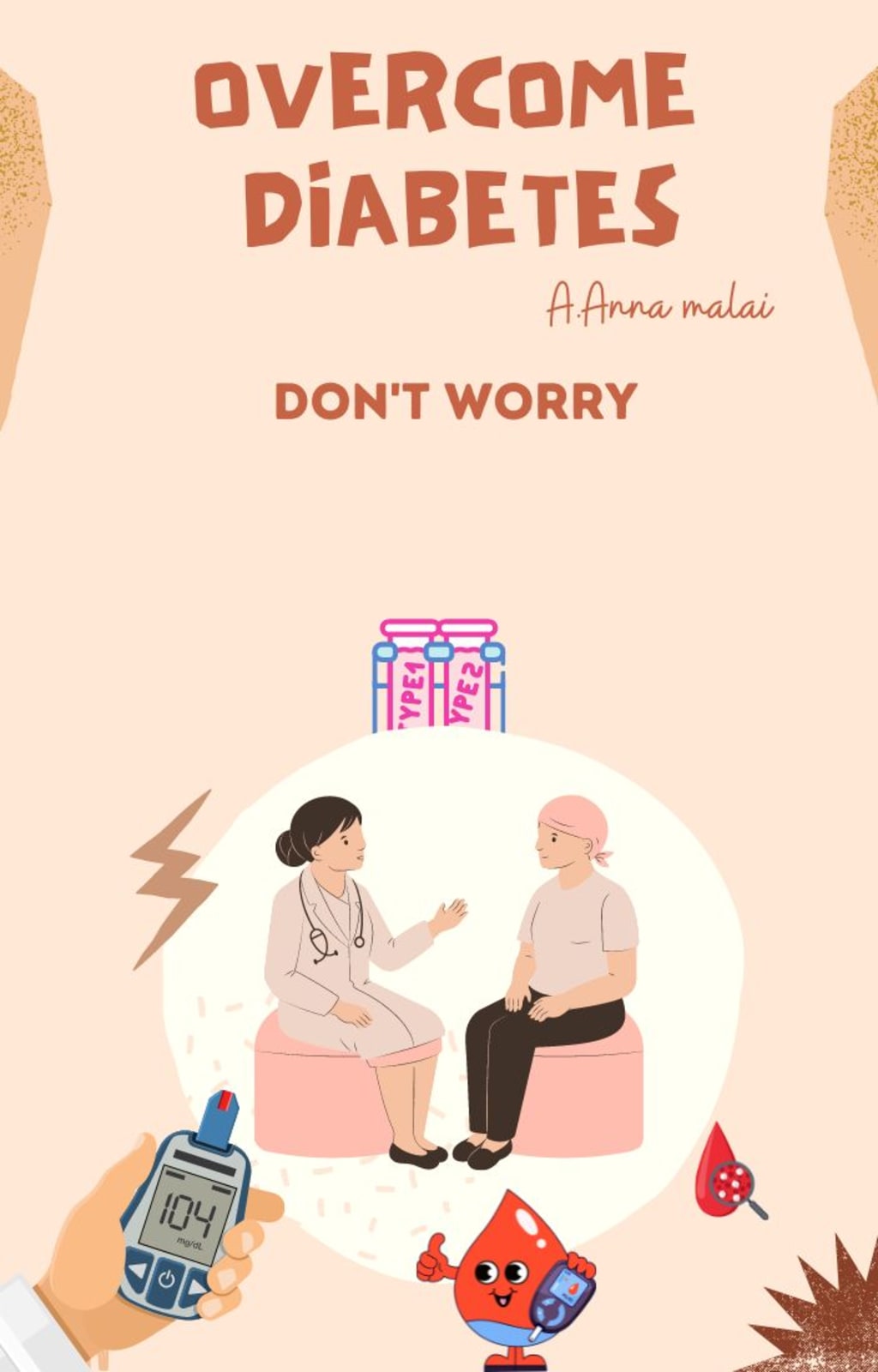
Overcome diabetes
Introduction;
Diabetes is a chronic health condition in which the body is unable to produce or properly use insulin, a hormone that regulates blood sugar levels. This can lead to elevated levels of glucose in the blood, which can cause a range of complications, including damage to the eyes, nerves, kidneys, heart and blood vessels, as well as an increased risk of stroke and heart disease. There are two main types of diabetes: type 1, which is typically diagnosed in childhood, and type 2, which is the most common form of the disease and is often associated with lifestyle factors such as obesity and physical inactivity. Effective management of diabetes typically involves making lifestyle changes, monitoring blood sugar levels, and taking medications as prescribed by a doctor.
Types of Diabetes;
Type 1 Diabetes:
Type 1 diabetes is an autoimmune disease that occurs when the body's immune system mistakenly attacks and destroys the insulin-producing cells (beta cells) in the pancreas. This results in an absolute insulin deficiency, meaning there is not enough insulin in the body to regulate blood sugar levels. People with type 1 diabetes must take insulin injections or use an insulin pump to replace the missing insulin and maintain proper blood sugar levels. Type 1 diabetes typically develops in childhood or adolescence and accounts for 5-10% of all cases of diabetes.
Type 2 Diabetes:
Type 2 diabetes is the most common type of diabetes, accounting for 90-95% of all cases. It is a metabolic disorder that is characterized by high blood sugar levels due to the body's resistance to insulin or an inability of the pancreas to produce enough insulin. In type 2 diabetes, the body's cells do not respond properly to insulin (insulin resistance), and over time the pancreas may not produce enough insulin to keep up with the body's needs. Unlike type 1 diabetes, type 2 diabetes usually develops in adulthood, and is often associated with lifestyle factors such as being overweight, a sedentary lifestyle, and an unhealthy diet.
Gestational Diabetes:
Gestational diabetes is a form of diabetes that develops during pregnancy. It affects about 3-10% of pregnant women and is caused by the hormonal changes that occur during pregnancy, which can affect how the body processes insulin. Women who have gestational diabetes are at higher risk of developing type 2 diabetes later in life, and their children are also at higher risk of developing type 2 diabetes.
Prediabetes:
Prediabetes is a condition in which blood sugar levels are higher than normal, but not high enough to be classified as type 2 diabetes. People with prediabetes are at higher risk of developing type 2 diabetes, as well as heart disease and stroke. Prediabetes is often a warning sign that lifestyle changes, such as maintaining a healthy weight, eating a balanced diet, and increasing physical activity, are needed to prevent the development of type 2 diabetes.
Causes of Diabetes
Type 1 Diabetes
Type 1 diabetes is caused by a combination of genetic and environmental factors. It is believed that people who are predisposed to type 1 diabetes are more likely to develop the disease if they are exposed to certain environmental triggers. Some of these triggers include viruses, such as the Coxsackie virus, and a diet high in cow's milk protein.
Genetics play a significant role in the development of type 1 diabetes. There are several genetic markers that have been linked to an increased risk of developing the disease, including HLA (human leukocyte antigen) genes. These genes help the immune system distinguish between self and non-self proteins, but in people with type 1 diabetes, the immune system mistakenly attacks the insulin-producing cells in the pancreas.
Type 2 Diabetes
Type 2 diabetes is caused by a combination of genetic and lifestyle factors. People who are overweight or obese are at a higher risk of developing type 2 diabetes, as are those with a family history of the disease.
Obesity is a major risk factor for type 2 diabetes because it causes insulin resistance, which means that the body becomes less sensitive to insulin and less able to regulate blood sugar levels. People who are overweight or obese are also more likely to have other risk factors for diabetes, such as high blood pressure, high cholesterol, and poor diet.
Lifestyle factors also play a significant role in the development of type 2 diabetes. A diet high in sugar, refined carbohydrates, and saturated fat can lead to insulin resistance and an increased risk of developing type 2 diabetes. A sedentary lifestyle, with little physical activity, can also increase the risk of developing type 2 diabetes.
Metabolic Disorders
Metabolic disorders can also contribute to the development of diabetes. For example, people with Polycystic Ovary Syndrome (PCOS) are at a higher risk of developing type 2 diabetes. PCOS is a hormonal disorder that affects women and causes the ovaries to become enlarged and filled with fluid-filled cysts.
Women with PCOS often have higher levels of insulin, which can lead to insulin resistance and an increased risk of developing type 2 diabetes. Women with PCOS are also more likely to be overweight or obese, which further increases the risk of developing type 2 diabetes.
Medications
Some medications can also increase the risk of developing diabetes. Steroids, such as prednisone, can increase blood sugar levels and lead to insulin resistance. Antipsychotics, such as clozapine, can also increase the risk of developing diabetes by causing weight gain and increasing insulin resistance.
Pancreatic Diseases
Pancreatic diseases, such as pancreatitis, can also contribute to the development of diabetes. Pancreatitis is an inflammation of the pancreas that can destroy the insulin-producing cells and lead to an inability to produce insulin
Risk Factors for Diabetes
The following are known risk factors for developing type 2 diabetes:
Family history and genetics
Being overweight or obese
Inactivity and a sedentary lifestyle
Age (risk increases with age)
High blood pressure
High cholesterol levels
Pre-existing medical conditions (such as polycystic ovary syndrome)
A history of gestational diabetes or giving birth to a large baby (weighing over 9 pounds)
Race and ethnicity (higher risk for African Americans, Hispanic/Latino Americans, American Indians, and some Asian Americans)
Poor diet and unhealthy eating habits.
Symptoms of Diabetes
Increased thirst
Frequent urination
Hunger even after eating
Fatigue and weakness
Blurred vision
Slow wound healing
Numbness or tingling in the hands and feet
Unintended weight loss
Read more in my book ; https://www.amazon.com/dp/B0BVGDJ3V3?
About the Creator
Keep reading
More stories from writers in Education and other communities.
Understanding Ductwork Airflow Distribution for Modern Homes
Ductwork airflow distribution is the system that moves heated or cooled air through a building. Many homeowners hear the word ductwork but do not fully understand what it does or why it matters. This guide explains the basics in a clear and simple way. By the end, you will know how air moves, why design matters, and how small issues can affect comfort and energy use.
By Lickety Split3 days ago in Education
Smart Ways to Prevent AI From Taking Your Job
Artificial intelligence is changing the workplace faster than almost any technology before it. From automated customer service to AI-generated reports, images, and code, it’s natural to wonder: Will AI take my job?
By Anthony Bahamonde5 days ago in Education


Comments
There are no comments for this story
Be the first to respond and start the conversation.