
Outdoor Learning in Nursery: The Benefits of Nature-Based Education
How outdoor play and nature activities enhance physical, cognitive, and emotional growth.

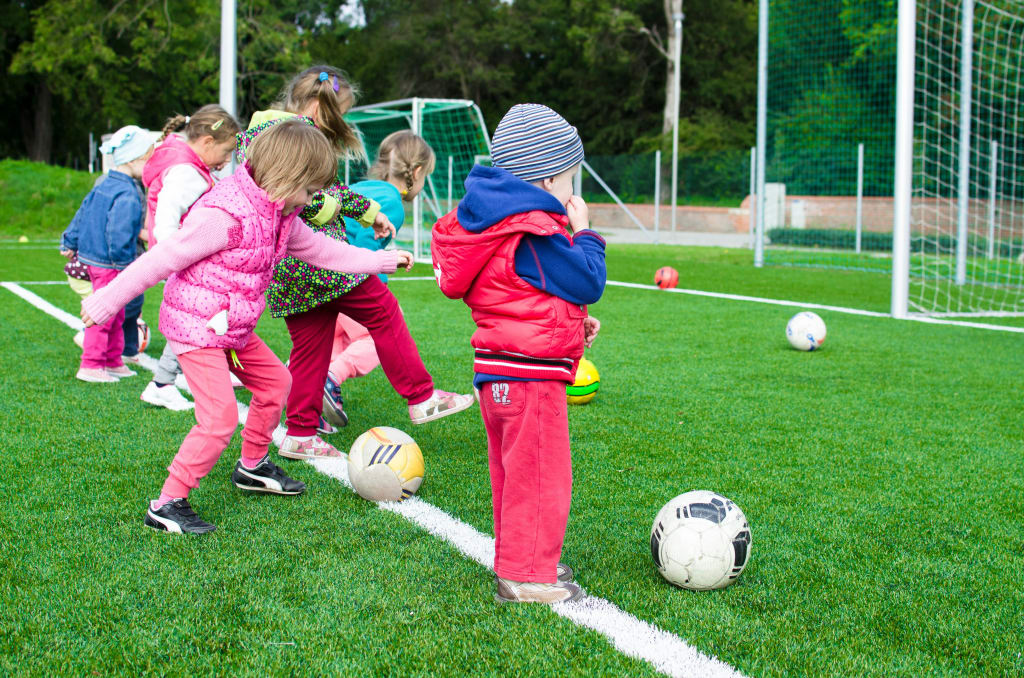
Outdoor learning has become an essential part of early childhood education, offering young children the opportunity to explore, discover, and develop essential skills in a natural environment. Many nurseries now recognize the value of nature-based education and incorporate outdoor learning into their daily routines. This approach goes beyond traditional classroom teaching, allowing children to engage with nature, develop curiosity, and build confidence through hands-on experiences.
Why Outdoor Learning Matters in Early Childhood
Children are naturally curious and thrive in environments where they can explore freely. Outdoor learning provides an open-ended setting where young minds can develop essential cognitive, social, and physical skills. Being in nature fosters a sense of wonder, encourages problem-solving, and supports emotional well-being. Studies have shown that children who engage in regular outdoor activities tend to have better focus, improved motor skills, and a greater appreciation for the environment.
Cognitive and Social Development Through Outdoor Play
One of the key benefits of outdoor learning is its impact on cognitive development. When children engage in activities such as digging, collecting leaves, or observing insects, they develop critical thinking and observational skills. Natural environments provide countless opportunities for sensory exploration, which is essential for brain development in early years.
Social skills also improve through outdoor learning. In open spaces, children naturally collaborate, negotiate, and communicate with their peers. Whether building dens, playing group games, or taking part in nature-based storytelling, they learn teamwork, patience, and problem-solving. Outdoor learning encourages independence, as children make decisions about how they interact with their surroundings and each other.
Physical Health and Well-being Benefits
Spending time outdoors contributes significantly to children's physical health. Running, climbing, and balancing on uneven surfaces help develop coordination, strength, and flexibility. Unlike indoor environments, where movement can be restricted, outdoor play allows for unrestricted activity, which is essential for healthy growth.
Exposure to fresh air and natural sunlight also has physical benefits. Sunlight provides vitamin D, which is crucial for bone health and immune system support. Additionally, outdoor play reduces stress and anxiety, helping children feel more relaxed and focused when they return to the classroom.
How Nurseries Implement Outdoor Learning
Many nurseries incorporate outdoor learning through structured and unstructured activities. Forest school sessions, gardening projects, and wildlife exploration are common ways to introduce nature-based education. These activities not only enhance learning but also instill a sense of environmental responsibility from a young age.
Some nurseries have designated outdoor classrooms, while others make use of local parks and nature reserves. Regardless of the setting, the goal remains the same: to provide children with meaningful experiences that connect them to the natural world.
A strong emphasis on outdoor learning can be found in Andover nursery programs, where children are encouraged to explore local woodlands, engage in sensory play, and develop a love for nature. This approach aligns with the growing recognition that early childhood education should extend beyond indoor classrooms.
The Long-Term Impact of Outdoor Learning
The benefits of outdoor learning extend beyond the nursery years. Children who develop a connection with nature from an early age are more likely to appreciate the environment and adopt sustainable habits as they grow. Moreover, the confidence, resilience, and problem-solving skills gained through outdoor play can positively impact their academic and personal development in later years.
Parents searching for high-quality schools in Hampshire should consider institutions that prioritize outdoor learning. A well-balanced early education program that integrates nature-based activities helps children develop holistically, preparing them for lifelong success.
Conclusion
Outdoor learning in nursery settings offers a wealth of benefits, from cognitive and social development to physical well-being and environmental awareness. By embracing nature-based education, nurseries provide children with opportunities to explore, create, and build essential life skills. As outdoor learning continues to gain recognition, more nurseries are adopting this approach to ensure that children receive a well-rounded and enriching early education experience.
Read More :- Navigating School Transitions: How to Help Your Child Adjust to a New Grade or School
About the Creator
William Henry
At Best Independent Schools UK, we are here to make your journey smoother by providing detailed information about some of the best nurseries and preparatory schools in England
Keep reading
More stories from William Henry and writers in Education and other communities.
A Day in the Life of a Prep School Student: What to Expect
Choosing the right prep school is a crucial decision for parents, and understanding what a typical day looks like can help ease the transition. A structured yet engaging daily routine ensures that children receive a well-rounded education while developing essential social and cognitive skills. From the morning drop-off to home time, each part of the day is carefully designed to support a child’s growth in a nurturing environment.
By William Henry11 months ago in Education
The Education Situation: A Small Rant
A note: This is meant to be only a description of my thoughts and feelings towards education and my reflections on leaving the teaching profession. I understand every school/district/state/etc. is different, I am simply sharing my experiences having been a young teacher for 4 years here in Florida. For any other struggling teacher who reads this, you are not alone. I only set out to share my perspective with others who can relate and understand and to vent my frustration about a system that chewed me up and spit me out.
By Elise Spillera day ago in Education
The Rise of Online Learning in Education
Online learning has become a fundamental part of education. Many institutions now view it as essential: one report notes that 65% of colleges consider online programs critical to their strategic plans. This shift is driven by both technological advances and changing learner needs. Surveys confirm strong student demand for digital options – for example, a study found that 95% of undergraduates wanted at least one online course per semester. In other words, schools are expanding online offerings because doing so improves access and meets modern expectations, all while maintaining high-quality instruction.
By Kashif Khan6 days ago in Education



Comments
There are no comments for this story
Be the first to respond and start the conversation.