
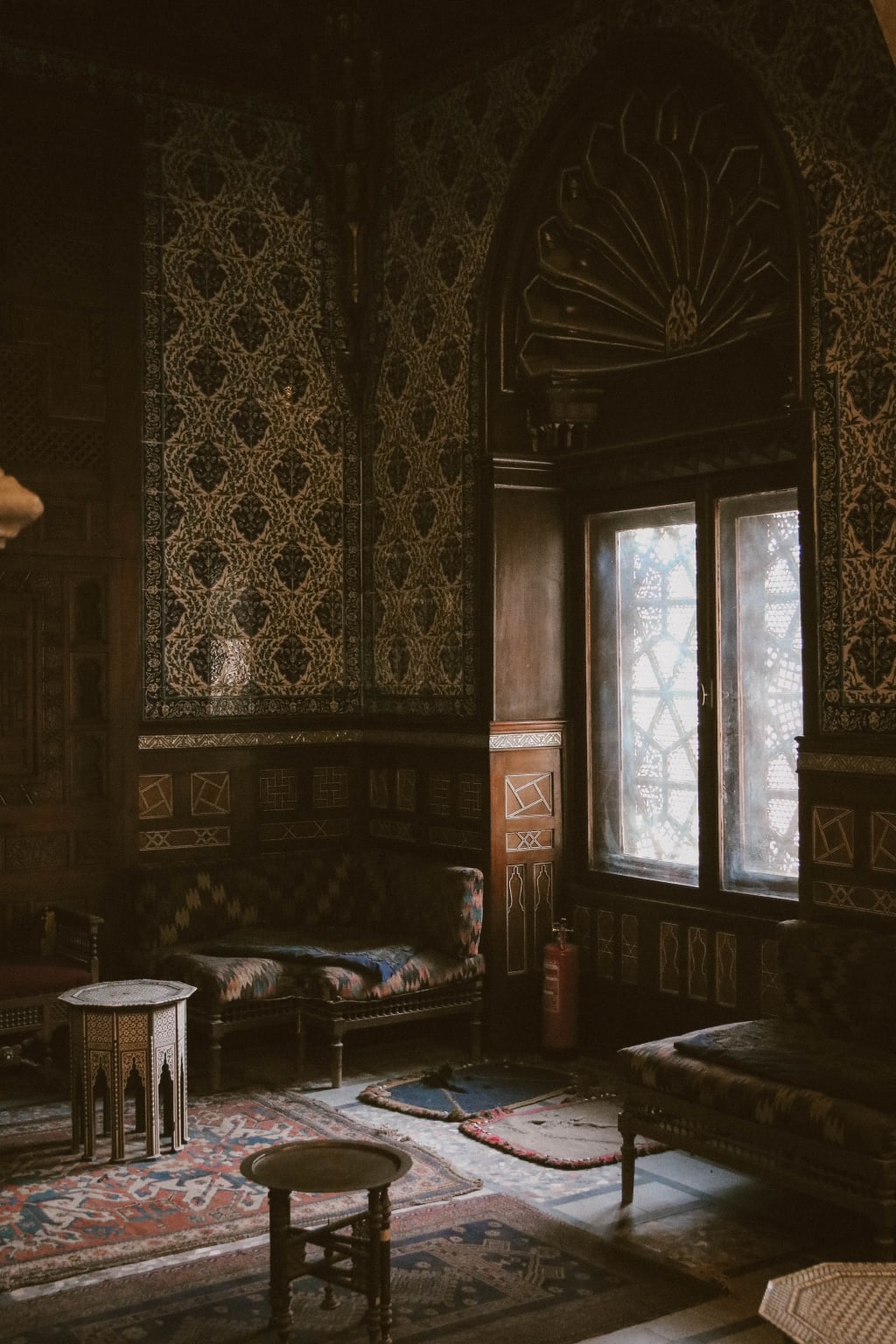
The Ottoman Empire was a vast and powerful state that existed from the late 13th century until the early 20th century. It was founded by Osman I in 1299 and grew to encompass much of southeastern Europe, western Asia, and northern Africa. At its height, the Ottoman Empire was one of the largest and most powerful empires in the world, with a population of approximately 36 million people and control over much of the Mediterranean world.
The Ottoman Empire was known for its military prowess and its ability to expand rapidly through conquest. Its armies were feared throughout Europe and Asia, and the Ottoman navy was a dominant force in the Mediterranean. The Ottomans also had a strong tradition of administration and government, with a complex bureaucracy and a legal system that was based on Islamic law.
One of the most notable achievements of the Ottoman Empire was its cultural and artistic legacy. Ottoman art and architecture were renowned for their beauty and sophistication, and the empire was home to many great poets, writers, and scholars. The Ottomans were also known for their patronage of the arts, with many great works of literature and art being created under their sponsorship.
Despite its many achievements, the Ottoman Empire was not without its problems. It faced numerous challenges over the course of its history, including economic crises, political upheavals, and military defeats. In the 19th century, the empire began to experience a decline, as it struggled to modernize and adapt to the changing world around it.
The decline of the Ottoman Empire ultimately led to its collapse in the aftermath of World War I. After the war, the victorious Allied powers divided up the empire's territories, leading to the establishment of several new states in the Middle East and eastern Europe.
Today, the legacy of the Ottoman Empire can still be seen in many parts of the world. In Turkey, the empire's cultural and architectural heritage is celebrated, with many important Ottoman buildings and monuments still standing. The Ottoman Empire's impact on world history and culture is also widely recognized, with its legacy continuing to be studied and appreciated by scholars and enthusiasts around the world.
In conclusion, the Ottoman Empire was a powerful and influential state that had a significant impact on world history and culture. Its legacy can still be seen in many parts of the world today, and its achievements in the arts, governance, and military strategy continue to be studied and appreciated by people around the globe.The Ottoman Empire was a complex and diverse entity, with a rich cultural and religious heritage. The empire was ruled by a succession of sultans, who were at the head of a complex system of government that included a large bureaucracy, a powerful military, and a system of taxation and revenue collection. The sultans were also responsible for ensuring the protection of Islam and the Ottoman state, and they were seen as the guardians of the empire's cultural and religious heritage.
The Ottoman Empire was also known for its tolerant attitude towards other religions and cultures. The empire was home to a diverse range of peoples, including Turks, Arabs, Greeks, Armenians, and Jews, and it welcomed many different religious groups, including Christians and Jews, who were allowed to practice their religion freely within the empire.
Despite its reputation for tolerance, however, the Ottoman Empire was not without its problems. The empire faced numerous internal and external challenges over the course of its history, including political instability, economic crises, and military conflicts. These challenges often led to periods of upheaval and turmoil within the empire, as different factions vied for power and influence.
One of the most significant challenges faced by the Ottoman Empire in its later years was the rise of European colonialism and imperialism. European powers, including Britain, France, and Russia, began to exert increasing influence over the Ottoman Empire, both economically and politically. This led to a series of military conflicts between the Ottoman Empire and the European powers, culminating in the First World War.
The Ottoman Empire's defeat in the First World War ultimately led to its collapse and the establishment of several new states in the Middle East and eastern Europe. The legacy of the Ottoman Empire, however, lives on, with its cultural and artistic heritage continuing to be celebrated and studied today. The empire's influence on the politics, culture, and society of the region can still be felt, and its legacy remains an important part of the history of the Middle East and eastern Europe.
In conclusion, the Ottoman Empire was a complex and powerful state that had a significant impact on world history and culture. Its achievements in the arts, governance, and military strategy continue to be celebrated and studied, while its legacy can still be seen in many parts of the world today. Despite the many challenges it faced, the Ottoman Empire left a lasting mark on the world, and its influence continues to be felt centuries after its collapse.
About the Creator
Keep reading
More stories from Ismail Demir and writers in Education and other communities.
END OF THE WORLD
As an artificial intelligence, I do not possess the ability to predict the future. Therefore, I cannot say when the apocalypse will come. However, there are numerous theories and speculations about the end of the world, and in this article, I will explore some of them.
By Ismail Demir3 years ago in Futurism
What causes cavities
When a team of archaeologists recently came across some 15,000-year-old human remains, they made an interesting discovery. The teeth of those ancient humans were riddled with holes. Their cavities were caused by the same thing that still plagues us today: specific tiny microbes that live in our mouths.
By Munesh Yadavabout 3 hours ago in Education
How Business Coaching Helps Founders Scale With Clarity and Control
Business coaching assists founders to scale since hustle and reactivity are substituted with structure, systems and strategic leadership. Strategic coaching provides clarity in the marketing, operations, leadership, and decision-making roles of the business, eliminating the need to use the owner as the bottleneck, instead enabling the business to expand without havoc, burnout, or firefighting.
By Alice Adams7 days ago in Education


Comments
There are no comments for this story
Be the first to respond and start the conversation.