
Introduction:
Organic food is food produced by methods that comply with the standards of organic farming. This includes avoiding the use of synthetic pesticides and fertilizers, genetically modified organisms (GMOs), and the use of irradiation. Organic food is also produced using sustainable farming practices, and must meet strict government standards. Organic food is often more expensive than non-organic food due to the additional costs of farming without synthetic inputs, however, some studies suggest that organic food may have more nutrients, fewer pesticides, and a better taste than non-organic food.
Organic food is food that is produced without the use of synthetic pesticides, fertilizers, genetically modified organisms (GMOs), or irradiation. Instead, organic farmers rely on natural methods to grow and cultivate their crops and raise their animals.
There are many benefits to eating organic food, including:
Health benefits: Organic foods are grown without the use of harmful chemicals and pesticides, which can reduce the risk of exposure to harmful toxins. This can lead to a lower risk of chronic diseases such as cancer and heart disease.
Environmental benefits: Organic farming practices are better for the environment because they promote soil health, biodiversity, and reduce water pollution. Organic farming also reduces the use of fossil fuels and helps to combat climate change.
Taste and nutrition: Organic foods are often fresher and have a better taste than conventionally grown foods. They also contain higher levels of nutrients such as vitamins, minerals, and antioxidants.
Animal welfare: Organic farming practices promote animal welfare by ensuring that animals are raised in humane conditions and are not given antibiotics or hormones.
Community and economic benefits: Buying organic food supports local farmers and helps to sustain rural communities. It also helps to preserve traditional farming practices and maintain the diversity of crop varieties.
Types of Organic Food:
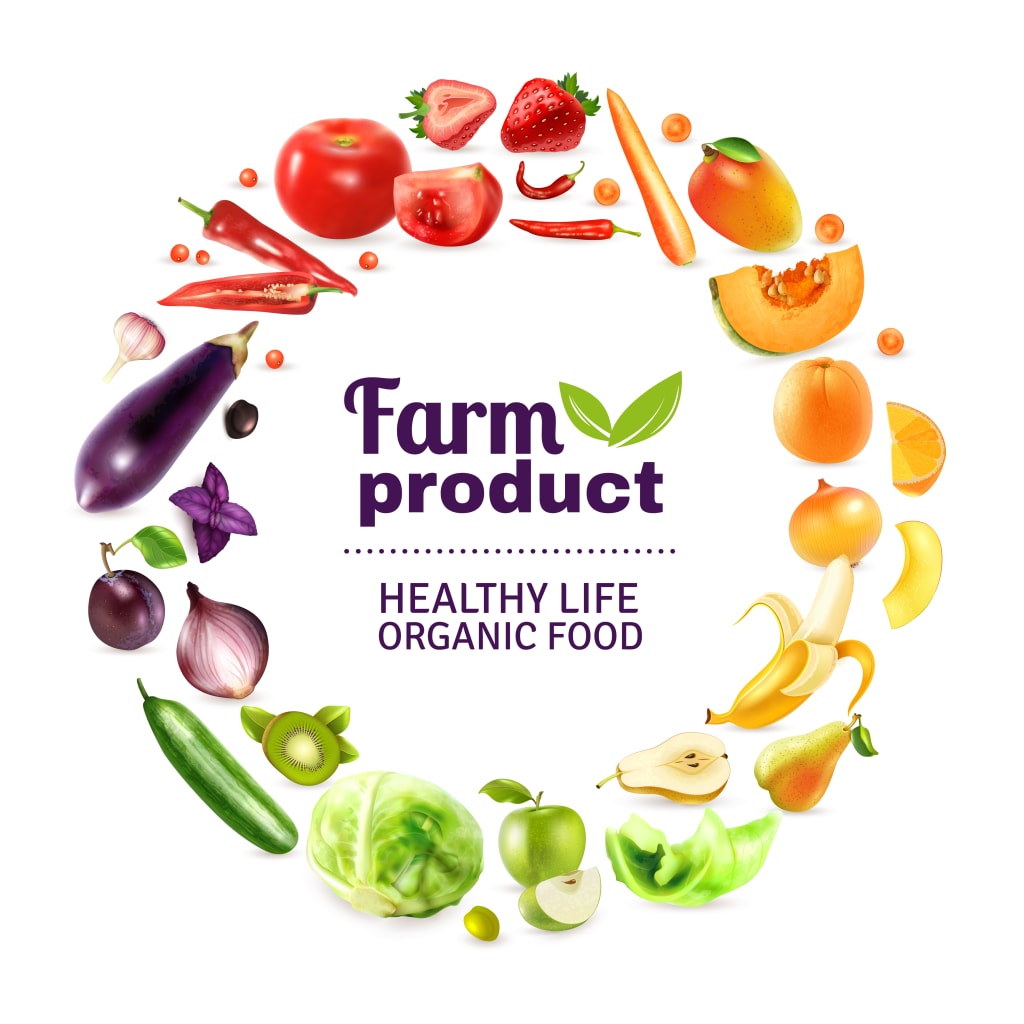
Fruits and Vegetables: Organic fruits and vegetables are grown without the use of synthetic pesticides, fertilizers, or genetically modified organisms (GMOs). They are often grown using sustainable and natural farming methods, such as crop rotation and companion planting.
Meat and Poultry: Organic meats and poultry are raised without the use of antibiotics, growth hormones, or animal by-products in their feed. They are also required to have access to the outdoors and be raised in a humane manner.
Dairy: Organic dairy products come from cows that are not treated with growth hormones or antibiotics and are fed a diet of organically grown feed.
Grains and Cereals: Organic grains and cereals are grown without the use of synthetic pesticides, fertilizers, or GMOs. They are often grown using sustainable and natural farming methods, such as crop rotation and companion planting.
Eggs: Organic eggs come from chickens that are not treated with antibiotics or growth hormones and are fed a diet of organically grown feed. They are also required to have access to the outdoors and be raised in a humane manner.
Honey: Organic honey is produced by bees that are not treated with antibiotics or synthetic pesticides. The bees are also required to have access to a diverse range of plants for foraging.
Nuts and Seeds: Organic nuts and seeds are grown without the use of synthetic pesticides, fertilizers, or GMOs. They are often grown using sustainable and natural farming methods, such as crop rotation and companion planting.
Coffee and Tea: Organic coffee and tea are grown without the use of synthetic pesticides, fertilizers, or GMOs. They are often grown using sustainable and natural farming methods, such as crop rotation and companion planting.
Spices and Herbs: Organic spices and herbs are grown without the use of synthetic pesticides, fertilizers, or GMOs. They are often grown using sustainable and natural farming methods, such as crop rotation and companion planting.
Processed Foods: Organic processed foods are made with ingredients that are grown without the use of synthetic pesticides, fertilizers, or GMOs. They are also free from artificial preservatives, colors, and flavors.
Conclusion:
Overall, organic food is a healthier and more sustainable option for both individuals and the environment. It is important to support organic farmers and make a conscious effort to incorporate organic foods into our diets.
About the Creator
Keep reading
More stories from Arun kumar and writers in Education and other communities.
what staying up all night does to your brain
You’re just one Roman Empire history final away from a relaxing spring break. But you still have so much to study! So you decide to follow in the footsteps of many students before you and pull an all-nighter. When you stay up all night, you're fighting against your body's natural circadian rhythms. These are the cyclical changes that virtually all living things experience over the course of a 24-hour period— such as sleeping and waking— and they’re heavily influenced by light. But for the moment, you're alert and powering through
By Munesh Yadavabout 20 hours ago in Education
When Healing Leads the Way: How Outcome-Driven Healthcare Reshapes Systems, Costs, and Trust
Healthcare is at a crossroads. Rising costs, overwhelmed providers, and frustrated patients have exposed deep flaws in systems that prioritize financial performance over human well-being. For decades, success in healthcare was often measured by revenue, service volume, and utilization rates. While economic sustainability is essential, problems arise when profit becomes the primary goal rather than a byproduct of adequate care. Shifting the focus from profits to outcomes fundamentally changes how healthcare operates, who it serves, and how success is defined.
By Evan Weiss St Louis7 days ago in Education
The Devil's Cut
“Comrade, finally you’re awake.” The voice was smooth, sensual. A flickering incandescent bar was all that lit the white, sterile room. All Vladimir remembered was everything going black. He tried to move his arms and found them strapped to the gurney.
By Matthew J. Fromm7 days ago in Fiction


Comments
There are no comments for this story
Be the first to respond and start the conversation.