
op Tips for Aspiring Interior Designers to Build Essential Skills and Real-World Experience
Explore Practical Skills and Career Advice Every Aspiring Interior Designer Needs for Success
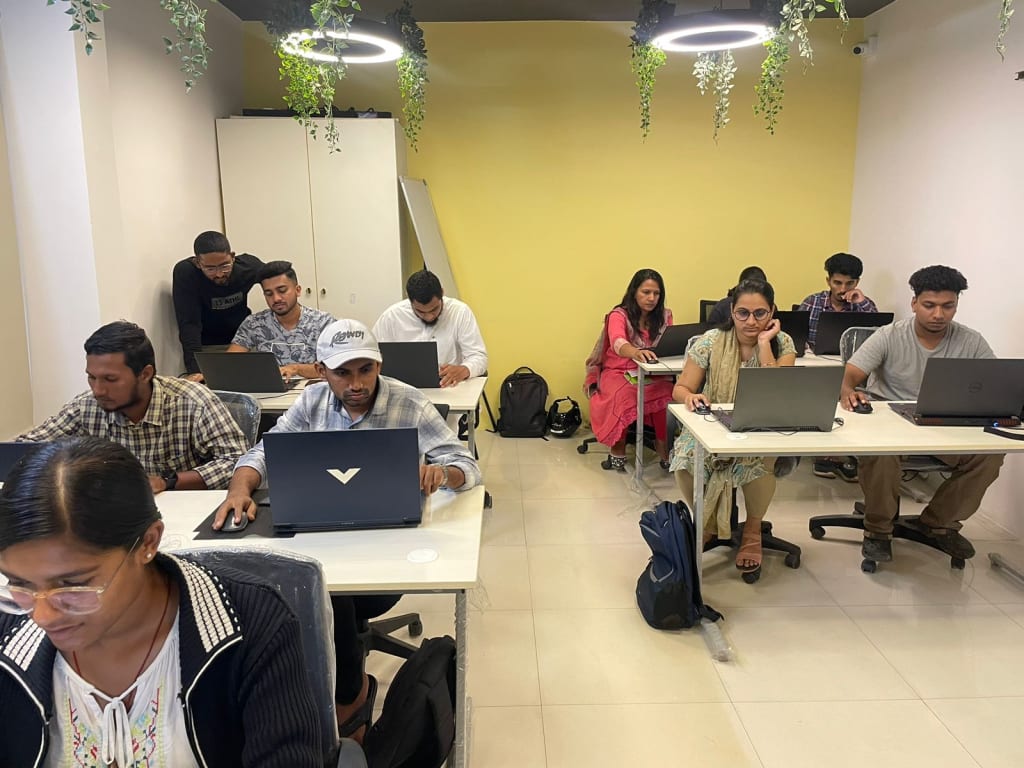
Starting a career in interior design is an exciting journey that blends creativity, technical skills, and practical experience. For aspiring designers, building a solid foundation is key to achieving success in this competitive field. Here are some essential tips to develop your skills and gain the experience needed to thrive as an interior designer.
1. Master the Basics of Design Principles
Understanding foundational design principles is essential in creating aesthetically pleasing and functional spaces. Focus on concepts like space planning, color theory, balance, and proportion. Learning these fundamentals equips you with the knowledge needed to create harmonious and impactful designs. Many training programs, including those from respected institutions, incorporate these principles to ensure a well-rounded education.
2. Build Technical Skills with Industry Tools
Modern interior design relies heavily on digital tools. Familiarizing yourself with software like AutoCAD, SketchUp, and Adobe Creative Suite will allow you to create 3D renderings and detailed plans, helping clients visualize their spaces. Proficiency in these tools is a must, as it enhances your ability to present ideas professionally and work efficiently with teams. Including technical skills in your portfolio is crucial in establishing your expertise.
3. Gain Real-World Experience with Internships
Hands-on experience is invaluable for interior designers. Internships, job shadowing, and site visits give you exposure to real projects, allowing you to apply theoretical knowledge in practical settings. These experiences also build your understanding of the industry and help you gain insights from experienced professionals. Many training programs emphasize site visits and internships to give students the experience they need to enter the field confidently.
4. Develop Strong Communication Skills
Interior design is a collaborative field requiring effective communication. Designers must clearly articulate ideas and understand client expectations to create spaces that meet their needs. Strong communication skills enable you to discuss project requirements, work with contractors, and manage client relationships smoothly. Whether presenting concepts visually or verbally, being a good communicator is essential for translating ideas into successful designs.
5. Build a Standout Portfolio
Your portfolio showcases your style, skills, and range as a designer. Start by including diverse projects, such as school assignments, freelance work, or internship projects. Aim to represent various design techniques and types of spaces to demonstrate versatility. An impressive portfolio highlights your technical abilities and creativity, making it a valuable tool in attracting future clients or employers.
6. Keep Up with Industry Trends
Interior design trends are constantly evolving, with new materials, technologies, and styles emerging regularly. Staying updated with these trends through design magazines, blogs, or trade shows will keep your designs fresh and relevant. Awareness of trends in areas like sustainable design also broadens your skillset and makes your work more marketable. Clients often seek designers who can bring innovative, up-to-date solutions to their spaces.
7. Network and Seek Mentorship
Networking is essential in building a career in interior design. Connecting with experienced designers, joining professional groups, and attending industry events can open doors to valuable opportunities. Seeking mentorship from established professionals provides insights that go beyond classroom learning, helping you navigate the challenges of the industry. Networking also helps you build relationships with potential collaborators and clients.
Conclusion
Pursuing a career in interior design involves dedication to continuous learning and skill development. By mastering design principles, gaining technical skills, and gaining hands-on experience, aspiring designers can build a solid foundation for success. Keeping an up-to-date portfolio, staying informed on industry trends, and networking with professionals will strengthen your career prospects and set you on the path to becoming a well-rounded interior designer.
About the Creator
Keep reading
More stories from Syed Subhani and writers in Education and other communities.
Transform Your Career with a Comprehensive 1 Year Interior Design Course
Interior design is more than just creating visually appealing spaces; it's about enhancing the function, flow, and overall user experience of any environment. If you have a passion for design and want to develop a professional career in this dynamic field, enrolling in a 1-year interior design course can be the key to opening doors to exciting opportunities.
By Syed Subhaniabout a year ago in Education
What Are Snapchat Planets and How Do They Work
Introduction to Snapchat Planets Snapchat planets are a visual feature that helps users understand how interaction works inside the Snapchat app. Many users notice planets next to friend profiles and feel curious about their meaning. Snapchat planets are designed to represent digital interaction levels in a simple and visual way rather than using numbers or charts.
By AWAIS TARIQ7 days ago in Education
Top 10 SEO Experts In Pakistan In 2026
Introduction Search optimization in 2026 no longer revolves around keywords or isolated ranking tactics. Google’s AI Overviews, entity-based indexing, and answer-first systems have changed how visibility is earned. Search engines now evaluate meaning, credibility, and contextual authority rather than mechanical signals.
By Sajid Ali Shara day ago in Education



Comments
There are no comments for this story
Be the first to respond and start the conversation.