
Online Habits That Could Indicate Symptoms of Teenage Depression
Symptoms of Teenage Depression
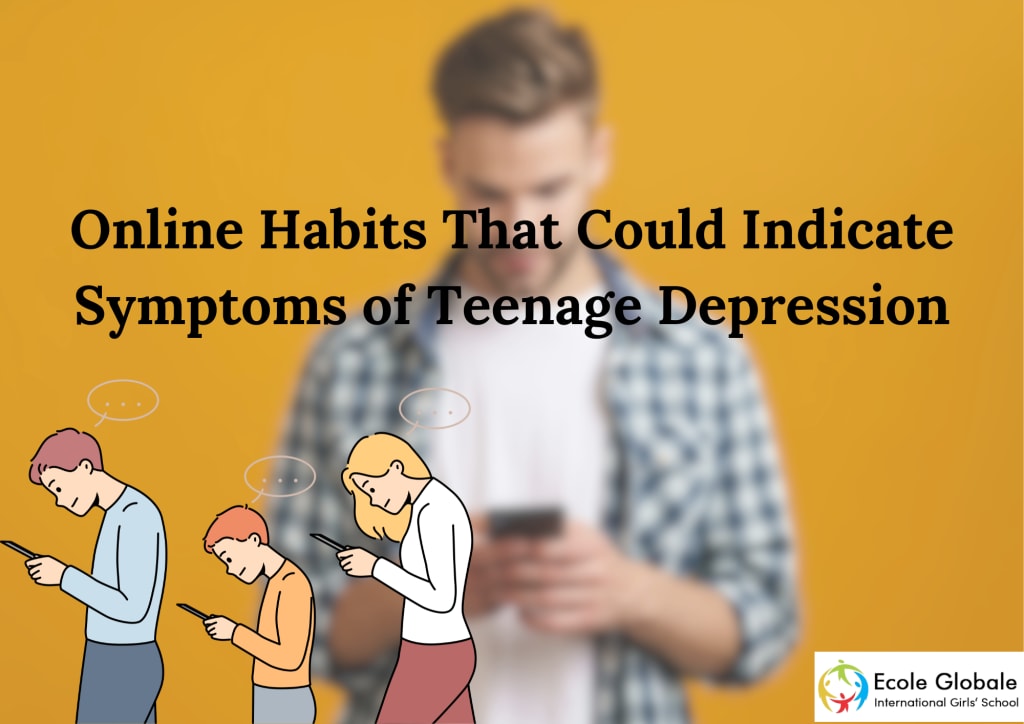
In today’s digital age, teenagers spend a significant amount of time online, whether for learning, socializing, or entertainment. While technology has opened up a world of possibilities for young people, it has also led to increasing concerns about its impact on mental health.
Parents often wonder if certain online habits might be a sign of deeper issues, such as symptoms of teenage depression. Understanding how online behavior can reflect a teen’s mental state can help parents and caregivers identify early signs and provide timely support.
Excessive Social Media Use and Isolation
One of the most common online habits that could signal symptoms of teenage depression is excessive social media use.
While many teens enjoy connecting with friends and sharing updates online, spending an unhealthy amount of time on social media can sometimes reflect feelings of loneliness, low self-esteem, or insecurity.
Teens who are struggling with depression may use social media as a way to escape reality or gain validation.
However, excessive time on these platforms can lead to negative comparisons, cyberbullying, or a distorted view of reality, further intensifying feelings of sadness or worthlessness.
If you notice your teen scrolling endlessly through social media feeds, avoiding in-person interactions, or frequently posting about negative or dark topics, these may be red flags.
Constantly comparing oneself to others can harm self-worth, especially when teens see only the highlights of others’ lives.
Social isolation and detachment from real-life relationships often correlate with symptoms of teenage depression, as the digital world becomes a place where they feel more comfortable than face-to-face interactions.
Withdrawn Behavior and Reduced Communication
For many teens, online gaming, streaming videos, or chatting can be a form of escape, providing a temporary distraction from negative emotions.
However, if these activities are starting to replace personal connections and in-person interactions, it may signal deeper issues.
Teenagers experiencing depression often withdraw from their usual activities, and their digital behavior reflects this isolation.
Instead of interacting with friends or family, they might spend hours alone, glued to screens, which only deepens their feelings of loneliness.
Reduced communication, especially when paired with increased online activity, is one of the symptoms of teenage depression that parents should monitor closely.
If your teen is spending excessive time online, showing a lack of interest in daily conversations, or avoiding family time, these behaviors can point to emotional distress.
Encouraging open communication and checking in on their feelings can help bridge this gap, but it’s important to approach the topic with patience and understanding.
Obsessive Internet Searching About Depression or Mental Health
It’s normal for teens to research topics that interest or concern them. However, when a teen frequently searches for information related to depression, self-harm, or mental health conditions, it may be an indication that they are struggling with their own feelings.
Obsessive searching for symptoms of teenage depression could mean they are trying to make sense of their emotions but don’t know how to express them or where to seek help.
Encourage open conversations about mental health without judgment if you notice this behavior.
Creating a safe environment for teens to talk about their feelings can provide them with the comfort they need to open up about their struggles.
Parents might also consider suggesting professional help if the teen is open to it.
Decrease in Online Activity or Disinterest in Hobbies
While excessive screen time can be concerning, a sudden drop in online activity or disinterest in favorite digital hobbies can also indicate symptoms of teenage depression.
When teens who were previously active online suddenly lose interest in things they once enjoyed, it may reflect an overall lack of motivation or pleasure, which is a common symptom of depression.
If your teen stops engaging in online communities, gaming, or other digital activities they once found enjoyable, it could be a sign that they are feeling emotionally disconnected.
In such cases, they may lack the energy or desire to participate in these activities, which once brought them joy.
Observing this pattern can help parents spot symptoms of teenage depression and encourage teens to seek out activities that bring them happiness.
Patterns of Negative or Dark Posts and Self-Deprecation
Teenagers often use social media to express their emotions and thoughts. While it’s normal for them to share a mix of moods, a continuous pattern of dark, negative, or self-deprecating posts can be a serious warning sign.
Teens experiencing depression may post about feeling hopeless, share negative quotes, or express feelings of worthlessness.
Such posts might be cries for help, signaling symptoms of teenage depression. If your teen frequently posts about dark themes, it’s essential to pay attention and approach the conversation gently.
They may be more open to discussing their feelings if they see that you are genuinely concerned. Avoid passing judgment or reacting strongly; instead, focus on creating a safe and supportive environment for them to open up.
What Parents Can Do
Spotting symptoms of teenage depression through online habits requires patience, understanding, and a willingness to engage with your teen on their level. Here are some steps parents can take:
Stay Informed: Familiarize yourself with common online platforms and trends so you can better understand your teen’s online world.
Encourage Balance: Promote a balanced lifestyle that includes physical activity, hobbies, and social interactions outside the digital space.
Open Communication: Foster an environment where teens feel comfortable discussing their feelings. If they seem to be struggling, let them know it’s okay to ask for help.
Be Observant, Not Overbearing: Gently monitor their online activities without being intrusive. Respect their privacy but watch for signs that may indicate they’re struggling emotionally.
Seek Professional Help: If you notice persistent signs of depression, don’t hesitate to reach out to a mental health professional for guidance.
Conclusion
Recognizing symptoms of teenage depression is essential for parents, and understanding online habits can be a valuable tool in identifying these signs.
While not all digital behaviors are a cause for concern, parents who observe patterns of social isolation, negative content, or obsessive searches related to mental health should consider them potential warning signs.
By maintaining open communication and offering support, parents can help their teens navigate these difficult feelings. As a result, they empower them to overcome challenges and thrive in both the digital and real worlds.
About the Creator
Keep reading
More stories from Anshuman Uniyal and writers in Education and other communities.
The Impact of School Discipline on Emotional and Social Development
Discipline in schools is often seen as a way to maintain order and structure in the classroom. However, the importance of discipline in schools extends far beyond simple rule enforcement.
By Anshuman Uniyalabout a year ago in Education
Why Aircraft Reliability Often Depends on Parts You’ll Never See
The first time I read an aircraft maintenance report, I was surprised by how little it talked about flying. There were no dramatic references to takeoffs or landings. Instead, page after page focused on part numbers, inspection intervals, and component traceability. At the time, it felt disconnected from the excitement of aviation. Over the years, I realized that those documents describe the real heartbeat of aircraft reliability.
By Beckett Dowhan6 days ago in Education



Comments
There are no comments for this story
Be the first to respond and start the conversation.