
One of the source of life: water
Water really priority to your body?
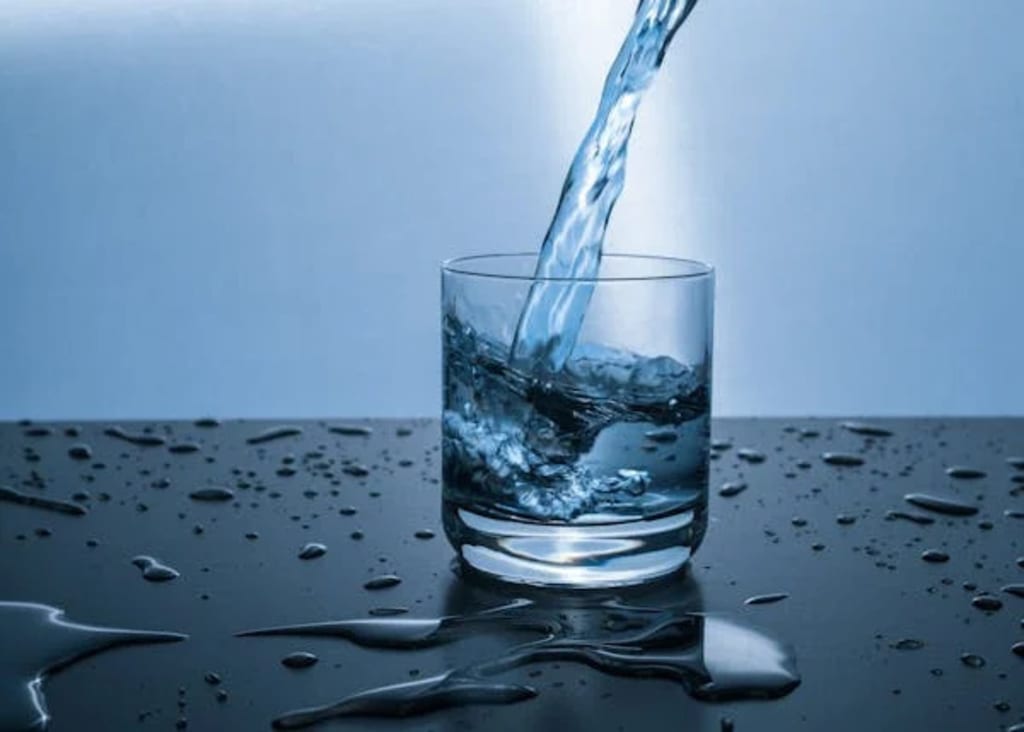
Water: The Universal Life Force
Water is like the magic ingredient that makes life possible. It's everywhere around us, from the tiniest droplets in the soil to the towering ice caps of the Arctic. It’s not just a precious resource; it’s an essential part of our very being. Ever thought about how much water is in our bodies? It's a staggering 55-60%! Let’s dive into what makes water so special and why it’s crucial for everything we do.
Water in Our Bodies: The Vital Percentage
Imagine your body as a giant sponge; that’s how water functions within us. On average, our bodies are made up of about 55-60% water. This percentage can change based on several factors. For instance, a person living in a hot climate might have a different water composition than someone in a cooler area. Isn’t it fascinating how our environment plays a role in our biology?
Water is vital for nearly every function in our bodies. It helps regulate temperatures, transports nutrients, and removes waste. Without water, our systems would be like a car running without oil—eventually, things would grind to a halt. The human body craves hydration, needing water to fuel its many processes.
Water in Nature: A Global Perspective
Step outside, and you’re surrounded by it—water is a cornerstone of our planet. It’s found in rivers, lakes, oceans, and even in the air we breathe. The moisture in soil nourishes plants, while ice caps store fresh water essential for life. When we think of Earth, it’s easy to see it as a blue planet, filled with a wealth of this precious resource.
Our climate and geography also shape our relationship with water. Areas with plentiful rainfall can support rich ecosystems and abundant life. Meanwhile, regions suffering from drought face challenges that can threaten their inhabitants. Water isn’t just a statistic; it’s a lifeline, impacting everything from agriculture to wildlife.
The Cycle of Water: A Never-Ending Journey
Have you ever thought about where water comes from and where it goes? It’s part of a beautiful cycle that connects all living things. Water evaporates from oceans and lakes, forming clouds. When the clouds get heavy, they release rain, which fills rivers and lakes, eventually returning to the sea. This cycle is like nature’s own recycling system, ensuring that water is always moving and being reused.
This constant flow is vital for maintaining ecosystems. Various creatures depend on clean water to survive and thrive. From the smallest insects to the largest mammals, everyone plays a part in this grand design. It’s a reminder of how interconnected we all are.
The Importance of Conservation: Protecting Our Water Supply
With all this talk about the importance of water, it’s crucial to think about how we can protect it. Every drop counts! Pollution, overuse, and climate change are threats that can disrupt the delicate balance of water in our environment. Imagine if our favorite lake became too dirty to play in or if our streams ran dry. That’s a reality many are facing today.
Conservation starts with awareness. Simple actions like reducing plastic use, conserving water at home, and supporting clean water initiatives can make a difference. When we work together, we can ensure that water remains a plentiful resource for generations to come.
Conclusion: Water as Life's Essence
Water is not just a part of our bodies and the earth; it’s a vital part of life itself. From nurturing our cells to sustaining entire ecosystems, it plays an irreplaceable role. As we explore the wonders of water, let’s remember its importance and take steps to protect this precious resource. After all, without water, where would we be? Just like a river flowing through the landscape, water connects us all in this adventure called life.
About the Creator
Keep reading
More stories from writers in Education and other communities.
The Story of Andrew J. Beard
The Story of Andrew J. Beard: The Man Who Made Railroads Safer Andrew Jackson Beard entered the world in 1849 under the brutal weight of slavery, born into a system designed to crush ambition and erase potential. Yet from the beginning, Beard possessed something stronger than circumstance: a mind that could see solutions where others only saw problems.
By TREYTON SCOTT6 days ago in Education
Thomas L. Jennings
February 2026 New York, NY — More than two centuries after his birth, Thomas L. Jennings is increasingly recognized as one of America’s most influential yet historically overlooked innovators. Born free in New York City around 1791, Jennings would become the first African American in United States history to obtain a patent, earning his place in the nation’s scientific record and civil rights legacy.
By TREYTON SCOTT7 days ago in Education
The Pride Flag and the Diversion
For nearly a decade, the LGBTQIA Pride Flag rippled in the wind at Christopher Park, a kaleidoscope of color staked into the soil of America’s first national monument to LGBTQIA+ liberation. That flag came down this week. Federal officials, citing new guidance from the Trump Administration, silently lowered the rainbow flag from its pole across the street from the Stonewall Inn. The birthplace of the modern gay rights movement now flies only the United States flag.
By Tim Carmichaela day ago in Pride
If You Write A Book, Don’t Tell Anyone
There are days when I’m grateful Amazon doesn’t tell me specifically who has bought my book and who hasn’t. If they did, I would be heartbroken when I read the list and noticed all the important names in my life were not on my list of customers.
By Ellen Frances5 days ago in Writers



Comments
There are no comments for this story
Be the first to respond and start the conversation.