
Off-Grid Tiny House Essentials: Embracing Sustainable Independence in Compact Living
Discover the Must-Have Equipment for a Self-Sufficient and Eco-Friendly Tiny House Lifestyle

Living off-grid in a tiny house offers an opportunity to embrace sustainable living, self-sufficiency, and a closer connection to nature. However, to thrive in this unique lifestyle, having the right equipment is paramount. In this article, we will explore the most essential off-grid tiny house equipment that empowers individuals to live comfortably and independently in remote locations or off-grid settings.
From harnessing renewable energy to ensuring access to clean water and managing waste effectively, these equipment essentials lay the foundation for self-sufficiency in off-grid living. Whether you're considering a tiny house as a full-time home or a serene retreat, understanding and investing in the right equipment will enable you to embrace the off-grid lifestyle with confidence.
In this comprehensive guide, we will delve into the top equipment items that every off-grid tiny house should possess. We'll explore the benefits and functionalities of solar power systems, water filtration systems, composting toilets, and more. Discover the advantages of generating your own electricity through solar panels, ensuring a clean water supply with reliable filtration systems, and managing waste sustainably with innovative composting toilets.
Our expert insights and practical advice will help you navigate the world of off-grid living, allowing you to make informed decisions when selecting the essential equipment for your tiny house. We'll discuss factors such as reliability, efficiency, sustainability, and maintenance, helping you strike the right balance between functionality, comfort, and eco-consciousness.
Join us as we embark on a journey to uncover the most vital off-grid tiny house equipment. Whether you're a minimalist seeking a simpler lifestyle, an eco-enthusiast aiming to reduce your carbon footprint, or an adventurer craving the freedom of remote living, this article will equip you with the knowledge and resources to make the most of your off-grid tiny house experience.
Prepare to unlock self-sufficiency and discover the essential equipment that will empower you to live off-grid in harmony with nature. Let's explore the world of off-grid tiny house equipment and embrace a lifestyle where sustainability, independence, and serenity intertwine.

Harnessing the Sun: The Power of Solar Power Systems for Off-Grid Tiny House Living
In the realm of off-grid living, harnessing the sun's energy is a game-changer. As we delve into the exploration of the most essential off-grid tiny house equipment, we turn our focus to the power of solar power systems. In this chapter, we will uncover the benefits of solar energy, the components of a solar power system, and why investing in this renewable energy solution is crucial for self-sufficiency in off-grid tiny house living. Embrace the sun and discover how solar power systems can power your off-grid journey with sustainability, reliability, and independence.
The Advantages of Solar Power Systems:
1. Clean and Renewable Energy: Solar power systems harness the abundant energy of the sun, providing a clean and renewable source of electricity. By converting sunlight into usable energy through solar panels, you can power your lights, appliances, and other electrical devices without relying on traditional power sources. Embracing solar energy reduces your carbon footprint and contributes to a greener, more sustainable world.
2. Independence and Self-Sufficiency: Off-grid tiny house living is all about independence and self-sufficiency. Solar power systems offer the freedom to generate your own electricity, untethered from the grid. This empowerment allows you to live in remote locations or areas with limited access to traditional power infrastructure. With a well-designed solar power system, you can enjoy the comforts of electricity without compromising your off-grid lifestyle.
3. Cost Savings and Long-Term Investment: While the initial investment in a solar power system may seem significant, it offers long-term cost savings. Once installed, solar panels have minimal operating costs and require little maintenance. By generating your own electricity, you can significantly reduce or eliminate monthly utility bills. Additionally, as energy costs continue to rise, your solar power system becomes an investment that pays off in the long run.
Components of a Solar Power System:
1. Solar Panels: Solar panels are the heart of a solar power system. These photovoltaic (PV) panels consist of multiple solar cells that capture sunlight and convert it into DC (direct current) electricity. When choosing solar panels for your off-grid tiny house, consider factors such as efficiency, durability, and size. Monocrystalline or polycrystalline panels are popular choices due to their high efficiency and reliability.
2. Charge Controller: A charge controller regulates the flow of electricity between the solar panels and the batteries. It prevents overcharging and protects the batteries from damage, ensuring optimal performance and longevity. Look for a charge controller with features like MPPT (Maximum Power Point Tracking) technology, which maximizes the efficiency of your solar power system.
3. Batteries: Batteries store the excess electricity generated by the solar panels for later use when the sun is not shining. Deep-cycle batteries, such as lead-acid or lithium-ion batteries, are commonly used in off-grid applications. Consider factors such as capacity, lifespan, and maintenance requirements when selecting batteries for your solar power system.
4. Inverter: The inverter converts the DC electricity stored in the batteries into AC (alternating current) electricity, which is compatible with standard household appliances and devices. Pure sine wave inverters provide high-quality power and are suitable for sensitive electronics. Choose an inverter with the appropriate capacity to meet your electrical demands.
Conclusion:
Harnessing the sun's energy through a solar power system is a transformative step towards self-sufficiency in off-grid tiny house living. By embracing clean and renewable energy, you gain independence, reduce your environmental impact, and enjoy long-term cost savings. Solar power systems provide a reliable and sustainable solution to meet your electricity needs, empowering you to live off-grid without compromising on modern comforts.
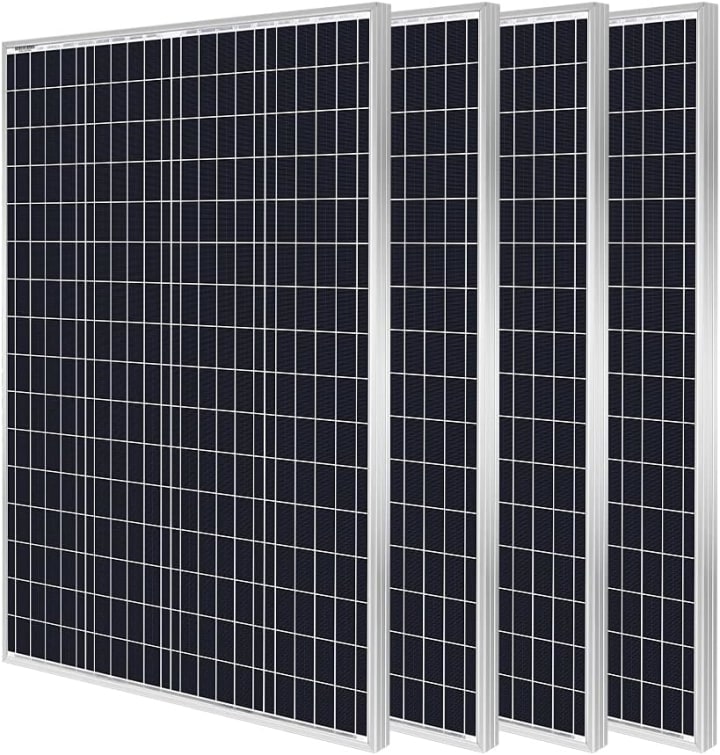
A great way to collect the solar energy you need is the HQST 400 Watt 12V Monocrystalline Solar Panel. This solar panel is an excellent choice for harnessing solar energy in off-grid and RV applications. With its high-efficiency monocrystalline solar cells, this panel delivers impressive power output and reliability.
The robust construction ensures durability and resistance to harsh weather conditions. The panel's sleek design and compact size make it easy to install on rooftops, RVs, or other outdoor setups. It comes with pre-drilled holes and a corrosion-resistant frame for hassle-free mounting.
The HQST 400 Watt panel's efficiency and performance allow for optimal energy generation, even in low-light conditions. It provides a reliable source of clean and renewable energy, reducing dependence on traditional power sources.
For those looking to harness the power of the sun, the HQST 400 Watt 12V Monocrystalline Solar Panel offers exceptional quality, durability, and energy output, making it an ideal choice for solar applications. You can buy yours here from Amazon.
Purifying Your Water: The Vitality of Water Filtration Systems for Off-Grid Tiny House Living
In our exploration of the most essential off-grid tiny house equipment, we shift our attention to the importance of water filtration systems. Living off-grid requires access to clean and safe drinking water, and in this chapter, we'll uncover the benefits of water filtration systems, the different types available, and why investing in this essential equipment is crucial for a self-sufficient and healthy off-grid lifestyle. Embrace the purity of water and discover how water filtration systems can ensure a reliable and sustainable water supply for your off-grid tiny house.
The Advantages of Water Filtration Systems:
1. Clean and Safe Drinking Water: Off-grid living necessitates a reliable source of clean and safe drinking water. Water filtration systems are designed to remove contaminants, bacteria, and impurities from water sources, ensuring that the water you consume is free from harmful substances. With a high-quality water filtration system, you can have peace of mind knowing that your water supply is pure and suitable for drinking, cooking, and other daily needs.
2. Independence and Sustainability: Off-grid tiny house living is all about self-sufficiency and reducing reliance on external resources. A water filtration system provides independence by allowing you to source water from natural sources such as rivers, streams, or rainwater collection systems. By purifying and treating these water sources, you can create a sustainable and self-sufficient water supply, eliminating the need for traditional water infrastructure.
3. Cost-Effective Solution: Investing in a water filtration system is a cost-effective solution in the long run. Instead of purchasing bottled water or relying on expensive water delivery services, a water filtration system allows you to tap into readily available water sources and purify them on-site. This reduces your reliance on external water sources and saves you money over time.
Types of Water Filtration Systems:
1. Activated Carbon Filters: Activated carbon filters are commonly used in water filtration systems. They work by adsorbing impurities and contaminants onto the surface of the carbon, effectively removing chlorine, volatile organic compounds (VOCs), unpleasant tastes, and odors from the water. Activated carbon filters are excellent for improving the taste and odor of water.
2. Ceramic Filters: Ceramic filters consist of porous ceramic material that effectively filters out bacteria, protozoa, sediments, and other contaminants. These filters have microscopic pores that trap impurities while allowing clean water to pass through. Ceramic filters are durable, long-lasting, and well-suited for off-grid applications.
3. UV Sterilizers: UV sterilizers use ultraviolet light to disinfect water by neutralizing bacteria, viruses, and other microorganisms. These compact devices are easy to install and require minimal maintenance. UV sterilizers provide an additional layer of protection, ensuring that your water is safe for consumption.
Conclusion:
Water filtration systems are indispensable for off-grid tiny house living, providing clean and safe drinking water while promoting self-sufficiency and sustainability. By investing in a high-quality water filtration system, you ensure that your water supply is free from contaminants and suitable for daily consumption. Embrace the independence of sourcing water from natural sources and enjoy the cost savings that come with self-sufficiency in water supply.
As you embark on your off-grid journey, prioritize the installation of a reliable water filtration system that meets your specific needs. Whether it's activated carbon filters, ceramic filters, or UV sterilizers, choose a system that aligns with your water sources and desired level of purification. Experience the peace of mind that comes with having a trustworthy and efficient water filtration system, and savor the purity of water in your off-grid tiny house.
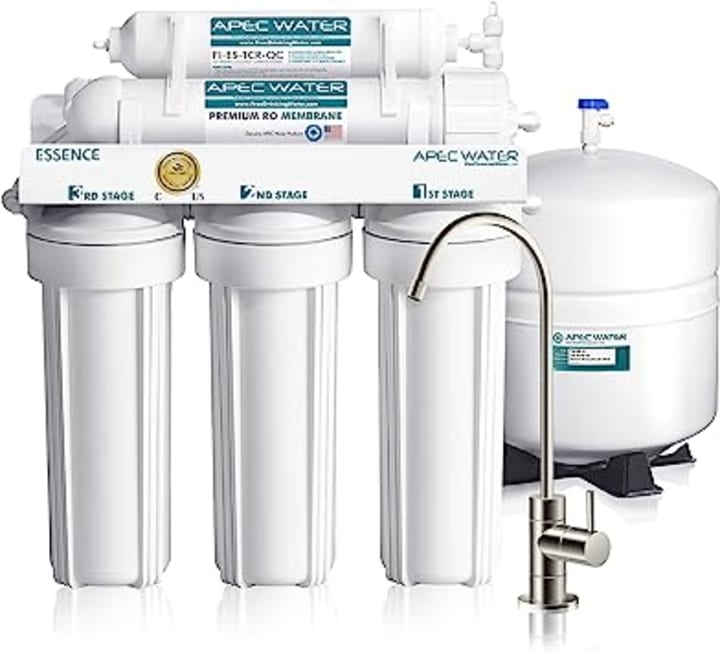
One of the best systems to filter your water is the APEC Water Systems ROES-50. This is a high-performance reverse osmosis drinking water filtration system that delivers exceptional water purity and taste. With its advanced five-stage filtration process, it effectively removes contaminants such as chlorine, lead, bacteria, and more, ensuring clean and safe drinking water for your household.
Installation is straightforward, and the system comes with all the necessary components and detailed instructions. The ROES-50 boasts a durable construction and reliable performance, providing a steady flow of filtered water. Additionally, its compact design allows for easy integration into any kitchen space.
The system's efficiency and effectiveness make it a top choice for those seeking a reliable and efficient water filtration solution. Enjoy the peace of mind that comes with knowing your family has access to pure and refreshing drinking water with the APEC Water Systems ROES-50, which is available on Amazon.
Sustainable Waste Management: The Eco-Friendly Benefits of Composting Toilets
Continuing our exploration of the most essential off-grid tiny house equipment, we now turn our attention to the crucial aspect of waste management. In this chapter, we will delve into the eco-friendly benefits of composting toilets, their functionality, and why investing in this sustainable waste management solution is paramount for off-grid tiny house living. Embrace the concept of responsible waste disposal and discover how composting toilets offer a self-sufficient and environmentally conscious solution for your off-grid lifestyle.
The Eco-Friendly Advantages of Composting Toilets:
1. Sustainable Waste Management: Composting toilets present a sustainable alternative to traditional flush toilets. By utilizing natural processes such as decomposition and microbial activity, these toilets transform human waste into nutrient-rich compost. Unlike conventional toilets that consume large amounts of water and contribute to wastewater treatment challenges, composting toilets promote responsible waste management by recycling and repurposing human waste in an eco-friendly manner.
2. Water Conservation: In off-grid living, water conservation is crucial. Composting toilets significantly reduce water usage by eliminating the need for flushing. Instead of relying on water to transport waste, composting toilets use organic materials, such as sawdust or coconut coir, to facilitate the composting process. This conservation of water resources not only reduces your ecological footprint but also enhances the sustainability of your off-grid tiny house.
3. Odorless and Low Maintenance: Contrary to common misconceptions, composting toilets are designed to be odorless when properly maintained. Effective ventilation systems, such as fans or natural airflow, prevent odors from permeating your living space. Additionally, composting toilets require minimal maintenance, with regular emptying and occasional addition of organic material to promote the composting process. This low-maintenance feature adds convenience to your off-grid lifestyle.
Functionality of Composting Toilets:
1. Separation of Solid and Liquid Waste: Composting toilets typically separate solid waste from liquid waste to optimize the composting process. This separation prevents the accumulation of excess moisture, allowing for efficient decomposition and odor control. Some composting toilets utilize innovative designs and mechanisms to facilitate this separation, ensuring optimal performance.
2. Composting Chamber and Decomposition: Composting toilets feature a dedicated chamber or compartment where the solid waste undergoes decomposition. Microbes and aerobic bacteria break down the waste, transforming it into nutrient-rich compost over time. Proper ventilation and the addition of organic materials, such as bulking agents or carbon-rich matter, promote the composting process and help maintain an optimal balance of moisture and air.
3. Compost Collection and Utilization: Once the composting process is complete, the resulting compost can be safely removed and utilized in various ways. Depending on local regulations and personal preferences, the compost can be used for landscaping, gardening, or safely disposed of according to guidelines. This closed-loop system of waste management promotes sustainability and reduces the environmental impact of off-grid living.
Conclusion:
Composting toilets are indispensable for off-grid tiny house living, offering a sustainable and eco-friendly solution for waste management. By embracing these toilets, you contribute to responsible waste disposal, water conservation, and reduced ecological footprint. Composting toilets provide an odorless and low-maintenance alternative to traditional flush toilets, allowing you to live comfortably and sustainably in your off-grid tiny house.
As you embark on your off-grid journey, consider investing in a high-quality composting toilet that suits your space and needs. Ensure proper installation, ventilation, and maintenance to maximize performance and odor control. Embrace the eco-friendly benefits of composting toilets and join the movement towards sustainable waste management in off-grid living.
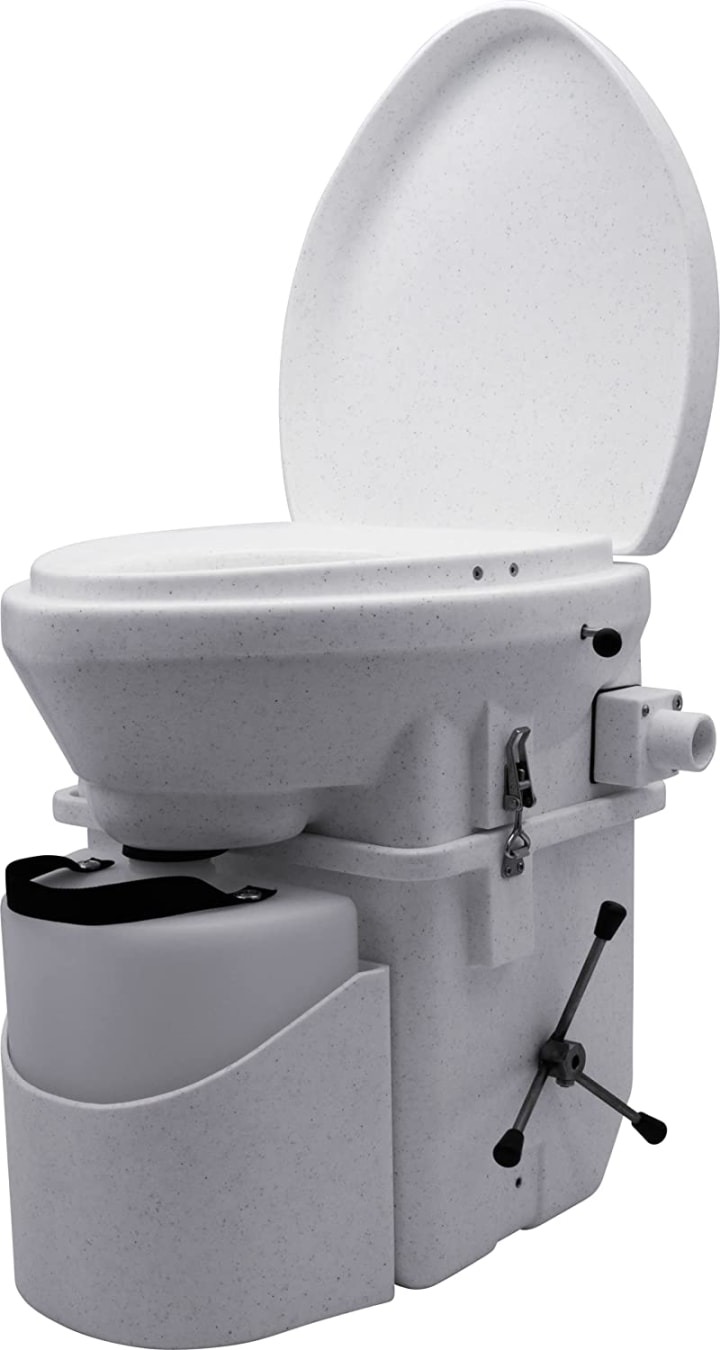
One of the best composting toilets on the market is the Nature's Head Self Contained Composting Toilet. This toilet is a game-changer for off-grid living and sustainable lifestyles. This innovative toilet system provides a clean and odorless solution without the need for water or plumbing connections. With its compact and self-contained design, it fits seamlessly into tiny houses, RVs, cabins, and boats.
The Nature's Head Composting Toilet is easy to install and maintain. Its robust construction and efficient composting process ensure odor-free operation and minimal environmental impact. The urine separation feature further enhances its performance, reducing composting time and optimizing waste management.
Not only does this composting toilet offer convenience and cost savings by eliminating the need for traditional plumbing, but it also promotes eco-friendly living by turning waste into valuable compost.
If you're looking for a reliable and eco-conscious toilet solution for your off-grid or sustainable living setup, Nature's Head Self Contained Composting Toilet is a top choice. This off-grid living essential is available on Amazon!
Warmth and Comfort: Propane or Wood Stoves for Cozy Off-Grid Tiny House Living
In our exploration of the most essential off-grid tiny house equipment, we now turn our attention to heating solutions that provide warmth and comfort in your off-grid sanctuary. In this chapter, we will explore the benefits of propane or wood stoves, their functionalities, and why investing in a reliable heating system is crucial for cozy off-grid living. Embrace the soothing ambiance of a warm fire and discover how propane or wood stoves can create a cozy and sustainable heating source for your off-grid tiny house.
The Advantages of Propane or Wood Stoves:
1. Reliable and Independent Heating: When living off-grid, having a reliable heating source is essential, especially in colder climates. Propane or wood stoves offer independent heating solutions that do not rely on grid-connected electricity. With these stoves, you can enjoy consistent warmth and comfort even when traditional power sources are not available. Embrace the self-sufficiency and reliability of propane or wood stoves in your off-grid lifestyle.
2. Versatile Fuel Options: Propane or wood stoves provide the flexibility of using different fuel sources, depending on your preferences and availability. Propane stoves utilize propane gas, which can be stored in tanks and readily available for use. On the other hand, wood stoves allow you to harness the natural warmth and ambiance of burning firewood, creating a cozy and rustic atmosphere. Choose the fuel option that aligns with your needs and desired aesthetic.
3. Energy Efficiency and Sustainability: Both propane and wood stoves offer energy-efficient heating options. Propane stoves have high energy efficiency ratings, delivering heat directly to the space without wasting energy. Wood stoves utilize renewable resources, such as firewood, reducing the reliance on non-renewable fuels. By using propane or wood stoves, you contribute to sustainable off-grid living and reduce your environmental impact.
Functionality of Propane or Wood Stoves:
1. Heating Performance: Propane or wood stoves are designed to efficiently generate and distribute heat throughout your tiny house. Propane stoves often come with adjustable settings, allowing you to control the intensity of heat output. Wood stoves utilize the combustion of firewood to produce radiant heat that warms the surrounding area. Consider the size and layout of your tiny house to determine the heating capacity and choose a stove that suits your needs.
2. Installation and Ventilation: Proper installation and ventilation are crucial for the safe and effective use of propane or wood stoves. Propane stoves require a connection to a propane tank and appropriate ventilation to release combustion byproducts. Wood stoves require a chimney or flue system to exhaust smoke and ensure proper airflow. Consult professionals or follow manufacturer guidelines to ensure correct installation and compliance with safety regulations.
3. Maintenance and Safety: Regular maintenance and adherence to safety guidelines are essential for propane or wood stoves. Propane stoves require occasional tank refills and inspections for leaks or malfunctioning components. Wood stoves necessitate cleaning and removal of ash buildup to maintain optimal performance. Familiarize yourself with safety practices, such as proper firewood storage and stove operation, to prevent accidents and ensure a safe living environment.
Conclusion:
Propane or wood stoves offer reliable and independent heating solutions for off-grid tiny house living. Embrace the warmth and comfort provided by these stoves, along with the versatility of fuel options they offer. Propane stoves provide efficient and controlled heat output, while wood stoves create a cozy ambiance with the crackling firewood. Enjoy the energy efficiency and sustainability of these heating sources, and embrace the self-sufficiency and off-grid lifestyle they facilitate.
Before choosing a propane or wood stove for your tiny house, consider factors such as heating capacity, installation requirements, and maintenance obligations. Ensure compliance with safety regulations and follow proper ventilation practices. Embrace the cozy warmth provided by propane or wood stoves and create a haven of comfort in your off-grid tiny house.
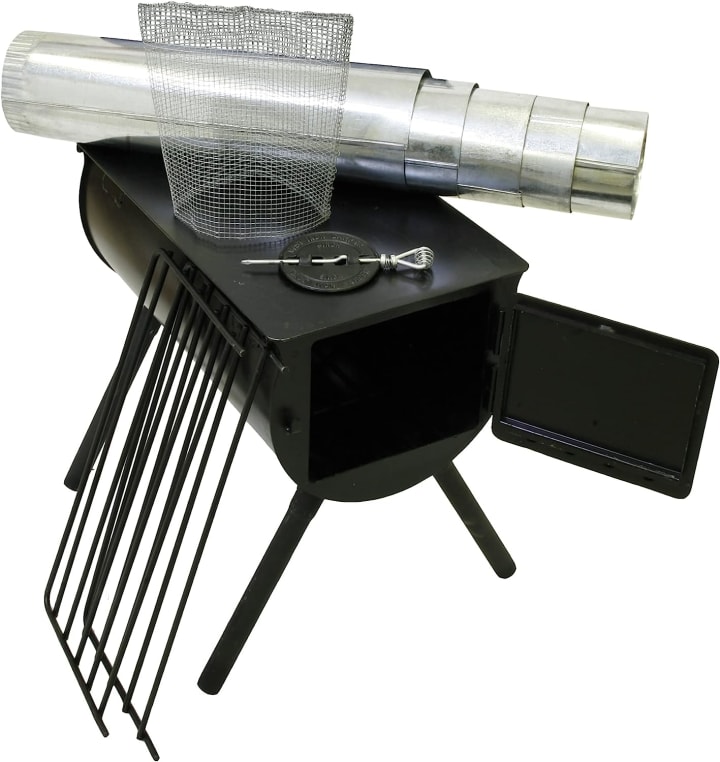
The Camp Chef Alpine Heavy Duty Cylinder Stove is a great option for everyone looking to improve their off-grid home. This stove is a robust and versatile outdoor stove. Its durable steel construction ensures long-lasting performance in harsh conditions. With adjustable heat controls and compatibility with various fuels, it offers a spacious cooking surface for delicious meals. The stove's portability, aided by removable legs and compact size, makes it easy to transport. While it may be bulkier than some camping stoves, its exceptional durability and functionality make it a worthwhile investment for outdoor enthusiasts. Stay warm and enjoy the convenience of cooking with the Camp Chef Alpine Heavy Duty Cylinder Stove on your next outdoor adventure. It is available here on Amazon.
Embracing Independence: The Vital Off-Grid Equipment for Sustainable Tiny House Living
As we reach the end of our exploration of the most essential off-grid tiny house equipment, we have delved into the fundamental aspects of sustainable and self-sufficient living. From water filtration systems to composting toilets and propane or wood stoves, these essential equipment choices empower you to embrace off-grid living with confidence and comfort.
By investing in a high-quality propane or wood stove, you ensure a reliable and independent heating source for your off-grid tiny house. These stoves offer versatile fuel options, energy efficiency, and a cozy ambiance that enhances your living space. Whether you opt for the convenience of propane or the rustic charm of a wood stove, both choices contribute to sustainable and eco-friendly off-grid living.
In combination with a water filtration system, composting toilet, and a reliable heating solution, you have established the foundations of a self-sufficient and sustainable off-grid lifestyle. These essential equipment choices allow you to enjoy clean and safe water, responsible waste management, and a warm and cozy environment.
As you embark on your off-grid journey, prioritize the selection of equipment that aligns with your specific needs and preferences. Consider factors such as functionality, installation requirements, maintenance obligations, and compliance with safety guidelines. By making informed choices and embracing these essential off-grid equipment options, you can create a harmonious and sustainable living space that supports your desired lifestyle.
Remember to consult professionals, adhere to manufacturer guidelines, and stay up to date with local regulations to ensure the safe and efficient use of these essential off-grid equipment choices.
Embrace the freedom and self-sufficiency of off-grid living as you optimize your tiny house with the most essential equipment. Enjoy the serenity and sustainability that comes with clean water, responsible waste management, and a cozy, warm environment. Embrace the journey of off-grid living and experience the rewards of a truly independent and sustainable lifestyle.

About the Creator
Keep reading
More stories from Robert Johnsen and writers in Education and other communities.
The Must-Have Volleyball Gear
Are you an aspiring volleyball player or a seasoned enthusiast looking to up your game on the court? Having the right volleyball gear is crucial to maximize your performance and ensure safety during intense matches and practices. In this article, we'll delve into the three most essential pieces of volleyball equipment that every player should have in their arsenal. From the indispensable volleyball itself to specialized footwear and protective knee pads, we'll explore how these gear essentials can enhance your skills, agility, and overall gameplay. Whether you're a beginner or a seasoned pro, understanding the significance of these key items is vital to excel in the sport and stay ahead of the competition. So, let's dive in and discover the must-have volleyball gear that will elevate your game to new heights.
By Robert Johnsen3 years ago in Education


Comments
There are no comments for this story
Be the first to respond and start the conversation.