
Nurturing Creativity in Children: The Importance of Art in Early Education
Discover how early art education nurtures creativity, boosts problem-solving skills, and enhances emotional expression in children

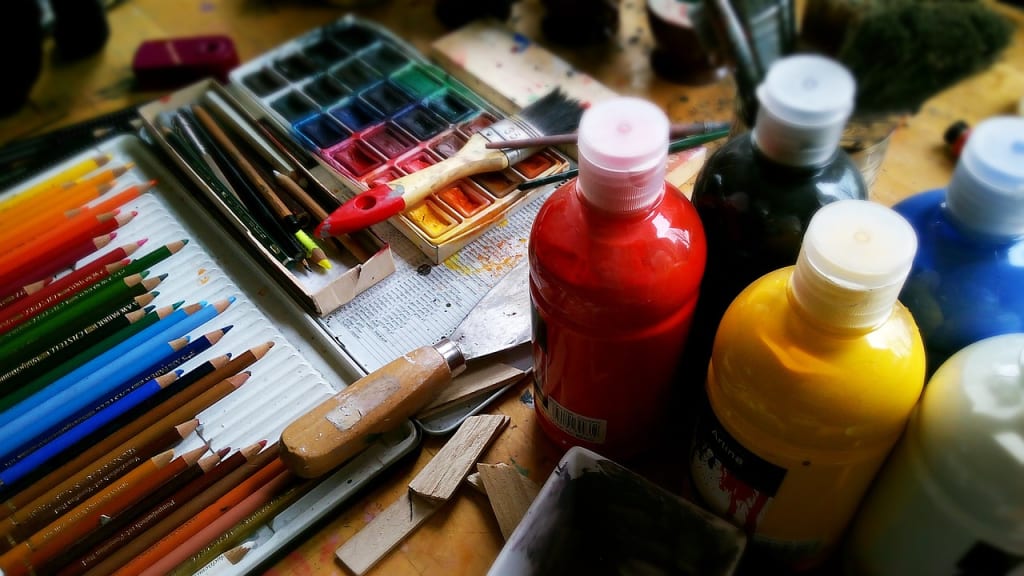
In today’s fast-paced world, creativity is often seen as a valuable skill that goes beyond artistic expression. It plays a key role in problem-solving, critical thinking, and emotional development. For children, early exposure to art education is more than just learning how to draw or paint—it’s about building confidence, exploring imagination, and developing essential life skills.
In Singapore, many parents are increasingly recognizing the importance of art programs for children, enrolling their kids in creative workshops and classes. Institutions like Little Artists offer structured art education programs that help children express themselves freely while learning valuable artistic techniques.
1. Why Art Education Matters in Early Childhood
Art is not simply about creating visually appealing work—it’s a powerful tool for personal growth and development. When children engage in art-related activities, they gain skills that benefit them in multiple areas of life:
Boosts Creativity and Imagination: Art encourages children to think outside the box. Whether they are drawing, sculpting, or experimenting with colors, they learn to express their ideas in unique ways. This creative freedom helps them become more innovative thinkers as they grow.
Enhances Fine Motor Skills: Activities such as holding a paintbrush, cutting with scissors, or molding clay improve hand-eye coordination and fine motor skills. These skills are essential for handwriting, typing, and even sports.
Improves Problem-Solving Abilities: Art involves decision-making. Children often face creative challenges, such as choosing colors, fixing mistakes, or adjusting their designs. These situations teach them to think critically and develop solutions independently.
2. Emotional and Social Benefits of Art
Art is not just a creative outlet—it’s also a form of emotional expression. Children often use colors, shapes, and imagery to convey feelings they may struggle to express through words.
Encourages Self-Expression: For shy or introverted children, art provides a safe space to express their emotions. The process of creating allows them to share their thoughts and feelings without the need for verbal communication.
Builds Confidence: When children see their artwork displayed or praised, it gives them a sense of achievement and pride. This boosts their self-esteem and encourages them to take creative risks.
Promotes Collaboration: In group art activities, children learn to share ideas, collaborate, and communicate with their peers. These social interactions teach them about teamwork, empathy, and respecting different perspectives.
3. Art as a Tool for Cognitive Development
Art plays a significant role in cognitive development during the early years.
Stimulates Brain Activity: Engaging in creative tasks activates both the left and right sides of the brain, enhancing cognitive functions.
Strengthens Memory and Concentration: Following step-by-step instructions during an art project helps children improve their memory and attention to detail.
Supports Early Literacy and Numeracy: Art introduces children to shapes, patterns, and colors, which strengthens their understanding of basic math concepts.
4. Art in Singapore’s Education System
In Singapore, art education is an essential part of the school curriculum. However, many parents also enroll their children in extracurricular art programs to provide additional creative exposure.
Programs like Little Artists offer tailored art classes that focus on technique, creativity, and self-expression. These programs help children explore different art forms, from painting and drawing to mixed media and sculpture.
5. Encouraging Art at Home
While structured classes are beneficial, fostering creativity at home is equally important. Here are a few ways parents can nurture their child’s artistic side:
Create a Mini Art Studio: Set up a small space at home with basic art supplies such as colored pencils, paints, and craft paper. This encourages children to experiment with creativity whenever they feel inspired.
Allow for Messy Creativity: Letting children get messy with paints, glue, and clay allows them to explore freely. Creativity thrives when children are not afraid of making mistakes.
Display Their Artwork: Showcasing your child’s art at home gives them a sense of pride and accomplishment. It also encourages them to keep creating.
Use Everyday Items: Encourage children to make art from recycled materials or nature, such as leaves, cardboard, or bottle caps. This promotes creativity while teaching them about sustainability.
6. The Long-Term Impact of Art on Children
Children exposed to art at a young age often carry their creative skills into adulthood. Whether they pursue artistic careers or not, the benefits of creativity—innovation, adaptability, and problem-solving—remain valuable throughout their lives.
Additionally, children who regularly engage in art tend to develop:
Better communication skills: Through visual storytelling.
Improved emotional regulation: By expressing their feelings through creative outlets.
Increased appreciation for culture and aesthetics: Through exposure to different art forms.
Final Thoughts
Art education is more than just learning how to draw—it’s about unlocking creativity, building confidence, and nurturing emotional well-being. For children, engaging in art during their early years helps shape their cognitive, emotional, and social development, equipping them with skills they will carry into adulthood.
About the Creator
Steve John
I’m a writer with a passion for exploring diverse topics, from education and lifestyle to health and wellness. I aim to provide readers with valuable insights and practical guidance across various subjects..
Keep reading
More stories from Steve John and writers in Education and other communities.
Why Math Tutoring is Essential for Building a Strong Academic Foundation
Every parent wants to see their child thrive in school, but sometimes, subjects like Math can present unexpected challenges. Perhaps your child is struggling to keep up, feeling overwhelmed by homework, or simply finding it difficult to grasp certain concepts.
By Steve Johnabout a year ago in Education
The Comfort of Arrival: Why Certain Destinations Instantly Feel Familiar
There are moments in travel that defy logic. You arrive in a place you have never visited before, step onto its streets, breathe in its air, and suddenly feel at ease. There is no adjustment period, no sense of being out of place. Instead, there is a quiet recognition, as if the destination has been waiting for you. This feeling of instant belonging is not accidental, nor is it purely romantic imagination. It is the result of emotional, cultural, psychological, and environmental factors working together to create a sense of home far from home.
By Producer James Simon7 days ago in Education
The Proven Natural Skincare Secret with Healthy Skin
Healthy skin does not come from harsh products or complicated routines. It comes from working with nature, not against it. The natural skincare secret that many people overlook is the power of raw honey as a daily skin ally. This simple ingredient has been used for generations, yet many still do not understand its effectiveness. When used correctly, raw honey can change how your skin looks and feels.
By Kelln Small7 days ago in Education



Comments
There are no comments for this story
Be the first to respond and start the conversation.