
Nun cho ga-The Most Well-Preserved Woolly Mammoth Ever Discovered In North America
Inside the discovery of Nun cho ga

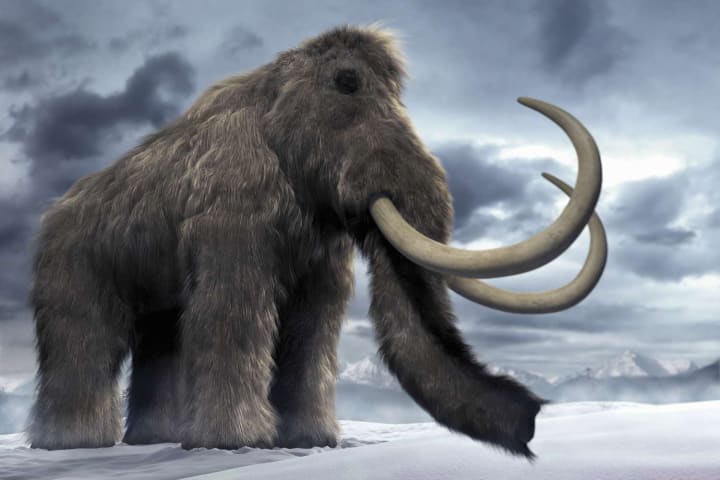
The woolly mammoth (Mammuthus primigenius) was a prehistoric elephant species that lived during the last Ice Age. They were adapted to the cold climate of the northern hemisphere, with a thick coat of woolly fur, long tusks, and a hump of fat on their backs for insulation.
Woolly mammoths roamed across Europe, Asia, and North America and were an important part of the ecosystem during their time. They were herbivores, feeding on grasses, shrubs, and other vegetation, and were likely preyed upon by humans and other large predators.
Unfortunately, woolly mammoths became extinct around 4,000 years ago, likely due to a combination of hunting by humans and climate change. However, their remains have been found preserved in permafrost, providing valuable insights into their biology and behavior. There is also ongoing research into the possibility of bringing the woolly mammoth back to life through genetic engineering.
Discovery of a Well-Preserved Baby Woolly Mammoth
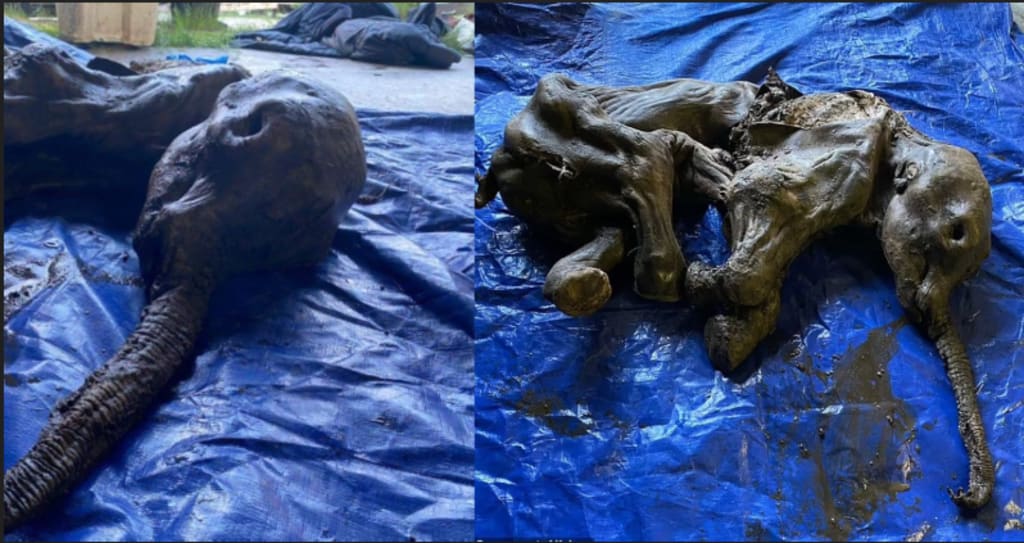
Despite dying over 35,000 years ago, the baby mammoth Nun cho ga has been so impeccably preserved that the scientists studying her have been able to analyze her last meal.
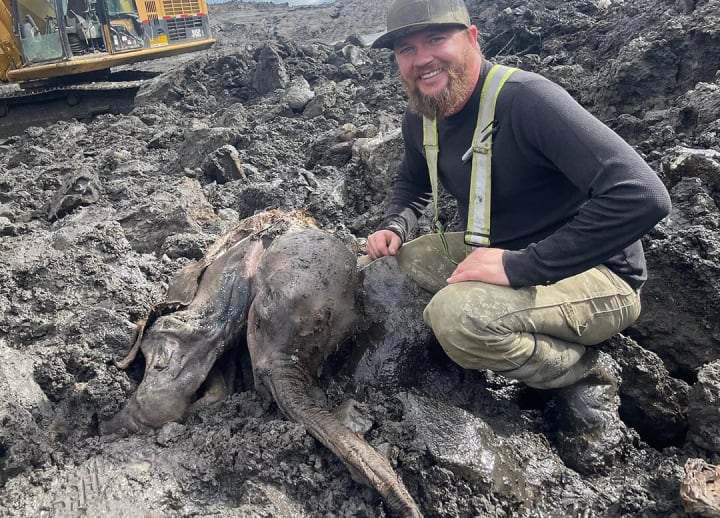
On June 21, 2022, a gold miner operating a bulldozer in the Klondike region of Canada's Yukon territory discovered something while excavating. He alerted his supervisor, and together they observed a well-preserved baby mammoth lying in the mud along Eureka Creek.
Upon discovering the baby mammoth, Brian McCaughan, the general manager at Treadstone Mining, promptly halted the operation and requested the assistance of experts.
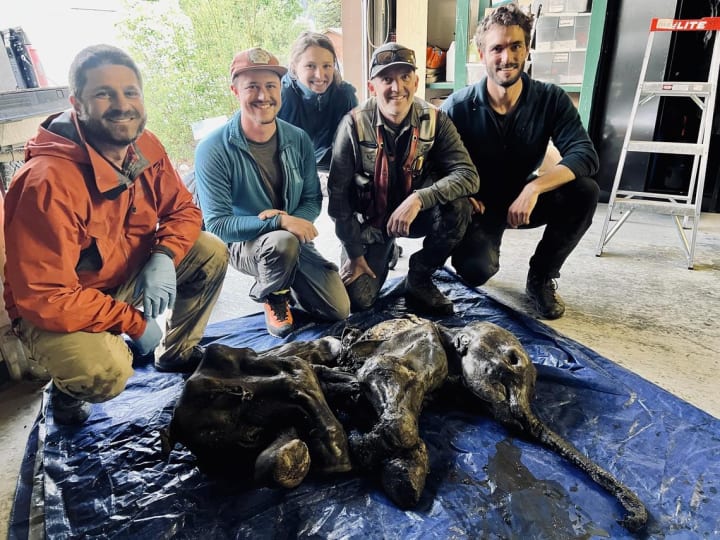
When the scientists arrived on the scene, they were amazed by what they saw. The mammoth, presumed to be female, is the most intact specimen ever discovered in North America, and only the second such finding in the world.
Since the discovery of the woolly mammoth was made on the land that belongs to the Tr’ondëk Hwëch’in First Nation, members of the community were involved in the excavation process. The elders of the group gave the mammoth a name, Nun cho ga, which translates to "big baby animal" in the Hän language spoken locally.
Despite the fact that mammoths existed until as recently as 4,000 years ago, experts have estimated that Nun cho ga died roughly 35,000 to 40,000 years ago, during the last Ice Age.

The remarkable preservation of Nun cho ga is evident in her digestive tract, which still contains traces of the grass she consumed for her last meal. CBC reported that the grass is still visible, providing valuable insight into her behavior before her death.
Based on the analysis, the paleontologist suggests that Nun cho ga was a mere 30 to 35 days old when she became trapped in mud while grazing near her mother.
Nun cho ga measures just under five feet in length, which is similar in size to the other fully-intact woolly mammoth that has been found.
The other Baby Woolly Mammoth
Lyuba is a female woolly mammoth calf that was discovered in 2007 by a Siberian reindeer herder.
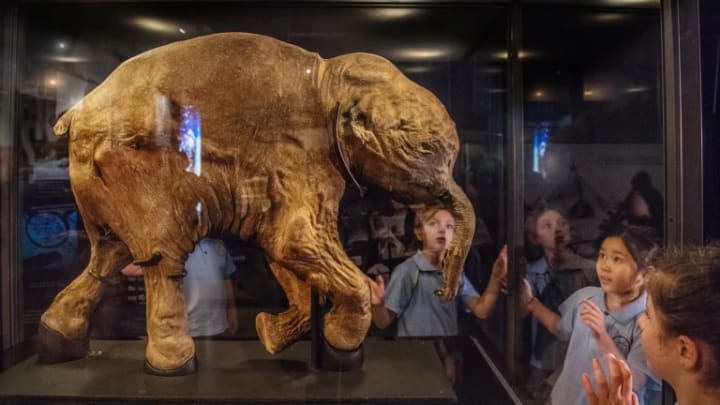
She is believed to have died at around one-month-old and is estimated to have lived around 42,000 years ago during the last Ice Age. Her body was remarkably well-preserved due to being buried in the permafrost, and her autopsy revealed that she died from suffocation after inhaling mud while drowning in a river.
Lyuba's discovery has provided valuable information about the biology and behavior of woolly mammoths, including their diet, growth patterns, and physical characteristics. She is currently on display at the Shemanovsky Museum in Salekhard, Russia, where visitors can see her preserved body and learn more about the prehistoric world in which she lived.
About the Creator
Rare Stories
Our goal is to give you stories that will have you hooked.
This is an extension of the Quora space: Rare Stories
X(formerly Twitter): Scarce Stories
Writers:
....xoxo
Keep reading
More stories from Rare Stories and writers in Education and other communities.
Inside the Story of The Great Depression
The Great Depression was one of the most catastrophic economic events in history. It began in 1929 and lasted until the late 1930s, causing widespread unemployment, homelessness, and poverty in the United States and around the world. The Great Depression was triggered by a combination of factors, including the stock market crash of 1929, bank failures, and a decline in international trade.
By Rare Stories3 years ago in Education




Comments
There are no comments for this story
Be the first to respond and start the conversation.