
NFT Rarity: What It Means and How It Affects the Market
NFT rarity is a crucial aspect of the NFT market, and it plays a significant role in determining the value of these digital assets. By understanding the factors that contribute to rarity and its impact on the market, buyers and sellers can make more informed decisions about which NFTs to invest in. However, it's important to keep in mind that rarity is not the only factor to consider, and that the concept of rarity is constantly evolving in the NFT market. Overall, NFT rarity is a fascinating and complex topic that will continue to shape the future of digital asset ownership and exchange.
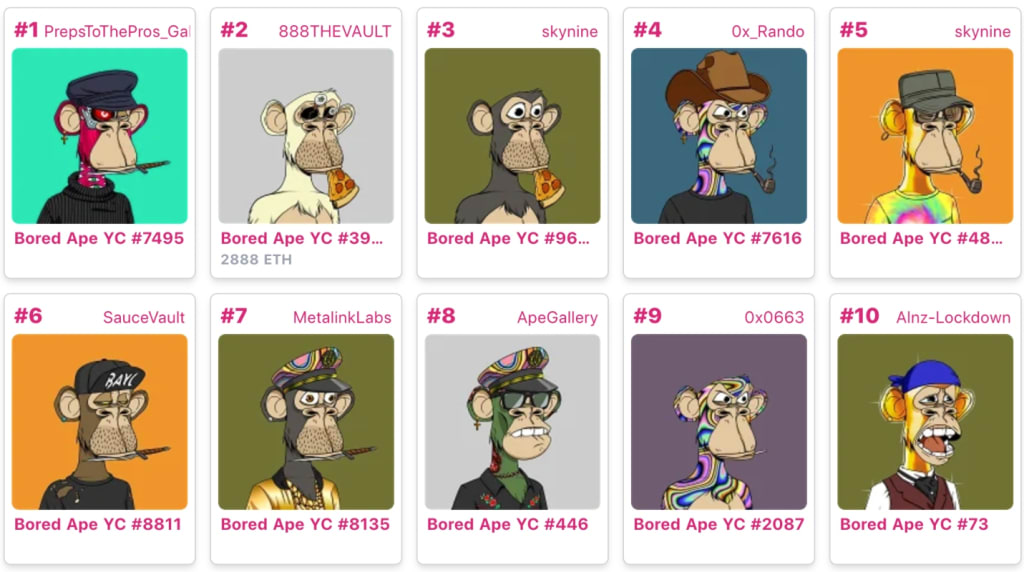
Non-Fungible Tokens, or NFTs, have taken the world by storm. These digital assets, often used to represent ownership of unique or rare items such as art, music, and video game items, have gained immense popularity in recent years. One of the key features of NFTs is their rarity, which can greatly affect their value in the market. In this article, we will explore what NFT rarity means, how it is determined, and its impact on the NFT market.
What Is NFT Rarity?
NFT rarity refers to the uniqueness of an NFT. While many NFTs may have similar characteristics or themes, each one is typically unique in some way, either in terms of its underlying data, its metadata, or its overall composition. Rarity can also refer to the overall scarcity of a particular NFT, with rarer items being more difficult to obtain or create. In the context of the NFT market, rarity can be a major factor in determining an NFT's value, with rarer items generally commanding higher prices.
How Is NFT Rarity Determined?
There are several factors that can contribute to the rarity of an NFT. These include:
1. Uniqueness of the underlying data
The underlying data of an NFT is often what makes it unique. For example, an NFT representing a piece of artwork may have a unique digital signature that identifies it as the only existing copy of that particular piece. Similarly, an NFT representing a rare video game item may have unique metadata that sets it apart from other similar items.
2. Limited availability
Many NFTs are created in limited quantities, with only a small number of copies being made available to buyers. This can make them more rare and valuable than NFTs that are widely available.
3. Rarity of the original item
If an NFT represents an item that is already rare in the physical world, such as a one-of-a-kind piece of artwork, it may be more valuable due to its rarity in both the physical and digital realms.
4. Popularity
Finally, popularity can also play a role in determining an NFT's rarity. If an NFT is highly sought after by collectors and enthusiasts, it may be considered rare simply because it is difficult to obtain.
The Impact of NFT Rarity on the Market
NFT rarity can have a significant impact on the value of an NFT in the market. Items that are considered rare or unique are often seen as more valuable, and can command higher prices as a result. Rarity can also create a sense of exclusivity, with collectors and enthusiasts vying to own a piece of history or a one-of-a-kind item.
However, the impact of rarity on the NFT market is not always straightforward. While rare items may be more valuable, their rarity can also limit their appeal to potential buyers. If an NFT is too rare or too difficult to obtain, it may be seen as less desirable, as potential buyers may not be willing to pay the high prices associated with rarity.
In addition, the concept of rarity in the NFT market is constantly evolving. As more and more NFTs are created and made available for purchase, the definition of rarity may shift, with new standards emerging for what is considered rare or valuable.
Conclusion
NFT rarity is an important concept in the world of digital assets. By understanding what it means and how it is determined, collectors and enthusiasts can better navigate the NFT market and make informed decisions about which items to purchase. While rarity can greatly impact an NFT's value, it is not the only factor to consider when buying or selling these unique digital
About the Creator
Keep reading
More stories from mayank singh and writers in Education and other communities.
What is Divergence Cheat Sheet
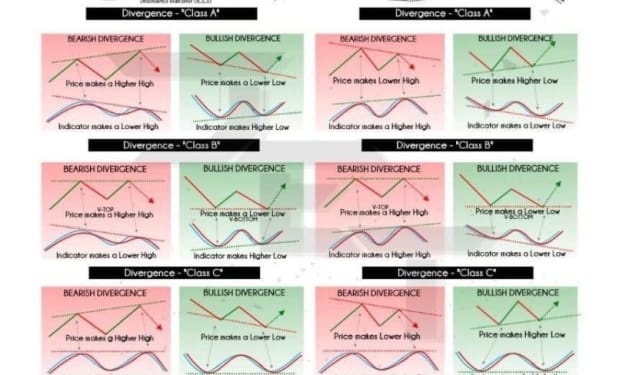
Divergence is a powerful tool used in technical analysis to identify potential trend reversals and trade signals in financial markets. It measures the disparity between the price action of an asset and a technical indicator, such as the Moving Average Convergence Divergence (MACD) or Relative Strength Index (RSI). Divergence can provide valuable insights into the strength or weakness of a trend, as well as potential entry and exit points for traders.
By mayank singh3 years ago in Education
7 AI Tools That Can Replace Hours of Work in 2026 (And Help You Make Money Online)
Artificial intelligence is no longer just a futuristic idea—it’s quickly becoming one of the most powerful tools for productivity and online income. In 2026, AI tools are transforming how people work, create content, start businesses, and automate daily tasks.
By Majus Jasulaitis7 days ago in Education
Distracted Thoughts
I go for a swim every Sunday morning. I’m not sure why I started there. Probably because that’s where I started thinking about writing this. But that being the case I could quite easily have started when I was looking at the hot honey Jaffa Cakes in Tesco that I hadn’t gone in to buy but had caught my eye en route to the eggs. I slipped towards it then. I suppose I could start from the drive to the massive antique shop or a couple of times when I was in there too, the idea drifted in and out like a desperate jellyfish trying hard not to get stuck on the shore. It has some sense of shape but little direction and every chance of being pecked to bits by angry seagulls. Now I’ll go back to the swimming pool, that is a useful place to start.
By Simon Curtis6 days ago in Education
My First Time Skiing and I Got Lost, Alone, in the French Alps
Looking back, I can trace some of my life’s biggest adventures to a simple action from my sister. She’d introduced me to Tommy (a very long time ago), a colleague of hers, who had overshared his penchant for Italian-looking women, and I ticked that box.
By Chantal Christie Weiss3 days ago in Humans


Comments
There are no comments for this story
Be the first to respond and start the conversation.