
New Year Traditions Across the Globe: Celebrations Beyond January 1st"
Exploring Unique Festivities and Customs from Different Cultures After the Countdown"


INTRODUCTION
New Year celebrations around the world extend beyond January 1st and vary in customs, timing, and significance. While many countries celebrate the arrival of the new year on January 1st, other cultures observe it at different times or mark the occasion with multi-day festivities. Here are some notable New Year celebrations around the world that go beyond January 1st:
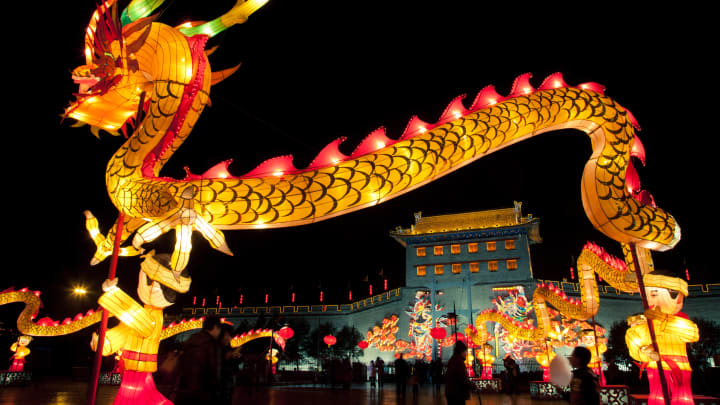
1. Chinese New Year (Lunar New Year) – Typically January or February
When: The date varies each year based on the lunar calendar, but it usually falls between January 21 and February 20.
How it's celebrated: Chinese New Year is marked by family reunions, feasts, giving red envelopes (hongbao) with money for good luck, and fireworks. The celebration lasts for 15 days, ending with the Lantern Festival.
2. Rosh Hashanah (Jewish New Year) – September or October
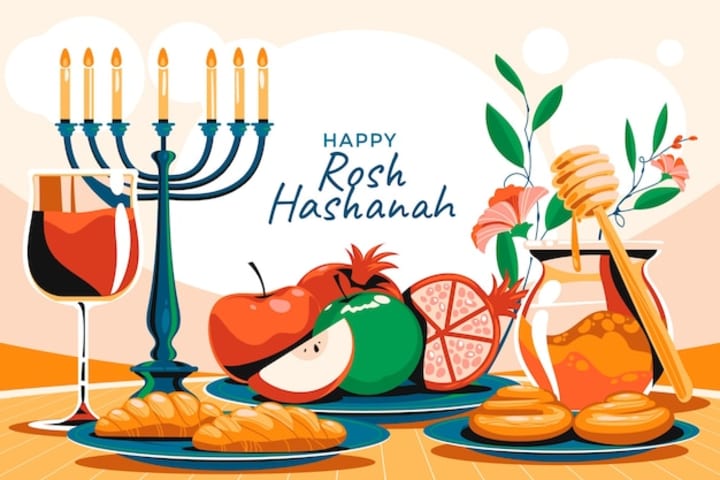
When: It falls in the first month of the Hebrew calendar, typically in September or October.
How it's celebrated: Rosh Hashanah is a time for reflection, prayer, and the blowing of the shofar (ram’s horn). It marks the start of the Jewish High Holy Days, with celebrations continuing for two days.
3. Diwali (Hindu New Year) – October or November
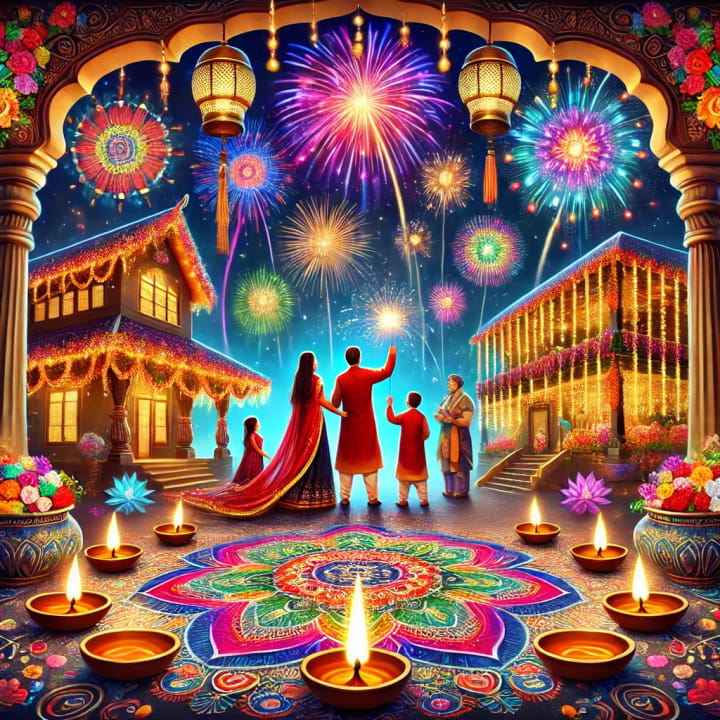
When: Diwali falls on the 15th day of the dark fortnight of Ashvin, the seventh month of the lunar calendar, which corresponds to October or November.
How it's celebrated: Known as the Festival of Lights, Diwali includes lighting oil lamps, setting off fireworks, and exchanging sweets. It's a time to celebrate the triumph of light over darkness and good over evil.
4. Nowruz (Persian New Year) – March 20 or 21
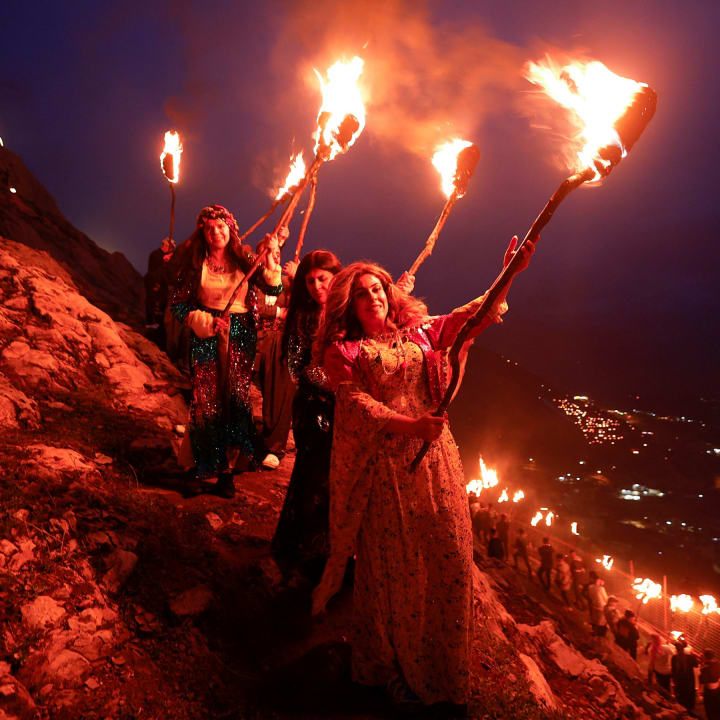
When: Nowruz coincides with the vernal equinox, usually on March 20 or 21.
How it's celebrated: Nowruz, the Persian New Year, is celebrated with spring cleaning, feasts, and family gatherings. People often jump over fires to symbolize purification and renewal.
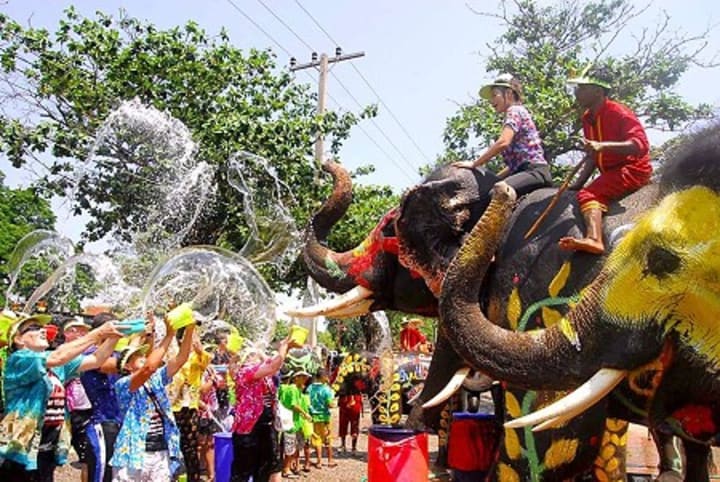
5. Songkran (Thai New Year) – April 13-15
When: Songkran is celebrated from April 13 to 15.
How it's celebrated: The Thai New Year is marked by a water festival where people splash water on each other in the streets as a symbol of cleansing and renewal. It is also a time for family gatherings, temple visits, and making offerings.
6. Baisakhi (Sikh New Year) – April 13 or 14
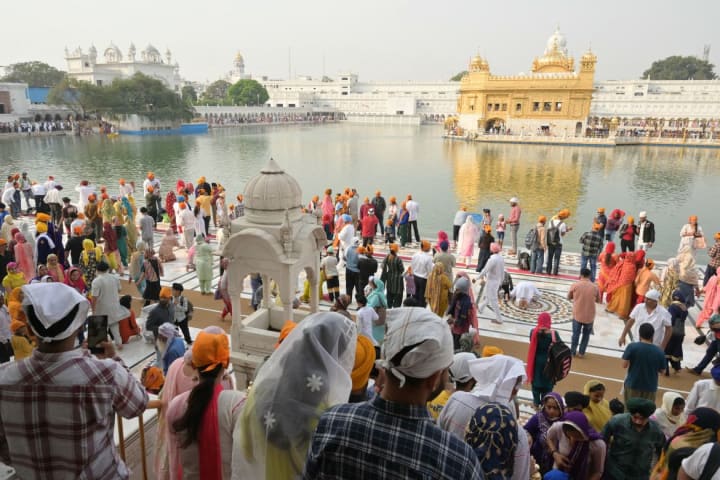
When: Baisakhi is typically celebrated on April 13 or 14.
How it's celebrated: In Punjab, India, Baisakhi marks the harvest season and the beginning of the new year in the Sikh calendar. It is celebrated with processions, dancing, singing, and prayers.
7. Vesak (Buddhist New Year) – April or May
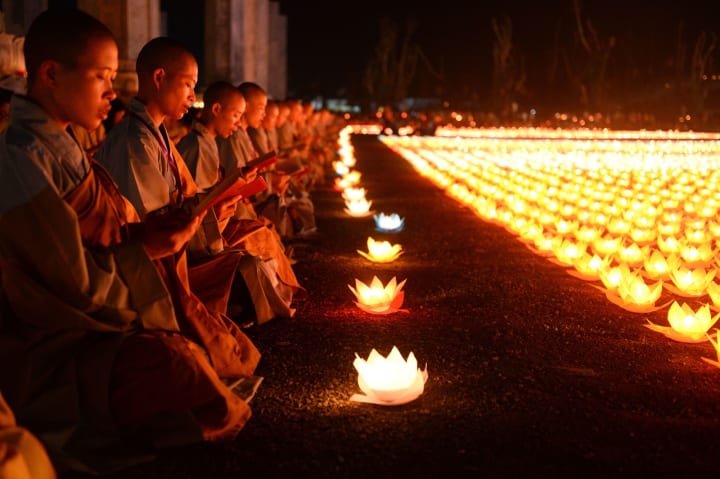
When: Vesak is celebrated on the full moon day in April or May, varying by country.
How it's celebrated: Observed by Buddhists in several Asian countries, Vesak marks the birth, enlightenment, and death of the Buddha. It is celebrated with prayers, rituals, and visits to temples.
8. Seollal (Korean New Year) – January or February
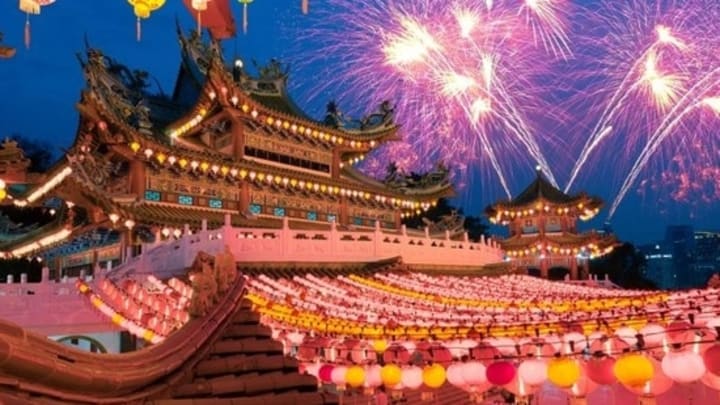
When: Seollal, the Korean Lunar New Year, falls on the first day of the lunar calendar, usually in January or February.
How it's celebrated: Families honor their ancestors through rituals, wear traditional hanbok clothing, and play traditional games. Food such as tteokguk (rice cake soup) is commonly eaten.
9. Ethiopian New Year (Enkutatash) – September 11
When: Enkutatash is celebrated on September 11 (or 12 in a leap year).
How it's celebrated: This is the start of the year in the Ethiopian calendar. People celebrate with family gatherings, feasts, and the exchange of gifts. It is also the time to mark the end of the rainy season.
10. Carnival (Brazilian New Year) – February or March
When: Carnival takes place before Lent, typically in February or early March.
How it's celebrated: While not directly related to the new year, Carnival marks the beginning of the Brazilian year with grand parades, samba dances, and street parties. It is a time of joyful celebrations before the start of Lent.

11. Hogmanay (Scottish New Year) – December 31 and beyond
When: Hogmanay celebrations begin on December 31 but can last into January 1 and beyond.
How it's celebrated: Scottish New Year celebrations are known for their firework displays, torchlight processions, and traditional events like singing "Auld Lang Syne" at midnight. Some towns hold festivals that last several days.
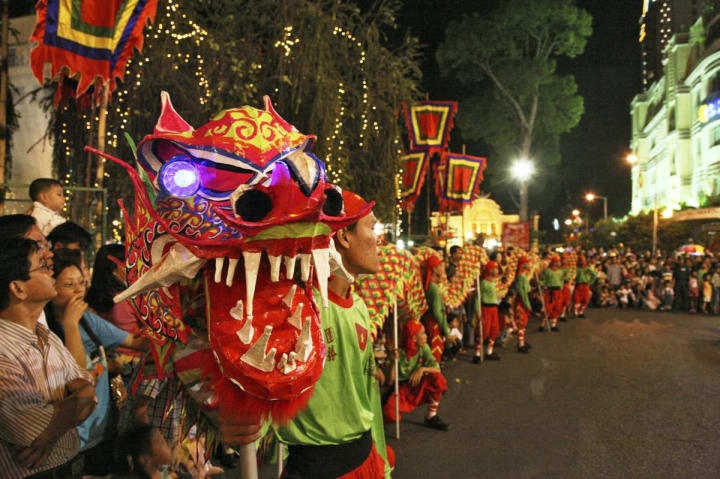
12. Tết Nguyên Đán (Vietnamese New Year) – January or February
When: Tết is celebrated at the same time as Chinese New Year, based on the lunar calendar.
How it's celebrated: Tết involves family reunions, honoring ancestors, and giving gifts, especially lucky money in red envelopes. The festivities last for several days and include traditional foods and cultural performances.
"Wishing you a year filled with love, joy, and endless possibilities—Happy New Year!"
CONCLUSION
Each of these New Year celebrations offers a unique window into the traditions and cultural values of the people who observe them. They reflect themes of renewal, reflection, and family togetherness, often with roots in ancient customs that have evolved over the centuries.
About the Creator
Aishwarya Gandhi
" As a Professor , enjoy expressing the words that resonate with me, sharing my stream of consciousness through stories to enhance the impressionistic qualities of every individual in this world."
Keep reading
More stories from Aishwarya Gandhi and writers in Education and other communities.
Rise and Thrive: The Blueprint to Becoming a Successful Woman Entrepreneur"
"Be the boss you always admired and create the future you deserve." INTRODUCTION Becoming a "SUCCESSFUL WOMEN ENTERPRENEUR"requires courage, vision, and futuristic ideas and resilience. It starts with believing in your potential and embracing your unique strengths and ideas. Despite challenges like societal barriers and limited resources, successful Women turn obstacles into opportunities. By staying focused, taking risks, breaking the barriers and building strong networks, women can transform their ideas into thriving businesses. Success comes from persistence, adaptability, adjustability, patience and the belief that your vision matters.
By Aishwarya Gandhi about a year ago in Education
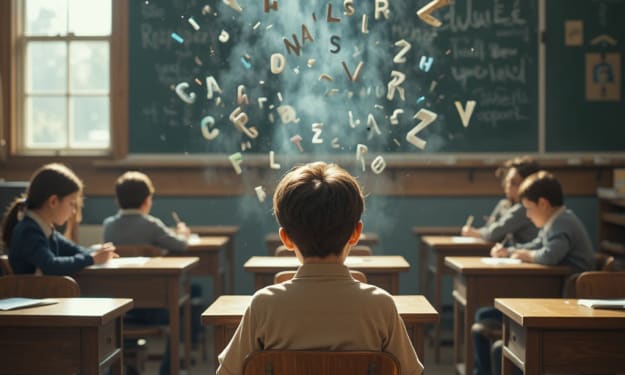
The Boy Who Saw Dancing Letters
When Arman was seven years old, school felt like a battlefield. While other children easily read the alphabet on the blackboard, the letters in front of him seemed to move and dance. The capital A, B, and C refused to stay still. Sometimes he wrote b instead of d, and other times p looked exactly like q to him. No matter how hard he tried, the words refused to stay in place.
By zohaib ahmad2 days ago in Education
A Transparent Look at Vocal Challenges and Top Stories
Almost three years ago, we shared a resource article that served as a place for people to suggest new challenge prompts. We thought it would be a good idea to refresh that thread, and take the opportunity to answer a few common questions about top stories, how challenges are judged and how submissions are reviewed.
By Vocal Curation Team3 days ago in Resources



Comments (1)
Looking for the best fireworks shop near you? Buy cheap fireworks at our fireworks shop! Enjoy fireworks delivery right to your doorstep. Call now at 01274 009579. https://big-shotter-fireworks.co.uk/big-shotter-fireworks-vs-tesco-fireworks-who-has-the-best-prices/