
New Horizons
Exploring the Future of Space Exploration and Colonization

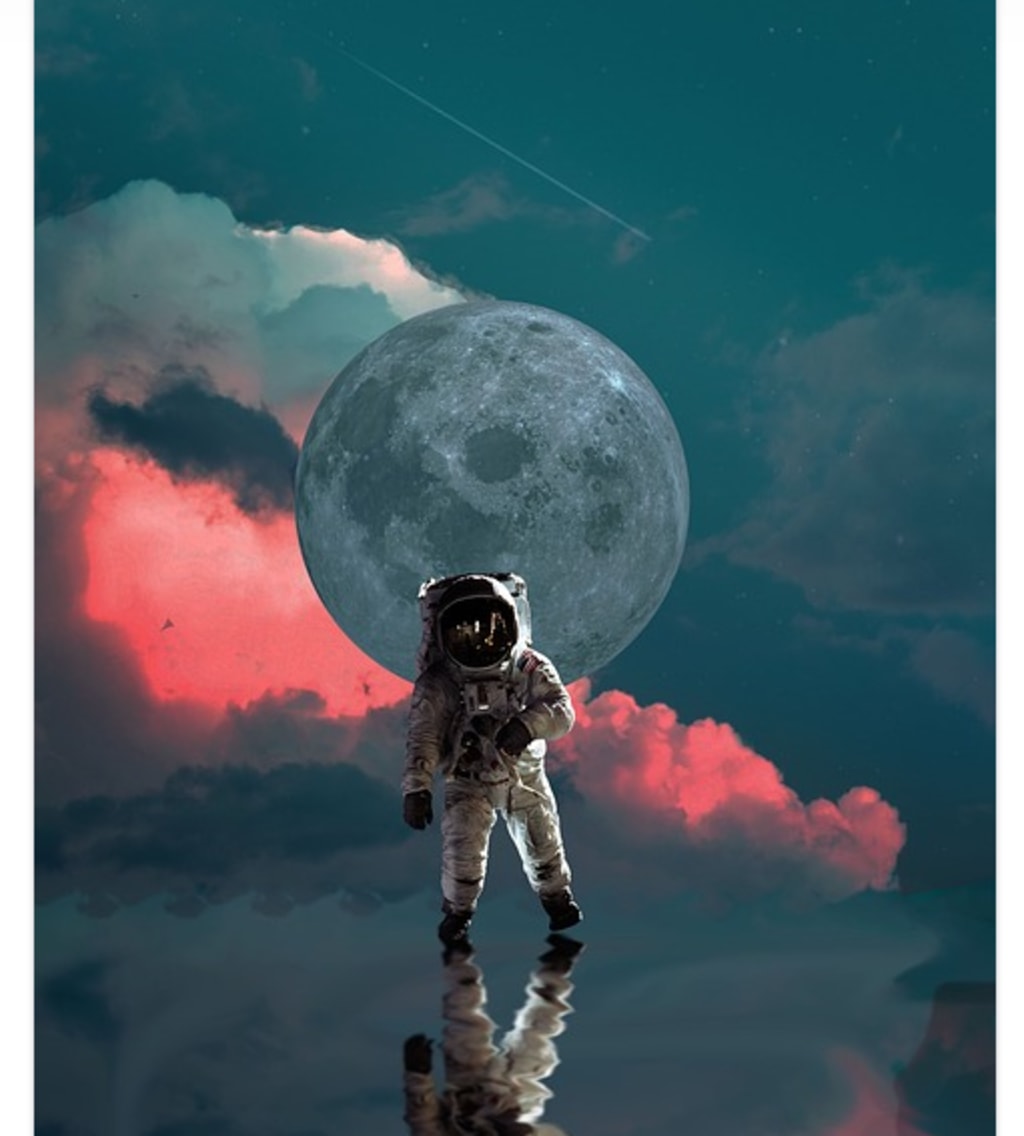
Sustaining life on a planet with harsh environmental conditions such as Mars is one of the biggest challenges facing space exploration and colonization. Mars is an extremely hostile environment, with extreme temperatures, low atmospheric pressure, and high radiation levels. To sustain human life on Mars, scientists and engineers must overcome a wide range of technical and logistical challenges.
One of the biggest challenges is the lack of a breathable atmosphere on Mars. The Martian atmosphere is very thin, with just 1% of the atmospheric pressure found on Earth. This means that humans cannot survive on the surface of Mars without wearing a pressurized spacesuit or living in a pressurized habitat. In addition to this, the Martian atmosphere is made up primarily of carbon dioxide, which is toxic to humans in high concentrations.
Another major challenge is the extreme temperature variations on Mars. The planet's thin atmosphere cannot retain heat very well, so temperatures can vary widely from day to night and from season to season. During the Martian winter, temperatures can drop to as low as -130°C (-200°F), while during the summer, they can rise to a relatively balmy 20°C (68°F). These temperature variations make it difficult to maintain a stable and habitable environment for humans.
Mars also lacks a strong magnetic field, which means that the planet is bombarded by high levels of radiation from the sun and from space. This radiation can cause a wide range of health problems for humans, including cancer, genetic mutations, and damage to the nervous system. Protecting humans from this radiation is a major challenge for any Mars colonization effort.
Other challenges include finding sources of food and water, dealing with the dust and soil on the Martian surface, and ensuring that humans can maintain their physical and mental health in an isolated and confined environment.
Despite these challenges, there are a number of innovative solutions being developed to make life on Mars a possibility. For example, scientists are exploring the possibility of terraforming Mars, which would involve transforming the planet's atmosphere and surface to make it more habitable for humans. Technologies such as 3D printing and in-situ resource utilization (ISRU) could also help to reduce the cost and complexity of establishing a human presence on Mars.
In conclusion, sustaining life on a planet with harsh environmental conditions such as Mars is an enormous challenge. Overcoming the technical and logistical obstacles will require innovation, cooperation, and perseverance. However, the potential benefits of colonizing Mars, including scientific discovery, exploration, and the long-term survival of the human species, make it a challenge worth pursuing.
Here are some interesting facts about space exploration and colonization:
The International Space Station (ISS) is the largest human-made object ever built in space, weighing over 400,000 kilograms.
NASA's Voyager 1 spacecraft, launched in 1977, is the farthest man-made object from Earth, having traveled over 22 billion kilometers from our planet.
The longest single spaceflight by a human was made by Russian cosmonaut Valeri Polyakov, who spent 437 days in space aboard the Mir space station.
The surface temperature on Venus can reach up to 460°C (860°F), making it the hottest planet in the solar system.
The Martian day, or "sol," is slightly longer than a day on Earth, lasting approximately 24 hours and 39 minutes.
The largest volcano in the solar system is on Mars. Olympus Mons is a shield volcano that stands over 21 kilometers (13 miles) high, making it nearly three times the height of Mount Everest.
The first successful landing on a comet was made by the European Space Agency's Rosetta spacecraft in 2014.
The only spacecraft to have visited Pluto is NASA's New Horizons probe, which made its flyby in 2015, revealing Pluto to be a complex and fascinating world.
Astronauts on the ISS experience 16 sunrises and sunsets per day, as the space station orbits the Earth every 90 minutes.
The Moon is slowly moving away from the Earth at a rate of approximately 3.8 centimeters (1.5 inches) per year.
About the Creator
Reader insights
Nice work
Very well written. Keep up the good work!
Top insights
Expert insights and opinions
Arguments were carefully researched and presented
Masterful proofreading
Zero grammar & spelling mistakes
Easy to read and follow
Well-structured & engaging content
Heartfelt and relatable
The story invoked strong personal emotions
Compelling and original writing
Creative use of language & vocab
On-point and relevant
Writing reflected the title & theme
Excellent storytelling
Original narrative & well developed characters
Eye opening
Niche topic & fresh perspectives
Rising Above Adversity
Challenges and setbacks are an inevitable part of life. Whether it's a personal or professional goal you're striving to achieve, obstacles are bound to come up along the way. The key to success is to maintain motivation and persistence in the face of these challenges. Here are some tips on how to stay motivated when faced with setbacks and obstacles:
By Ahsan3 years ago in Motivation
Basics on How to Build Good Credit
Your credit score might feel like a mysterious number you only think about when applying for a loan or credit card. But in reality, credit plays a much bigger role in your financial life than most people realize. It can affect everything from the interest rates you pay to whether you’re approved for an apartment or even certain jobs.
By Anthony Bahamonde6 days ago in Education
The 15-Minute Reading Habit That Can Transform Your Mind
Reading for just 15 minutes a day may sound like a small goal, but it can create a major shift in the way your mind works. In today’s fast-paced world, many people feel overwhelmed by constant notifications, short-form content, and nonstop distractions. This makes it harder to focus, think clearly, and stay mentally calm. The good news is that you don’t need hours of free time to improve your brain—you only need consistency. A daily reading habit, even for a short time, can strengthen your focus, sharpen your thinking, and support long-term personal growth.
By Paul Wiedmaier5 days ago in Education



Comments (1)
Impressive 👍