
Neuroeducational Strategies To Take Center Stage At 2024 Education Events
At the heart of modern education, neuroeducational learning strategies are transforming how we approach teaching and learning.


These strategies blend neuroscience, psychology, and education theory. They unlock new ways to engage and educate diverse learners. As we look towards the education events in 2024, like the Education 2.0 Conference, this approach is not merely academic.
It's a vital tool for educators, experts, and leaders aiming to reshape educational practices. This blog will explore these cutting-edge strategies. It will show how they're set to elevate learning experiences. Readers will discover actionable insights and innovative trends poised to influence education's future.
Neuroscientific Principles Into Curriculum Design
Neuroscientific principles provide a foundation for crafting curricula that resonate with the brain's natural learning processes. Incorporating strategies like spaced repetition and multisensory learning not only aligns with these processes but also enhances retention and engagement. Understanding the brain's developmental stages is crucial for creating age-appropriate learning experiences that stimulate curiosity and encourage inquiry-based learning. Additionally, integrating physical movement and storytelling into curriculum design can further leverage the brain's inherent learning capabilities. Insights from these methodologies are anticipated to be a highlight at forthcoming USA education conferences, showcasing how they can transform teaching and learning.

Personalized Learning Paths Powered By AI
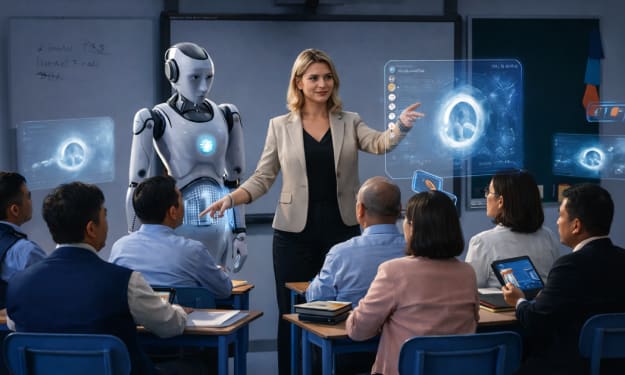
Artificial intelligence (AI) offers unparalleled opportunities for personalizing education. By analyzing data on students' learning patterns and preferences, AI can tailor educational experiences, making them more relevant and engaging. However, this technological integration comes with the responsibility of addressing ethical concerns and ensuring data privacy. Collaborative efforts between educators and AI can maximize the benefits of this technology, especially in identifying and supporting neurodiverse learners with customized interventions.
Cognitive Load Management
Effective education requires careful management of cognitive load—the amount of information a learner can process at any given time. Techniques such as chunking, scaffolding, and balancing synchronous and asynchronous learning can help optimize cognitive load, ensuring that students are challenged but not overwhelmed. Incorporating metacognitive strategies into learning experiences can also help students manage their cognitive load more effectively, leading to improved learning outcomes. The application of these techniques is expected to be a key discussion topic at education events in 2024, enriching the dialogue on enhancing student engagement and performance.
Emotional Intelligence And Learning
The impact of emotional intelligence on learning cannot be overstated. Strategies that support emotional regulation and resilience can significantly enhance motivation and the retention of knowledge. Educators play a key role in modeling these competencies, creating a classroom environment that promotes emotional well-being. Incorporating mindfulness and stress-reduction techniques can further support students' emotional states, contributing to a conducive learning environment.
Neuroplasticity And Lifelong Learning
Neuroplasticity showcases the brain's capacity to adapt and change its neural connections, underscoring lifelong learning and growth possibilities. Educational strategies should, therefore, not only focus on immediate learning goals but also on cultivating a growth mindset and adaptability. Cross-disciplinary learning, language acquisition, and musical training can stimulate neuroplasticity, supporting cognitive development and resilience.
The exploration of neuroplasticity's role in promoting lifelong learning is anticipated to deepen at future USA education conferences, like the Education 2.0 Conference, offering advanced methodologies for enhancing cognitive flexibility and educational resilience.
Feedback Systems Aligned With Neural Processes
Developing feedback mechanisms that align with neural learning processes can enhance the effectiveness of educational interventions. Digital platforms offering real-time feedback, peer feedback systems, and feedback that promotes a growth mindset can all reinforce learning in powerful ways. Educators' ability to provide specific, constructive feedback is paramount in this context, as it directly influences neural pathways involved in learning.
Enhancing Executive Functioning Skills
Skills in executive functioning, including working memory, cognitive adaptability, and self-regulation, are essential for effective learning. Direct instruction in these areas, combined with strategies to increase task complexity gradually, can significantly improve these cognitive skills. The integration of games and play-based activities can naturally develop executive functions, highlighting the importance of a holistic approach to cognitive development.
Predictive Analytics In Personalizing Education
The use of predictive analytics in education holds promise for forecasting learning trajectories and personalizing learning experiences. By developing dynamic learning modules and learner profiles, educators can use predictive analytics to adapt educational content and strategies to meet individual needs effectively. Ongoing adjustments to predictive models are necessary to ensure they remain unbiased and focused on supporting all learners.

Neurofeedback And Enhanced Learning Environments
Neurofeedback offers a novel approach to improving attention, reducing anxiety, and enhancing cognitive functions. By providing real-time insights into brain activity, neurofeedback enables students and educators to optimize mental states for learning. The potential integration of neurofeedback with immersive technologies like virtual reality could further revolutionize educational practices, offering engaging and effective learning experiences.
Ethical Considerations And Inclusivity
As we venture further into the integration of neuroscience in education, ethical considerations and inclusivity must remain at the forefront. Ensuring that neuroeducational practices benefit a diverse range of learners without exacerbating inequalities is crucial. Engaging with ethical guidelines, prioritizing accessibility, and involving communities in the development of neuroeducation strategies are all essential steps in this process.
2024's Leap In Education With Advanced Learning Techniques
The exploration of neuroeducation and learning strategies illuminates a path toward innovative educational practices. By leveraging advanced technologies and upholding ethical standards, the education sector stands on the brink of transformative growth. The future holds great promise for integrating these insights into tangible teaching methodologies, with 2024 education events, such as the Education 2.0 Conference, poised to showcase groundbreaking developments in this arena.
These gatherings will offer invaluable insights into the evolving landscape of education, encouraging educators and leaders to engage with the latest trends. Attending such conferences aligns with the pursuit of enhancing learning outcomes, inviting professionals to explore agendas that resonate with their aspirations.
About the Creator
Education 2.0 Conference
A 3-day education event, Education 2.0 Conference, brings forth notable leaders from all over the world under one roof to network, collaborate, and discuss the issues and challenges of the sector while finding possible solutions.
Keep reading
More stories from Education 2.0 Conference and writers in Education and other communities.
Education Summit’s Experts Share How AI Can Help Identify Learning Disabilities Early
The early identification of learning disabilities has long been a challenge for educators, parents, and healthcare professionals. Traditional assessment methods, while effective in many cases, often rely on observable behaviors and academic performance over time, which can delay interventions.
By Education 2.0 Conference21 days ago in Education
Problem-Solving Skills for Better Decision Making
Making good choices is a skill. Some people think strong decisions come from luck or natural talent. In truth, they come from practice and clear thinking. This is where powerful problem-solving skills for better decision-making play an important role.
By Andrew Lake4 days ago in Education


Comments
There are no comments for this story
Be the first to respond and start the conversation.