
Nepal: A Living Symphony of Natural Wonders.
Discover the Majesty of Nepal's Himalayas, Lakes, and Forests in the heart of south Asia.

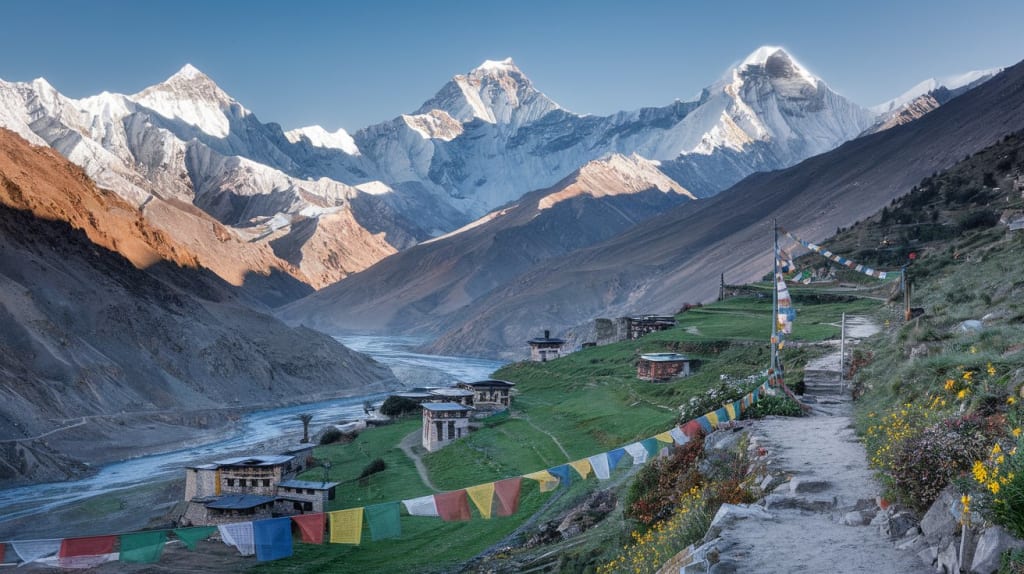
Nepal: Nature's Masterpiece in the Heart of the Himalayas
Nepal, the land of staggering beauty, captivates hearts with its majestic mountains, verdant valleys, and intricate cultural tapestry. This small yet immensely diverse country in South Asia is often referred to as the gateway to the Himalayas. Its breathtaking landscapes and rich biodiversity make Nepal an unparalleled haven for nature enthusiasts and adventurers alike.
It's an exploratory journey that covers various beauties of Nepal-from its awe-inspiring mountains to its serene lakes, from vibrant ecosystems to deep spirituality connected with nature.
The Crown of the Himalayas: Everest and Beyond
The Himalayan range is doubtless the most iconic feature of Nepal, attracting millions of visitors each year. Among the towering peaks lies Mount Everest, at 8,848 meters, the tallest mountain in the world. For centuries, the mountain has been a symbol of human endurance, ambition, and connection with nature.
But Everest is only one of eight peaks in Nepal that rise above 8,000 meters, and Kanchenjunga, Lhotse, and Makalu are equally intoxicating. These mountains are not only geological marvels but also steeped in local mythology and spirituality.
Some trek routes like the Annapurna Circuit and Langtang Valley Trek take one across high-altitude landscapes, offering breathtaking views and chances to experience peculiar cultures. The fluttering prayer flags and ancient stupas adorn these trails and seem to mix their beauty with the natural environment in a most perfect way.
Lakes of Nepal
The lakes of Nepal are something naturally perfect, reflecting back the serenity of its landscape. The shimmering waters of Phewa Lake, in the picturesque city of Pokhara, serve as a mirror to the mighty Annapurna range. People visit this lake not only for its beauty but also for the serene boating experience it offers. In the middle of the lake stands the Tal Barahi Temple, a two-story pagoda-style structure dedicated to the goddess Durga.
Further north lies Rara Lake, also referred to as the "Queen of Lakes," which is located at an altitude of 2,990 meters in the far-western part of Nepal. This pristine lake is situated amidst lush pine and juniper forests and acts as a haven for migratory birds and rare aquatic species.
Another jewel is Gosaikunda Lake, a holy alpine lake for both Hindus and Buddhists. Every year, pilgrims come at the time of Janai Purnima to offer their prayers and purify themselves in its icy water.
Forests and National Parks: A Green Paradise
Nepal's forests are teeming with life, showcasing the unparalleled biodiversity of the country. The variety of ecosystems ranges from tropical lowlands to alpine meadows and supports unique flora and fauna for each.
Chitwan National Park
This UNESCO World Heritage Site, in the subtropical Terai region, houses one-horned rhinoceroses, Bengal tigers, and wild elephants. Visitors can experience the thrill of spotting these majestic creatures during jeep safaris or guided jungle walks. Bird enthusiasts come to Chitwan because of its vibrant avian population, which includes over 500 species.
Sagarmatha National Park
This is a UNESCO-listed park that is home to Mount Everest and other lofty peaks. The alpine region is a sanctuary for snow leopards, Himalayan tahrs, and red pandas. Trekkers are greeted by breathtaking vistas, glacial rivers, and hanging bridges, making their journey as much about discovery as it is about endurance.
Bardia National Park
Bardia is an untouched wilderness in western Nepal and offers a quieter experience than Chitwan. The park protects rare species, including the Ganges river dolphin and swamp deer.
Annapurna Conservation Area
The largest protected area in Nepal, this region is a hotspot of biodiversity, with subtropical forests, bamboo groves, and alpine meadows. It is a favorite among trekkers who come for its scenic trails and vibrant rhododendron forests.
Diverse Wildlife: A Treasure Trove of Species
Nepal is a haven for many of the world's most endangered species. The lowlands of Terai give shelter to mammals such as the sloth bear, striped hyena, and golden jackal, while the mountainous regions are a home for elusive creatures like the snow leopard and Himalayan blue sheep.
The forests are alive with colorful birds that include the Himalayan monal, the national bird of Nepal. Butterflies and orchids add splashes of color to the already vibrant landscapes.
Thanks to increased conservation efforts such as anti-poaching programs and community-based tourism, populations of one-horned rhinoceroses and Bengal tigers are regaining their hold, and Nepal stands tall among nations in the world in terms of wildlife preservation.
Rivers: The Lifeblood of Nepal
The rivers of Nepal, born from the glaciers of the Himalayas, are vital for agriculture and a source of adventure and spiritual significance. The Trishuli River is a favorite among rafters, offering thrilling rapids and scenic views. The Kali Gandaki River, named after the Hindu goddess Kali, flows through the world's deepest gorge, flanked by the Annapurna and Dhaulagiri ranges.
These rivers also are the lifeline of local communities for farming and day-to-day living, as was pointed out. Events like Chhath Puja underlined the cultural and spiritual relevance of the water body.
The Spiritual Connection: Nature and Belief
In Nepal, nature and spirituality go hand in hand. Mountains are taken as the abode of gods, while rivers are considered as lifelines of sacred nature. The Himalayas are not mere physical barriers but spiritual gateways to attract seekers and pilgrims from across the globe.
Temples and monasteries speckle the landscape and often blend into their surroundings. The famous Muktinath Temple in the Mustang region is a respectful place for both Hindus and Buddhists. Similarly, Lumbini, the birthplace of Lord Buddha, shines as an icon of peace and harmony.
Seasonal Splendor: Nepal Through the Year
Nepal's landscapes change with each season, offering a dynamic experience to visitors.
Spring: Rhododendrons and magnolias bloom, painting the hills with colors. The weather is mild, hence ideal for trekking.
Summer/Monsoon: The land rejuvenates with the rains, as greenery covers everything and dramatic waterfalls appear.
Autumn: The clear skies and golden harvests dominate this season, which is the peak time among trekkers and photographers.
Winter: Higher altitudes are taken over by snow, while the serene vistas contrast beautifully with the warmer lowlands.
People and Culture: A Living Heritage
Besides nature, it is its rich cultural heritage that combines to make Nepal a vibrant country. The Sherpas of the Himalayas, a tribe of recognized mountaineers, have come to symbolize the hardiness and friendliness of Nepal's people. The Tharu communities of the Terai show a different culture intermingled with the jungles.
Dashain, Tihar, and Holi are festivals that celebrate man's relation with nature. Traditional dances, music, and other art forms contribute to the varied cultural landscape.
Sustainable Tourism: Preserving Nepal's Beauty
With the growth in tourism comes challenges like waste management and habitat degradation. Nepal has taken significant steps to address these issues through eco-tourism and sustainable practices. Programs like "Clean Up Everest" and community-managed conservation areas are helping preserve the country's natural and cultural treasures.
Visitors are encouraged to travel responsibly, ensuring that Nepal's beauty can be enjoyed by future generations.
Conclusion: A Timeless Paradise
The natural beauty of Nepal is much more than a feast for the eyes; it is a spiritual, cultural, and ecological treasure. From the snow-capped peaks of the Himalayas to the lush jungles of the Terai, every corner of Nepal has a story to tell of resilience, harmony, and wonder.
A journey to Nepal is not a visit to this beautiful country; it's a plunge into the very substance of life. Be it trekking to Everest Base Camp, exploring the tranquil waters of Phewa Lake, or marveling at the wildlife of Chitwan, Nepal leaves an indelible mark on your soul—a testament to the boundless beauty of our planet.
About the Creator
Dinesh Maurya
I'm a passionate writer, creative storyteller, and motivational enthusiast who has carved out engaging narratives to inspire and educate. I can offer linguistic expertise combined with richness in culture in my work.
Keep reading
More stories from Dinesh Maurya and writers in Education and other communities.
Threads of Tradition
Threads of Tradition: A Voyage into Indian Culture India is a tapestry of breathtaking hues, varied ethnicity, and imbedded religiosity. Every nook and cranny of this vast country echoes a different story sewn into the fabric of its culture, fostered by thousands of years of history. This is a story about Meera, a young city girl getting back to her roots in a small Indian village.
By Dinesh Mauryaabout a year ago in Education
From Stove to Strategy: Steve Wolfe’s Take on Scaling Your Food Business from Kitchen to Boardroom
Every food business begins with passion—late nights in the kitchen, handwritten recipes, and the joy of seeing someone love what you’ve made. But when demand grows, passion alone isn’t enough. Scaling your food business from kitchen to boardroom requires a shift in thinking, planning, and leadership.
By Steven Joseph Wolfe6 days ago in Education



Comments (1)
Nice i have visited to pokhara it is very nice place