
Navigating the Storm: Effective Crisis Management Strategies for Building Success in Public Relations
Creative Public Relations
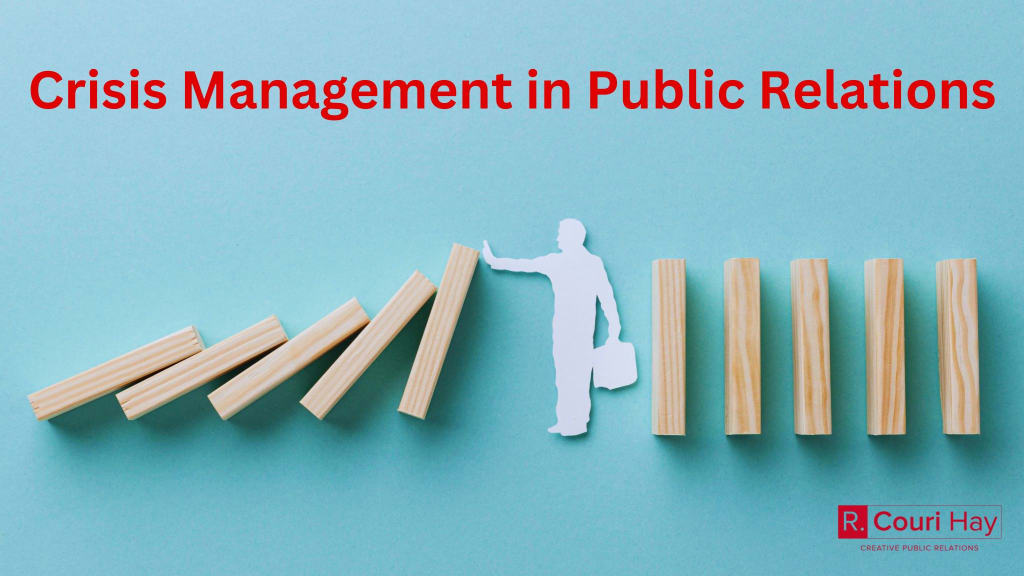
Crisis management is pivotal in public relations, helping individuals, organizations, and businesses navigate challenging situations while protecting and enhancing their public image. A well-executed crisis management strategy can make the difference between reputational damage and reputational resilience. In this article, we will explore effective crisis management strategies and how they contribute to building success in public relations.
I. Understanding Crisis Management in Public Relations:
Crisis management in public relations refers to the strategic planning and execution of actions to mitigate a crisis's negative impact on an individual or organization's reputation. Crises can emerge from various sources, such as natural disasters, product recalls, financial scandals, or public controversies. When handled effectively, crisis management can help rebuild trust, maintain stakeholder relationships, and safeguard the public image.
II. Key Crisis Management Strategies
A. Proactive Planning:
Effective crisis management begins with proactive planning. This involves identifying potential risks and developing a comprehensive crisis management plan that outlines response protocols, designated spokespersons, and communication channels. By anticipating potential crises, organizations can be better prepared to handle them, mitigating their impact and protecting their public image.
B. Swift and Transparent Communication:
Swift and transparent communication is vital during a crisis. Promptly sharing accurate information helps establish credibility, minimize speculation, and demonstrate a commitment to transparency. By addressing concerns and providing regular updates, organizations can foster trust and maintain open lines of communication with stakeholders.
C. Stakeholder Engagement:
Engaging with stakeholders, including the media, employees, customers, and the general public, is crucial during a crisis. Listening to their concerns, addressing their needs, and keeping them informed helps manage expectations and minimize reputational damage. Effective stakeholder engagement requires empathy, active communication, and a willingness to address feedback.
D. Adapting the Message to Different Platforms:
In today's digital age, crisis management strategies must consider the various platforms available for communication. Messages should be tailored to different channels, such as press releases, social media, websites, and direct communication. Adapting the message ensures consistency and allows organizations to reach diverse audiences effectively.
E. Monitoring and Responding to Social Media:
Social media platforms have become powerful tools for disseminating information and shaping public opinion. Monitoring social media channels during a crisis enables organizations to identify concerns, respond promptly, and correct misinformation. Engaging in conversations and addressing issues directly on social media helps manage the narrative and demonstrate a commitment to resolving the crisis.
III. R. Couri Hay PR Firm: A Case Study:
R. Couri Hay PR firm is renowned for its expertise in crisis management and has successfully utilized these strategies to achieve success for its clients. The firm's proactive approach to crisis planning enables them to anticipate potential issues and develop tailored crisis management strategies.
R. Couri Hay PR firm emphasizes swift and transparent communication as a cornerstone of crisis management. By ensuring their clients promptly share accurate information and take responsibility when necessary, the firm helps build trust and maintain credibility. Their skilled team of crisis communication specialists is adept at crafting messages that resonate with different stakeholders, adapting them for various platforms to ensure consistent and effective communication.
Stakeholder engagement is another area where R. Couri Hay excels. The firm recognizes the importance of actively listening to concerns and addressing the needs of all stakeholders involved. By facilitating open lines of communication and addressing feedback, they help clients navigate through crises while minimizing reputational damage.
R. Couri Hay PR firm understands the influence of social media in shaping public perception. Their expertise in monitoring social media channels during crises allows them to avoid potential issues and respond swiftly to mitigate negative sentiment. Engaging directly with the public on social media platforms, the firm helps its clients manage the narrative, correct misinformation, and showcase their commitment to resolving the crisis.
IV. Conclusion:
Crisis management in public relations is critical to building and maintaining a positive public image. The strategies outlined in this article, including proactive planning, transparent communication, stakeholder engagement, adapting messages to different platforms, and social media monitoring, are essential for successful crisis management.
R. Couri Hay PR firm exemplifies these strategies in their approach to crisis management, utilizing their expertise to guide clients through challenging situations. Their emphasis on proactive planning, swift and transparent communication, stakeholder engagement, and social media management has resulted in successful outcomes for their clients.
By effectively implementing these crisis management strategies, individuals, organizations, and businesses can navigate crises, protect their public image, and build long-term trust and credibility with their stakeholders.
About the Creator
Keep reading
More stories from Arya Potts and writers in Education and other communities.
The Crucial Role of Pet Dental Care: Promoting Long-Term Health and Happiness
As dedicated pet owners, we prioritize our furry companions' well-being. While focusing on their nutrition, exercise, and grooming, we must recognize the significance of dental care. Similar to humans, pets can develop dental issues that profoundly impact their health. This comprehensive article will delve into the importance of pet dental care and highlight the numerous benefits of seeking veterinary services. By emphasizing pet dental care, we can ensure our beloved pets maintain healthy teeth and gums, ultimately improving long-term health and happiness.
By Arya Potts3 years ago in Education
The Digital Nomad Blueprint
In a not-so-distant future, where technology thrived and the world became increasingly connected, many people chose to break free from traditional lifestyles. Among them was a young woman named Mia. Mia was a digital nomad, traveling the globe with her laptop, working remotely while exploring new cultures. Her heart was set on living life to the fullest, but she was also searching for something greater—a sense of purpose.
By Hamad Afridi 6 days ago in Education


Comments