
Navigating the Economic Maze: Exploring Three Essential Books on Understanding How the Economy Works
Exploring Essential Books on Understanding the Economy: Navigating the Economic Maze


In our rapidly changing world, understanding how the economy works and its implications for nations and individuals is crucial. As we navigate the complexities of the global economic landscape, there are three essential books that shed light on these matters: "Principles for Dealing with the Changing World Order: Why Nations Succeed and Fail," "Basic Economics," and "Economic Facts and Fallacies, 2nd edition." Each of these books offers unique perspectives, theories, and insights into the economy, equipping readers with valuable knowledge to navigate the economic maze.
"Principles for Dealing with the Changing World Order: Why Nations Succeed and Fail" dives into the fundamental principles that underpin national success and failure in the face of an evolving world order. The book explores how nations adapt to changing economic circumstances, geopolitical shifts, and technological advancements. By delving into case studies and historical examples, it provides a framework for understanding the dynamics behind the rise and fall of nations.
"Basic Economics" serves as an accessible guide for readers seeking a solid foundation in economic principles. Written in clear and concise language, this book covers a wide range of topics, including supply and demand, market competition, government intervention, and international trade. It not only explains these concepts but also illustrates their real-world implications, helping readers make sense of economic phenomena that shape our daily lives.
In "Economic Facts and Fallacies, 2nd edition," the author challenges commonly held beliefs and misconceptions about the economy. Through rigorous analysis and empirical evidence, this book tackles various economic myths and fallacies prevalent in public discourse. By debunking misconceptions, readers gain a deeper understanding of the complexities underlying economic policies and can make more informed judgments about their impact.
These three books collectively provide a comprehensive and multidimensional exploration of how the economy functions, the factors that contribute to success or failure on national and individual levels, and the myths and fallacies that often cloud economic discussions. By engaging with these texts, readers will gain valuable insights into economic principles, historical trends, and the challenges we face in a rapidly changing world.
In the following sections, we will delve into each book, examining their key concepts, theories, and impact. Through this exploration, we will uncover the wisdom and knowledge these books offer, enabling us to navigate the economic maze with a deeper understanding and sharper insights.
"Principles for Dealing with the Changing World Order: Why Nations Succeed and Fail," written by Ray Dalio, offers a thought-provoking exploration of historical economic and political periods to understand the potential radical changes we may face in the future. Ray Dalio, a legendary investor and author of the bestselling book "Principles," draws on his extensive half-century study of global economies and markets to provide practical advice on navigating the evolving world order.
Dalio's journey began when he observed a unique convergence of political and economic conditions, which included soaring debts, near-zero interest rates, significant wealth disparities, and the rise of China as a global power challenging the existing world order. He recognized that similar circumstances last occurred between 1930 and 1945, prompting him to investigate the recurring patterns and cause-and-effect relationships underlying major shifts in wealth and power over the past 500 years.
In "Principles for Dealing with the Changing World Order," Dalio delves into the histories of major empires such as the Dutch, the British, and the American, placing them in the context of the broader "Big Cycle" that has shaped the successes and failures of nations throughout history. By uncovering the timeless and universal forces that drive these shifts, Dalio offers readers insights into the future and practical principles for positioning themselves in an ever-changing world.
Dalio's work has garnered praise for its ability to map broad economic histories and identify metrics that can be applied to understand the present. It offers a timely addition to his acclaimed Principles series, providing readers with a deeper understanding of global economic dynamics and equipping them with the knowledge needed to navigate the complex challenges of the changing world order.
By studying the patterns and forces that have shaped nations in the past, readers gain valuable insights into the potential trajectories of the future. Dalio's book serves as a guide for individuals and policymakers seeking to comprehend the complex interplay of economics, politics, and power and make informed decisions to thrive in the face of evolving global dynamics.
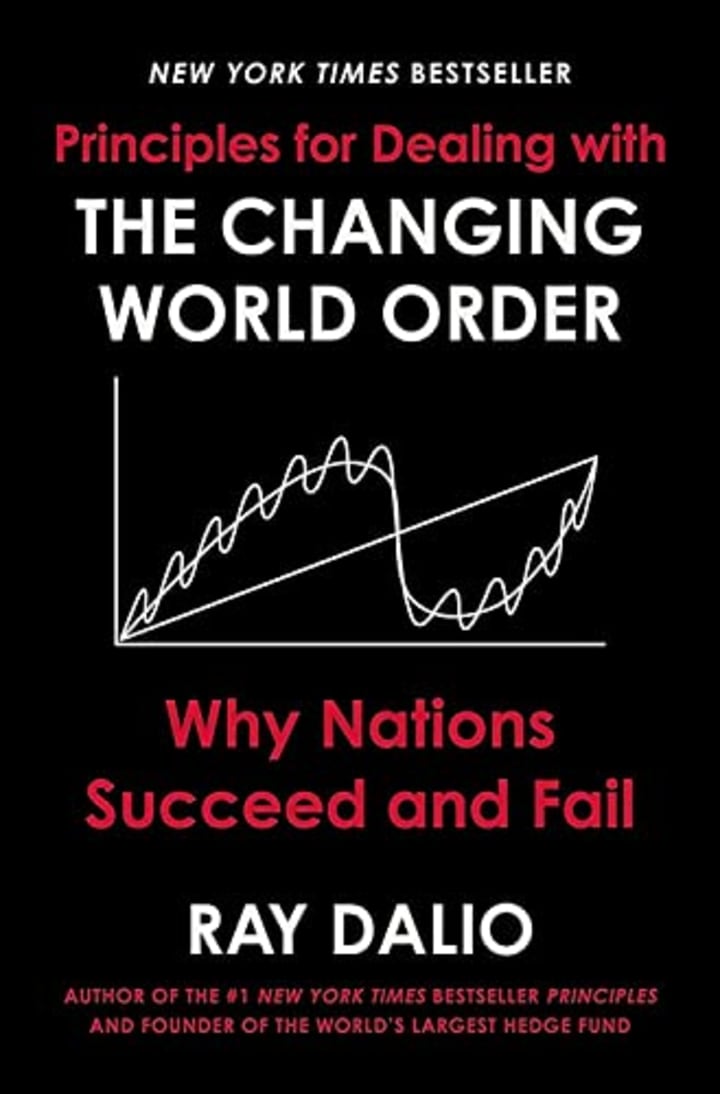
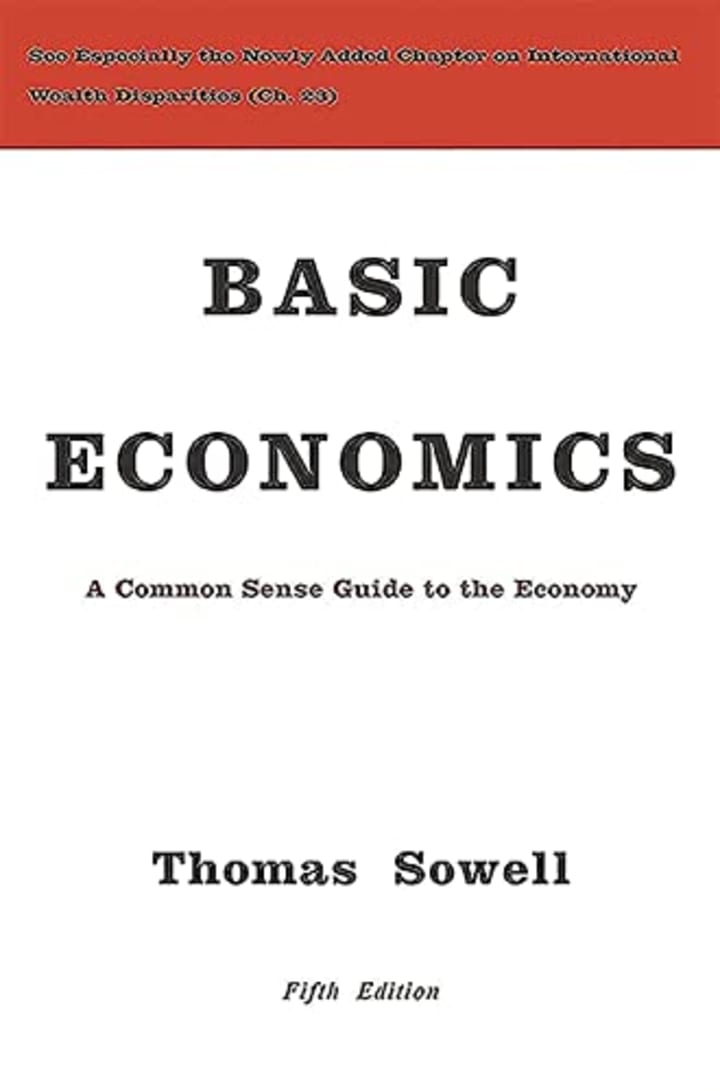
"Basic Economics" by Thomas Sowell is a comprehensive and accessible guide that provides readers with a solid understanding of how the economy functions, without the use of jargon or complex equations. Aimed at individuals who are interested in comprehending the economic landscape but have no prior knowledge of the subject, Sowell breaks down the general principles underlying various economic systems, such as capitalism, socialism, and feudalism.
In clear and readable language, Sowell teaches readers how to evaluate economic policies based on the incentives they create, rather than the goals they claim to achieve. By focusing on incentives, he enables readers to develop a critical perspective on economic policies and their potential consequences.
Covering a wide range of economic topics, including rent control, business cycles, and international trade, Sowell's book offers a comprehensive overview of the field. Readers gain insights into the dynamics of the economy, its mechanisms, and the factors that drive its functioning.
The fifth edition of "Basic Economics" includes a new chapter that addresses the significant differences in wealth and income between nations. By exploring this topic, Sowell expands readers' understanding of the complexities and variations within global economies.
To illustrate economic principles in action, Sowell draws on real-world examples from various countries and throughout history. By using relatable and engaging instances, he ensures that readers can grasp the concepts with ease and apply them to their own understanding of the economy.
Overall, "Basic Economics" serves as a valuable resource for individuals who seek a foundational knowledge of economics. Through plain English explanations and relevant examples, Sowell demystifies the subject, making it accessible and engaging for the general public. Whether readers are interested in personal finance, public policy, or simply understanding how the economy affects their daily lives, this book provides them with the necessary tools to navigate the economic landscape with confidence.
Click here to buy "Basic Economics"
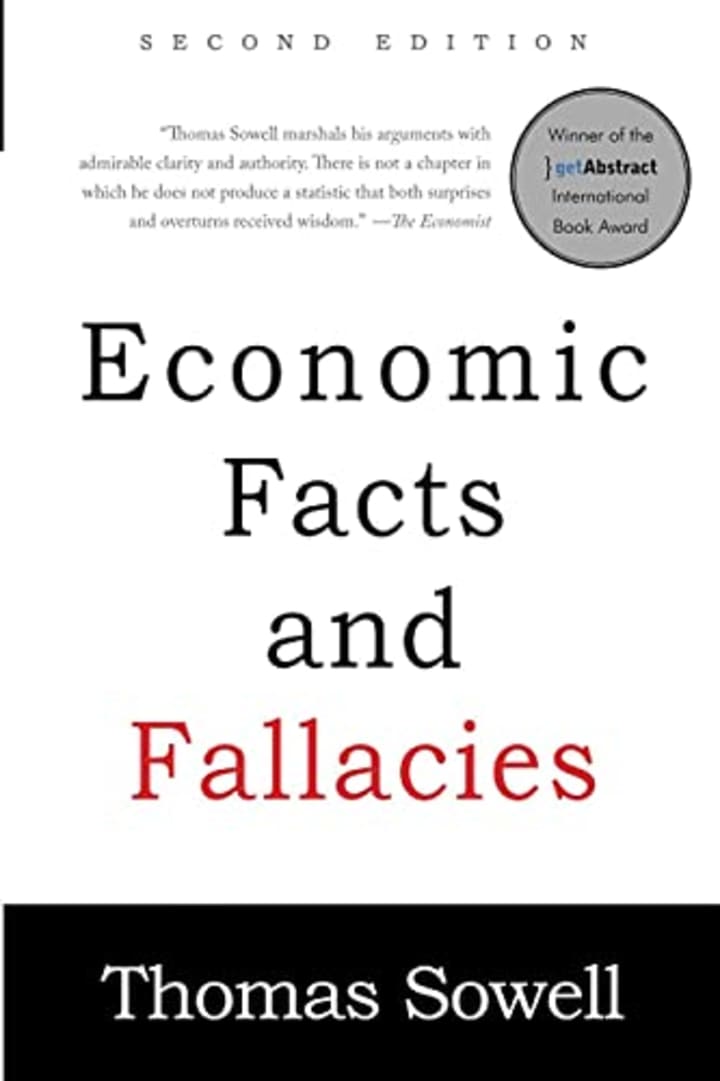
"Economic Facts and Fallacies, 2nd edition" provides readers with an engaging and insightful exploration of prevalent economic fallacies and misconceptions. Written by Thomas Sowell, this book challenges commonly held beliefs disseminated by the media and politicians, exposing the flaws in popular ideas about various economic issues.
Sowell covers a wide range of topics, including urban problems, income differences, male-female economic differences, academia, race, and Third World countries. By debunking these fallacies, he highlights the importance of careful examination and critical thinking when it comes to understanding economic issues. Sowell emphasizes that fallacies often have a certain plausibility, which contributes to their persistence in public discourse. By dissecting these fallacies, the book not only offers valuable insights but also injects a touch of humor into the examination of flawed economic thinking.
Written in a style that is accessible to readers without prior knowledge of economics, "Economic Facts and Fallacies" complements Sowell's earlier work, "Basic Economics," by delving deeper into specific issues with real-world examples. The book not only exposes fallacies but also provides a more comprehensive analysis of these topics, allowing readers to gain a more nuanced understanding of the complexities involved.
By challenging commonly held beliefs and providing evidence-based arguments, Sowell empowers readers to question prevailing narratives and approach economic issues with a critical eye. Through this exploration of economic fallacies, readers gain a deeper understanding of the subject and are better equipped to discern fact from fiction in economic discussions.
With its lively and engaging style, "Economic Facts and Fallacies" makes economics more accessible and intriguing for readers. It encourages intellectual curiosity and reinforces the importance of careful examination and analysis when it comes to understanding economic phenomena.
Click her to buy "Economic Facts and Fallacies, 2nd edition"
Audible's Plus 30-Day Free Trial offers a compelling opportunity to access essential economic literature in an easily digestible and convenient format. With engaging narration and the ability to multitask while listening, you can efficiently absorb knowledge about the economy. The trial provides a diverse range of perspectives, allowing for a comprehensive understanding of economic principles. With flexible access across multiple devices, Audible ensures convenience and accessibility. Embrace this trial period to unlock economic insights and navigate the economic maze effectively.
Click here to try Audible Plus 30-day free trial!
This article is a participant in the Amazon services LLC Associates program.
About the Creator
Nathan Dryden
Unleash your boundless potential, embrace new challenges fearlessly, and strive for limitless success. Dare to explore uncharted territories and unlock the key to maximizing your wealth and achievements.
Keep reading
More stories from Nathan Dryden and writers in Education and other communities.
Unlocking Social Media Success: A Comprehensive Review of Three Must-Read Marketing Books
Social media has revolutionized the way businesses connect with their target audiences, allowing them to reach and engage with millions of users worldwide. In this era of digital marketing, understanding the intricacies of social media platforms and implementing effective strategies is crucial for any business seeking online success. To navigate this dynamic landscape, there are three must-read marketing books that provide comprehensive insights and practical advice: "500 Social Media Marketing Tips: Essential Advice, Hints and Strategy for Business: Facebook, Twitter, Instagram, Pinterest, LinkedIn, YouTube, Snapchat, and More!," "Social Media Marketing Bible: [12 in 1] The Ultimate Guide to Advanced Social Media Engagement and Profitability," and "Social Media Marketing For Beginners: Your Roadmap to Online Success: Proven Tactics For Social Media Mastery. Facebook, Instagram, YouTube, TikTok, LinkedIn, Reddit, and Pinterest Marketing Strategies."
By Nathan Dryden3 years ago in Education
Digital Recruiting Unleashed: Finding Top Tech Talent in Today’s Market
The tech industry has grown fast, changing the way companies find and hire talent. Today, the tech talent hunt is not just about reading resumes or posting job ads. It is about using digital tools, data, and modern strategies to connect with the right people. Recruiters must now understand how to find skilled workers in a crowded digital space. The world of hiring has moved online, and companies must keep up.
By Aaron Khieu5 days ago in Education



Comments
There are no comments for this story
Be the first to respond and start the conversation.